
The Jaap Durand Chair at the University of the Western Cape (UWC) has published Indigeneity, Slavery, and Nation, a compelling new collection of essays that addresses some of the most urgent and contested questions facing South Africa today: Who belongs? How do we reckon with historical injustice? What histories have been forgotten or suppressed? What forms of recognition, memory, and justice are necessary to build a more inclusive future?
Leading scholars
The volume emerges from the inaugural seminar of the Jaap Durand Chair in December 2025 and brings together leading scholars, public intellectuals, theologians, historians, philosophers, linguists, and cultural commentators in a wide-ranging multidisciplinary conversation on identity, memory, slavery, indigeneity, language, citizenship, and nationhood.
Together, the contributors examine how centuries of colonial conquest, dispossession, enslavement, migration, resistance, and cultural exchange continue to shape South African society and the ways in which its people understand themselves. Named in honour of Professor Jaap Durand, who served as Professor of Systematic Theology and Vice-Rector of UWC between 1973 and 1994, the Chair seeks to promote critical public engagement on questions of democracy, justice, belonging, and social transformation. This publication reflects that mission by creating a space for rigorous debate about the historical foundations of contemporary South Africa.
A central theme running throughout the collection is the concept of restorative memory. Several contributors argue that meaningful social justice requires more than policy reform; it demands a deeper engagement with historical truth and with the experiences of communities whose contributions have been marginalised or erased. Patric Tariq Mellet, author of the best-selling The Lie of 1652: A Decolonised History of Land and The Truth of Cape Slavery, contributes an essay on “restorative memory and restorative justice”.
The essays also interrogate the construction of racial and ethnic identities, revisit debates about non-racialism, and explore the tensions between particular claims to indigeneity and broader, more inclusive understandings of belonging. Prof Ciraj Rassool writes on race, ethnicity, and the politics of non-racialism; Dr Willa Boezak writes on Khoi-San indigeneity; and Dr Ndumiso Dladla writes on the “Azanian Philosophical Tradition”. Canon Rev. Michael Weeder explores the place of slavery in national identity, while Tessa Dooms writes on Coloured identity and reclaiming the power to name oneself.
Contemporary debates
Beyond revisiting the histories of indigenous peoples and enslaved communities, the volume also explores the continuing significance of these histories in contemporary debates about identity and land, and examines the ways in which memory functions as a political and ethical practice. Ds Riaan de Villiers offers an insightful perspective on the Groote Kerk as a site of memory and restoration, while Dr Theuns Eloff offers “a balanced perspective of the past, the present, and the future”. Other contributions focus on language and culture, including the recovery of Kaaps as a historically rich linguistic tradition and the significance of African-language poetic traditions as forms of public knowledge and democratic expression. Mogamat Kamedien and Prof Quentin Williams write in separate chapters on aspects of Afrikaans language movements and the Kaaps dictionary project. In “Critical Poetic Traditions in African Languages”, Prof Siseko H. Kumalo writes on ukuhaya inkondlo, a form of public performance poetry in African languages.
While writing from different disciplinary and political perspectives, these writers share a concern with the unfinished consequences of colonialism, slavery, and apartheid, and with the need to recover histories and voices that have often been excluded from dominant narratives.
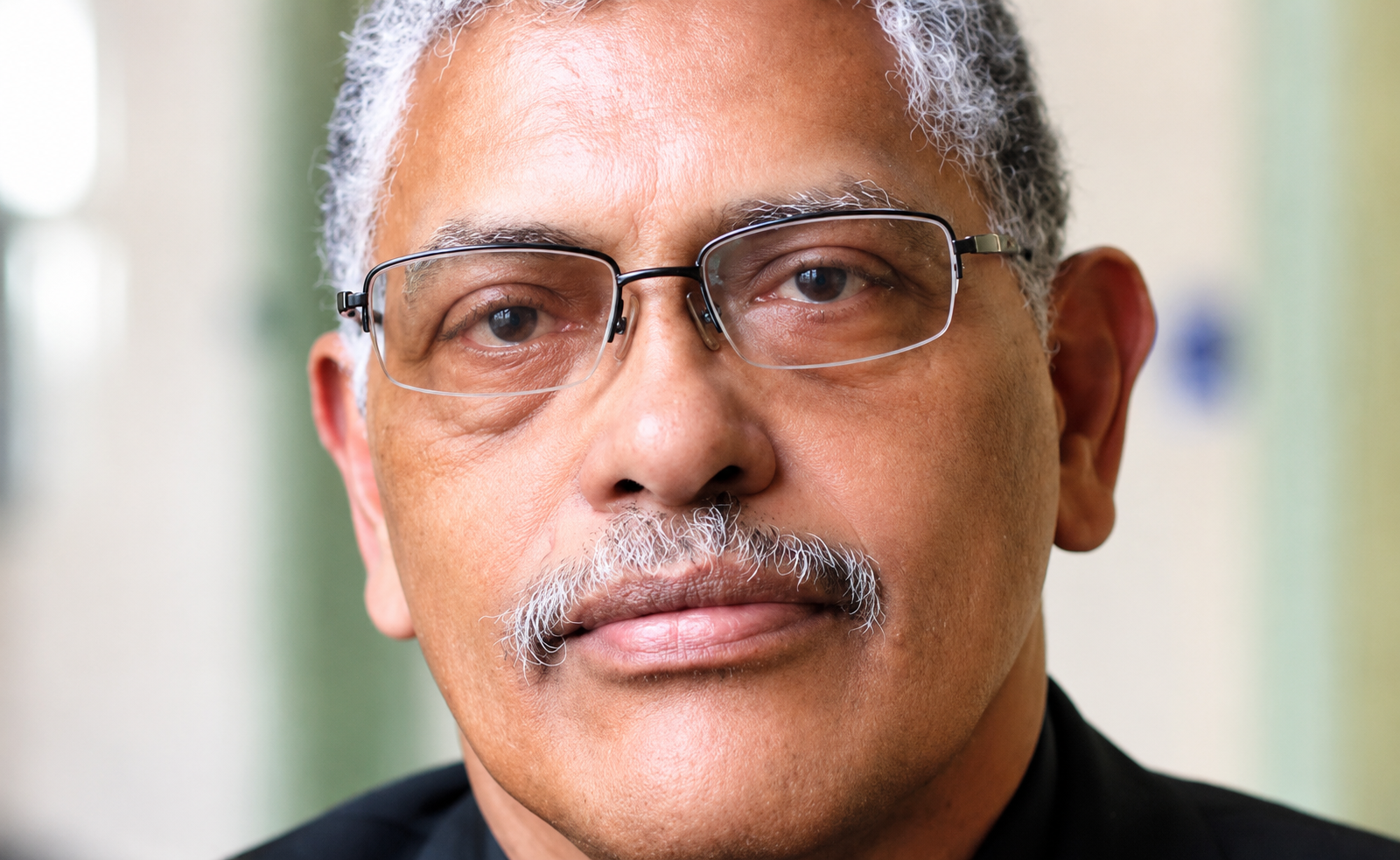
According to Willemse, inaugural holder of the Jaap Durand Chair, the collection seeks to stimulate informed public conversation about South Africa’s past, present, and future. “The book invites readers to think critically about how our histories shape contemporary realities and how a more just, democratic, and inclusive society might be imagined and realised,” he says.
ALSO READ: Doctor writes about the stories he heard while traveling by taxi