
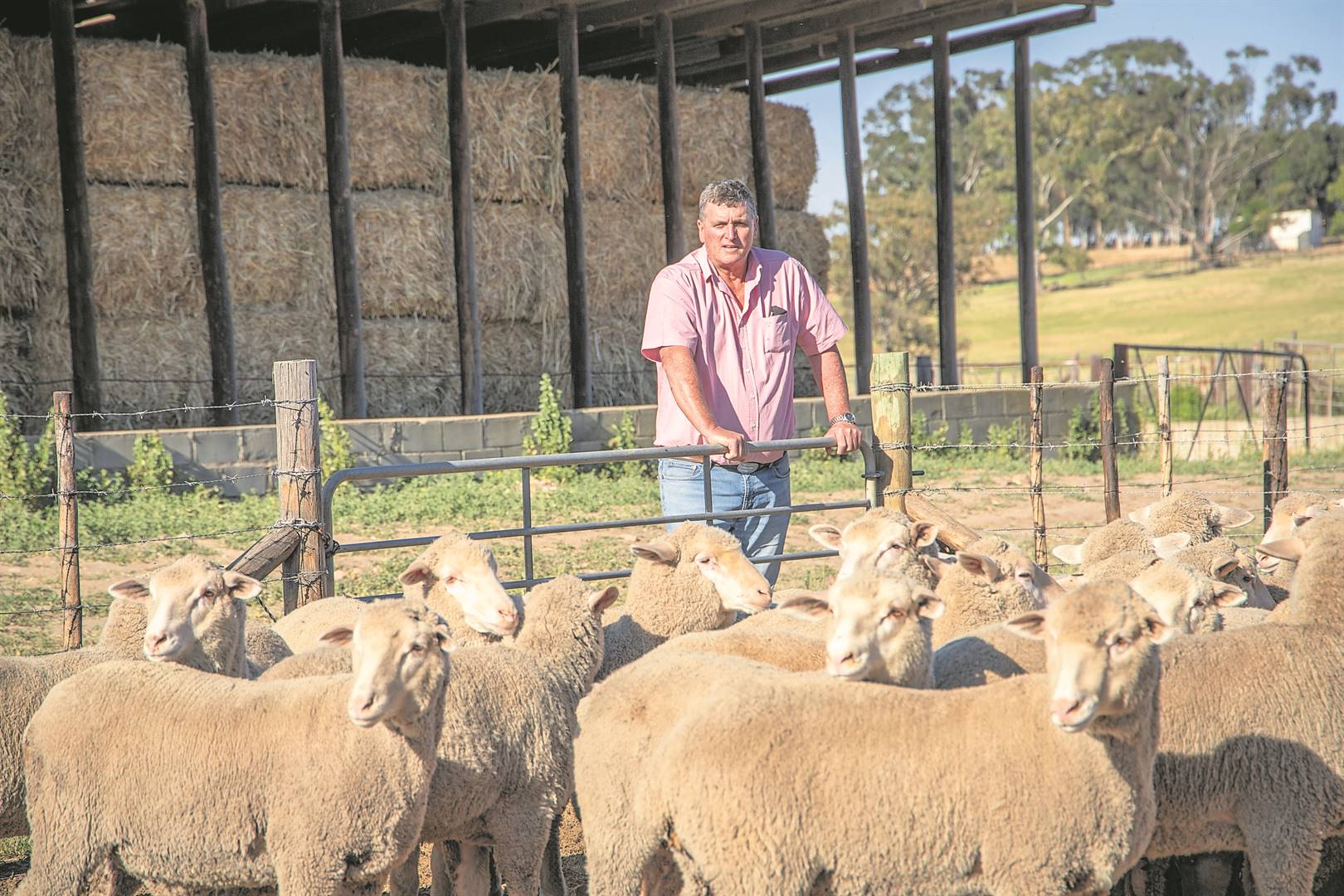
“An airport that serves the world means very little if it no longer serves the people who call this place home,” said André Brink, fourth-generation owner of Groot Phesantekraal Wine Estate in Durbanville Wine Valley and SA Farmer of the Year last year.
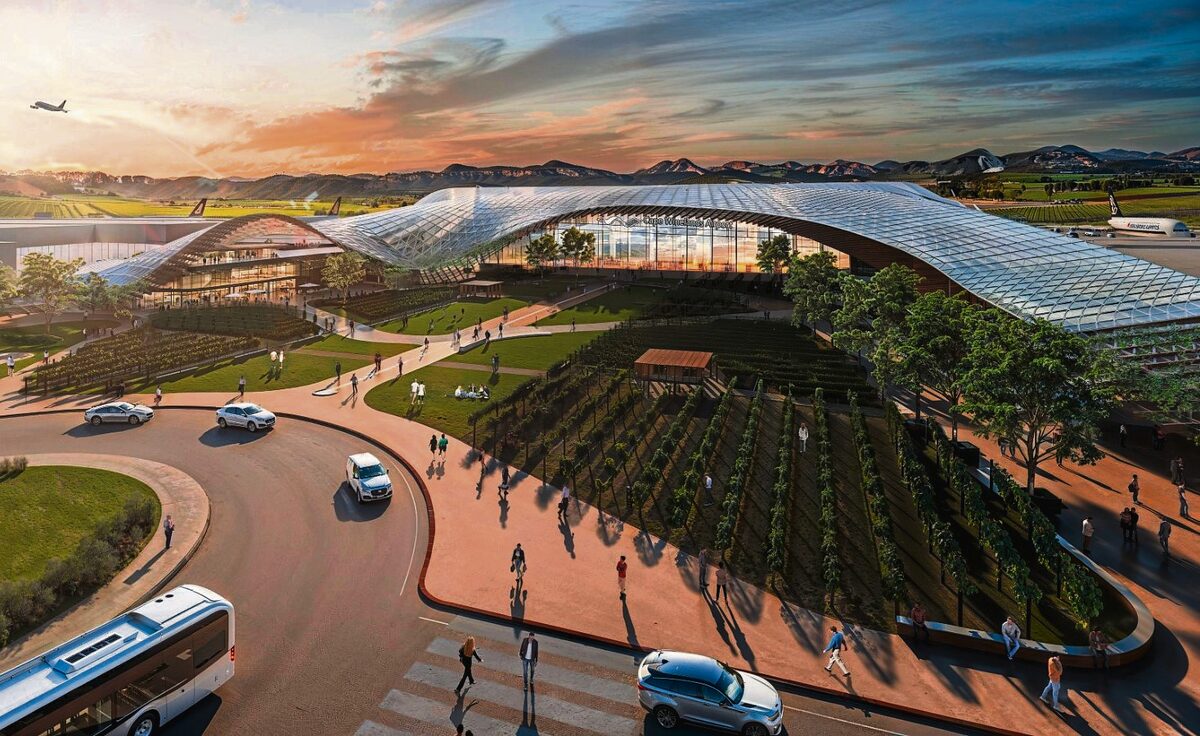
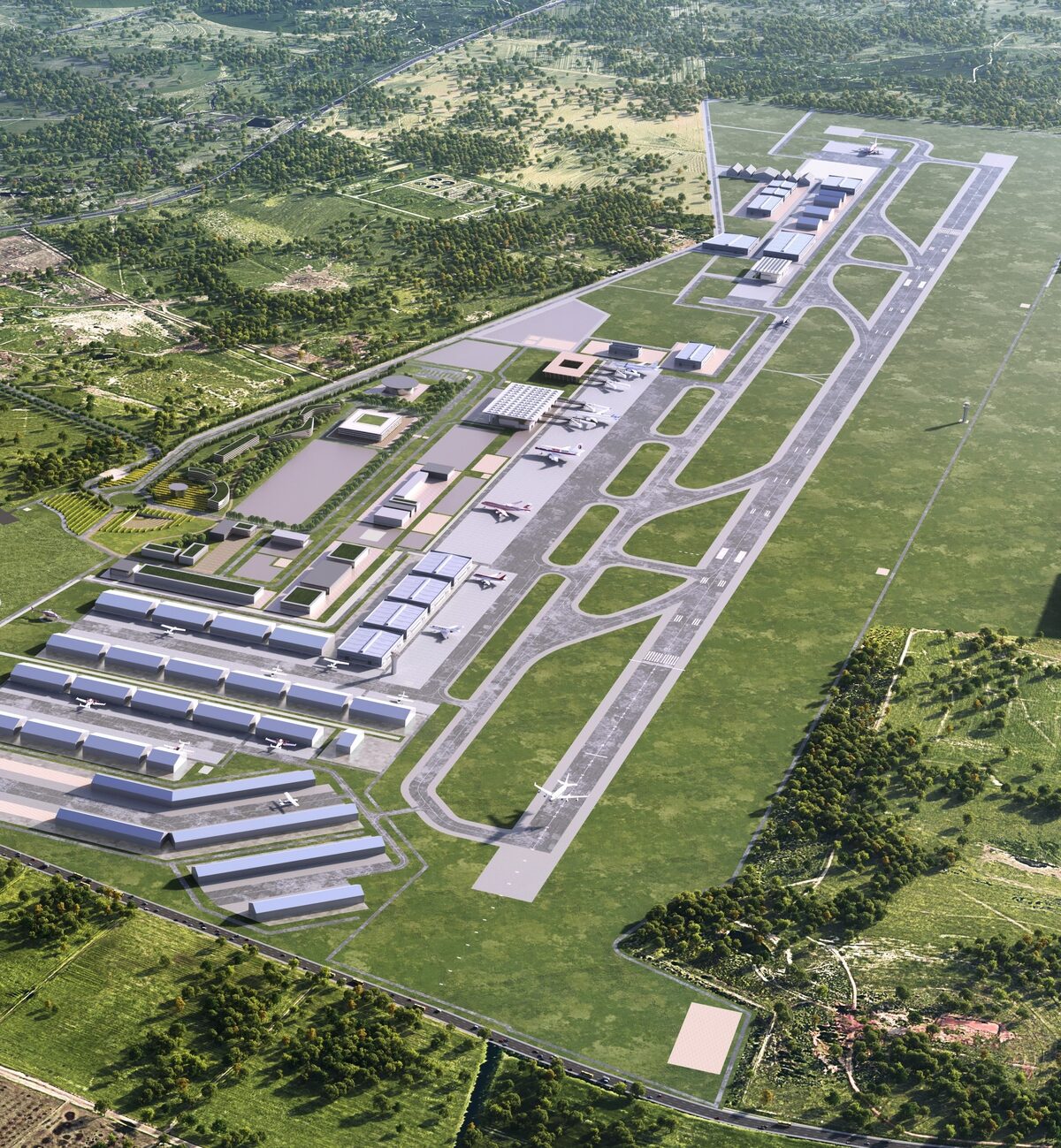
Brink questioned whether an airport of the scale of Cape Winelands Airport is being built on the right place.
Brink, who was named South Africa’s Farmer of the Year 2024 by Agricultural Writers SA (AWSA), was one of the speakers at a Tygerberg Chapter of Cape Chamber of Commerce and Industry meeting about the Cape Winelands Airport held last Thursday at Stadio Higher Education.
Finding balance
He spoke about the importance of finding a balance between development and preserving Durbanville’s unique character, history and agricultural heritage.
Other speakers were Deon Cloete, executive managing director of Cape Winelands Aero and executive director of RSA Aero Limited, and Jeremy Wiley of Western Cape Property Development Forum and director of De Goede Hoop Development Company.
Second runway
“Years ago, Cape Town International Airport reportedly received an offer from an international airline to build a second runway at no cost, but the offer was declined. I often wonder what the reason for that decision was.
“One of the main arguments in support of this airport application was that it would serve as an alternative airport if aircraft were unable to land at Cape Town International. However, if diversions are caused by adverse weather — as happened just a month ago, and which accounts for more than 80% of such incidents, then a distance of only 25 kilometres is simply not far enough away to provide a alternative.
“Cape Town already struggles to accommodate its growing population, yet it continues to become increasingly popular. Now we are planning to bring even more people here.
“A 3.5km runway is being built — long enough to accommodate an Airbus A380 — only 35 kilometres drive from Cape Town International Airport,” he said.
Closer to Saldanha
“Would it not have made more sense to build an airport of this scale closer to Saldanha and, in doing so, relieve the pressure on Cape Town? That region has struggled economically for the past fifty years.
“Such a development could ease the population pressure on Cape Town while spreading employment opportunities to an area that desperately needs them.
“The individuals and organisations who objected to the airport proposal were, in my opinion, steamrolled up to the appeal process, which itself was concluded in record time.
“Certain initiatives are supported and driven by politicians whose priorities are not always aligned with the best interests of the people who actually live here, and I believe this is one example of that.
“Politicians come and go, but those of us who live here must continue living with the consequences of their decisions. But that is, of course, only my personal opinion,” he said.
“There has been an airfield here since the Second World War, and we have lived alongside it for many years. Development is inevitable, and we must adapt to it. However, I question whether an airport of this scale is being built on the right location.
“Yes, upgrade the existing airfield into a fully operational airport for smaller aircraft, with a headquarters from which companies such as ExecuJet could operate,” he said.
Hourglass running out
“I have always known that the hourglass was slowly running out for this way of life. How quickly the sand runs out depends on how responsibly development is managed. Will Durbanville shape its own future, or will others decide that future on our behalf?
“The airport is coming, and I would like to congratulate Deon Cloete and his team on the process they followed to meet all the requirements necessary to obtain approval. However, I also want to appeal to him and his team to remain true to the commitments they have made.
“It is easy to make promises in order to secure approvals, only to later say, ‘We’re sorry, but circumstances have changed.’
“I believe that with the arrival of the airport, the hole in the hourglass has become much larger, and the time we once thought we had has become very limited,” he said.
Productive agricultural region
“Durbanville is not simply a place on a map. It is a community where family farms have been passed down from generation to generation. Well-known families such as the Louws, the Loubsers, and the Blanckenbergs are now in their fifth and sixth generations.
“It is a productive agricultural region with a rich heritage that feeds families, creates employment, and sustains communities. Durbanville is unlike any other suburb.
“Great communities are not built by chance. They are built by people who, at the right moment in history, have the courage to make significant decisions and the wisdom to do so on their own terms.
“We have never needed to boast of our wines, our landscapes, or our way of life. Those who have discovered Durbanville have recognised its value for themselves.
“Let us build the future without burying the past. Let us grow, but let us grow on our own terms.
“Let us embrace this opportunity with both hands, while showing the same determination to protect the very qualities that make this opportunity worthwhile in the first place. I sincerely believe that Durbanville’s best days still lie ahead.
“But that future will not simply fall from the sky. It will be built upon the values, the people, and the heritage that have always made this place so special.
“It will be shaped by the people in this room, if we are willing to step forward.
“The runway is being built, but the most important question is not: Where will the aircraft be flying to? The most important question is: Where is Durbanville heading to?
“The future of Durbanville will not be determined by an airport — it will be determined by its people who are willing to stand up for what matters. The answer lies in our hands,” he said.
LEES OOK: Brink nou ook SA Boer van die Jaar