

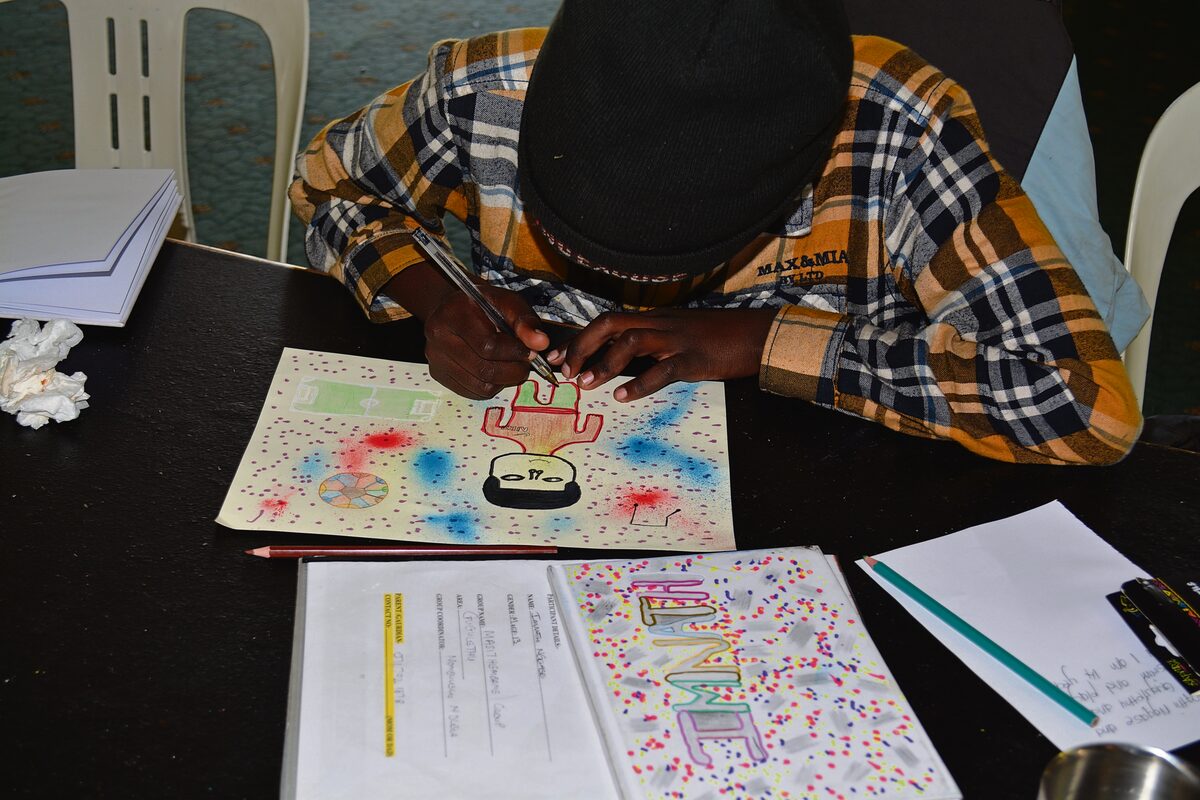
An exhibition selected and arranged by 25 children aims to give them “agency”.
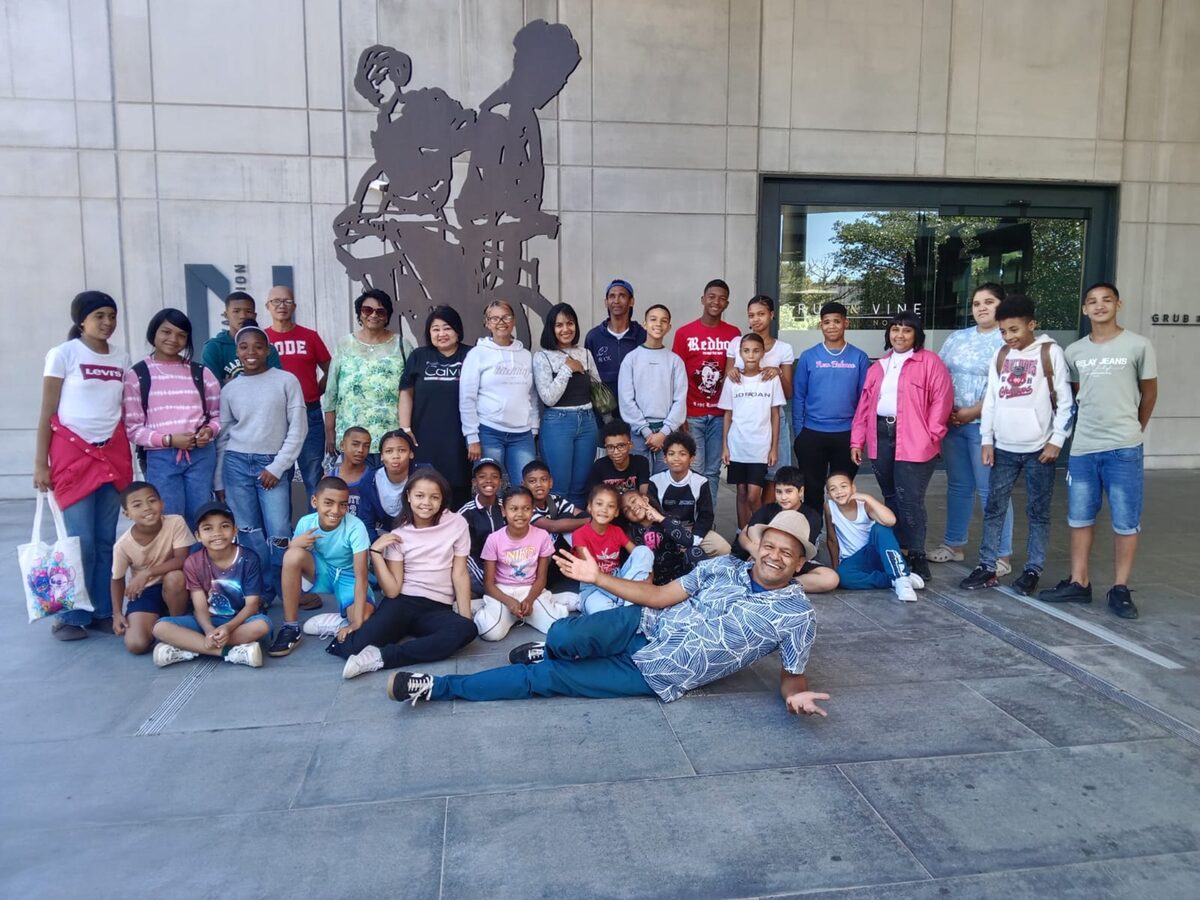
The exhibit, Young Voices, Big Visions, by the members of the Children’s Movement between the ages of 12 and 16, which is based in Mitchells Plain but active all over the Cape Flats, is on display at the Museum of Childhood until 20 August.
Monica Eileen Patterson, a professor at Carleton University in Ottawa, Canada, who is part of an international research project called “Thinking Through the Museum”, facilitated the project with five of her graduate students.
She said the Children’s Movement, which has been active in children’s development since the early 1980s, was ahead of its time in giving children “agency”.
“This organisation has recognised children as important members of society and as agents of change, and the work that they’ve been doing was so ahead of its time. This is something that we are just coming to recognise now across the world, the agency of children. And you were doing it here in South Africa a good 40-plus years ago,” Patterson said.
Exhibition
Young members of the movement came up with the exhibition’s title, wrote a short introduction explaining what it is about, and decided what to include and how to display it, Patterson said. All of this was done at a five-day curators’ camp outside Atlantis.
The activities and workshops covered the history of the Children’s Movement, what an exhibition is and what it means to select and arrange items to tell a story or share a message. During the camp, the children shared stories and memories, made maps of their communities and produced artistic work.
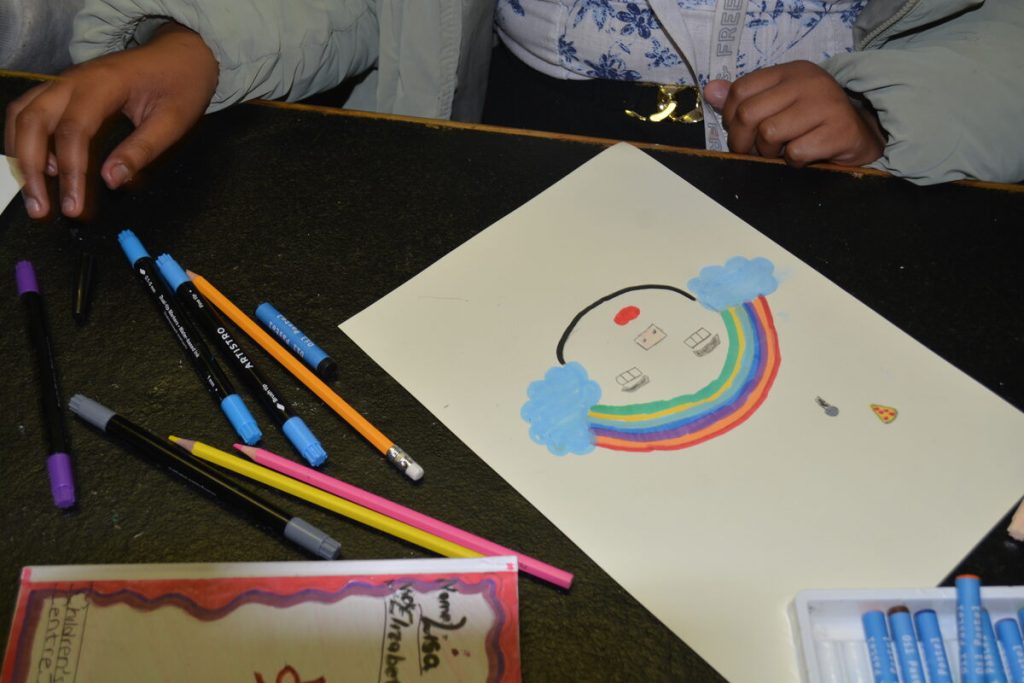
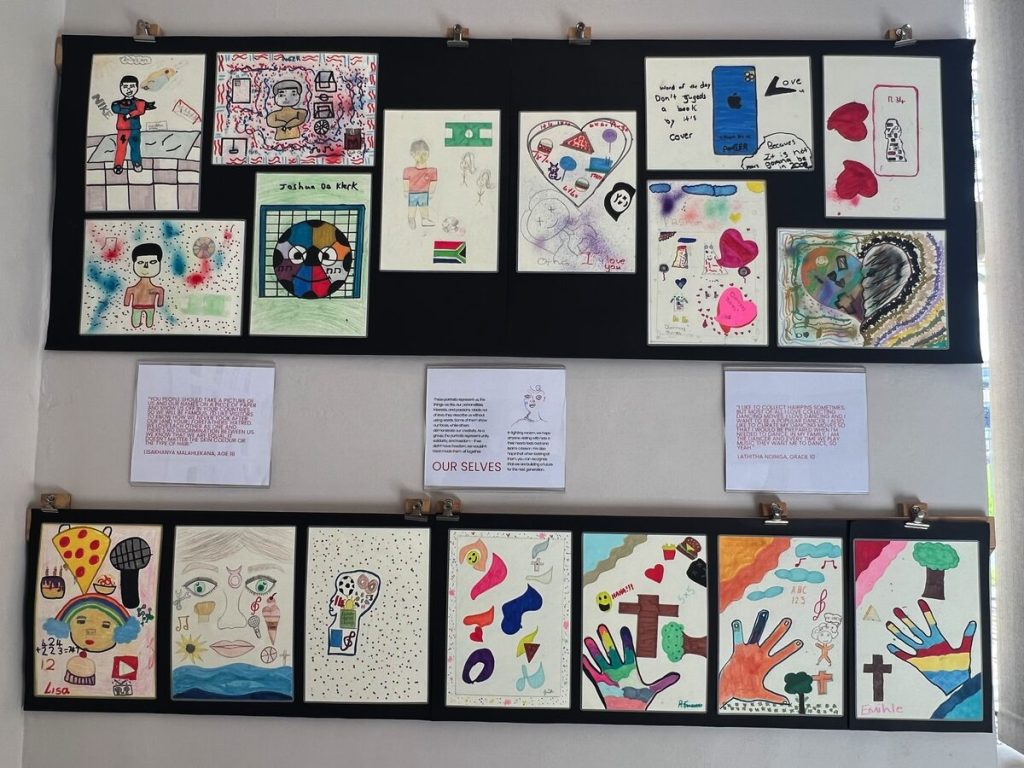
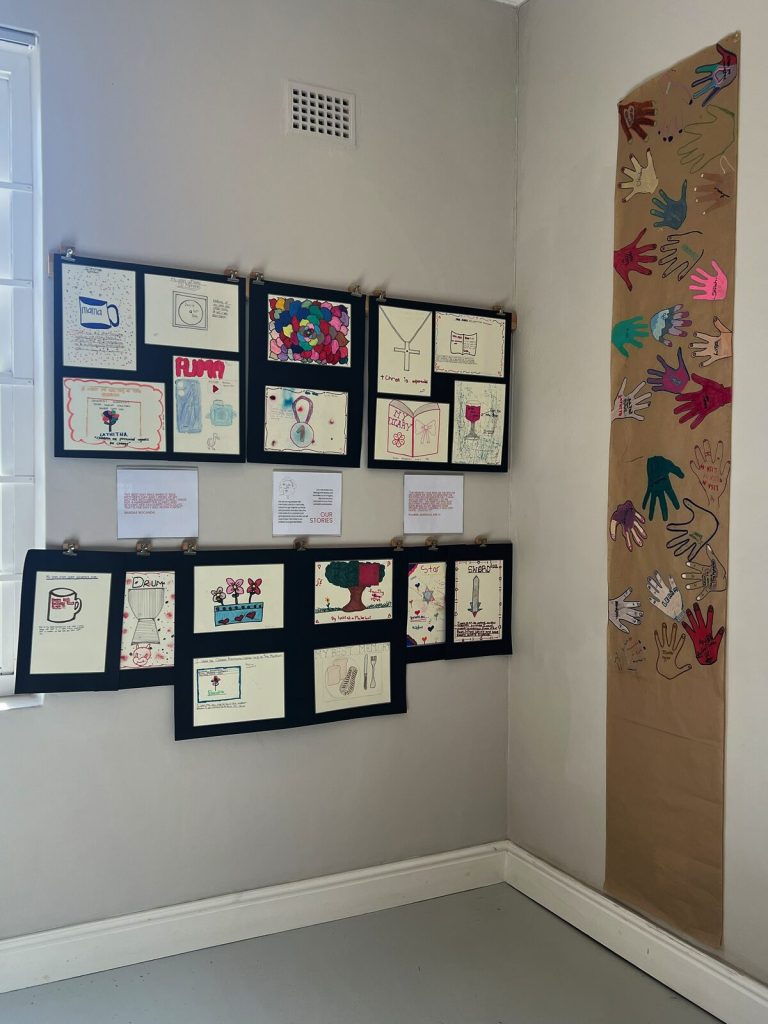
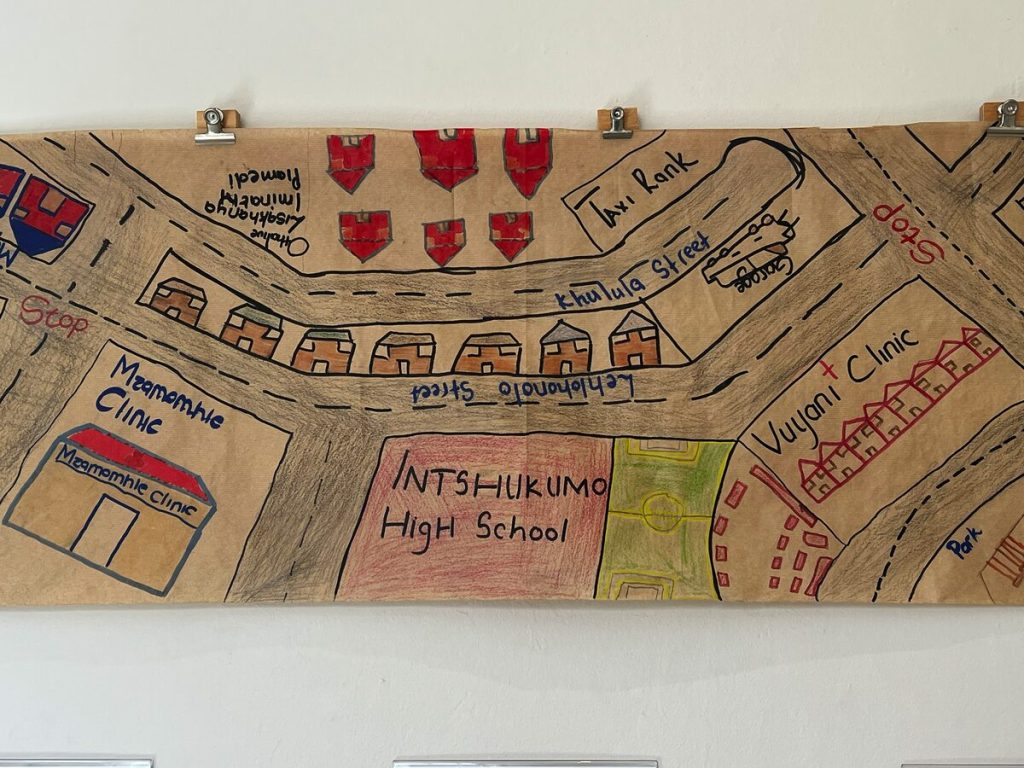
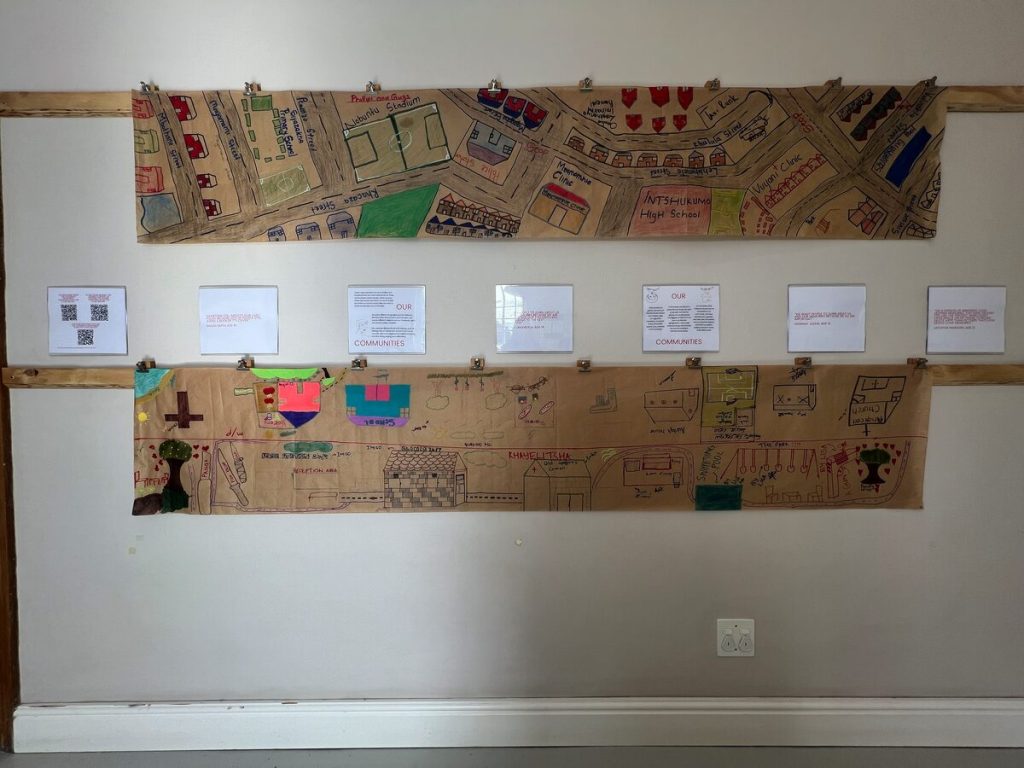
Children selected and arranged the exhibits
Patterson has a PhD in anthropology and history and also works as a curator. Thinking Through the Museum involves researchers and museum workers from around the world but mainly Canada.
She said many museums began during colonial times and still reflect those roots. In her view, museums grew out of inequality and oppression but could help society work through ongoing problems such as climate change, racism and inequality.
Patterson said museums often still highlight the stories of European men and white people, while children have largely been left out of exhibitions.
“Children are knowledge holders. A lot of people don’t recognise that they are, but they have a lot of knowledge. Their perspectives I think are really important, and I think they’re also really good at curating. Children are actually curating things all the time. They often are arranging their belongings in careful and thoughtful ways,” Patterson said.
The project was an experiment to see what would happen when children were taught curation and given the opportunity to share what they wanted with the world.
Patterson said the children were engaged, brought energy to the process and took it seriously. “We covered painful topics. The problems of gangsterism came up quite a bit in our discussions but right alongside that were really beautiful moments of joking and teaching each other to sew, helping each other braid our hair,” Patterson said.
She said she was moved by the resilience, bravery and thoughtfulness they showed.
“There’s also a tendency to see them either as these perfect, romantic, innocent beings who just play and are happy all the time and then on the other side, for people who are aware of and perhaps trying to address the problems facing some children, you have a lot of important activism and research on things like children in poverty, sexual abuse, things like that. But that work, which is very important, often tends to just focus on the negative. So this was an attempt to engage with these young people on their own terms as much as possible and to recognise all the facets of their lives,” Patterson said. After the camp, a week-long conference was held with about 30 scholars and museum practitioners from around the world. Patterson said the attendees visited and viewed the exhibition and were impressed by it.
Free exhibition
The Museum of Childhood, which has several exhibits, including regular displays of children’s artwork and photographs, is free to visit.
“The Museum of Childhood has been an incredible partner. They opened their museum and allowed us to install the young curators’ exhibit in one of their gallery spaces. I want to give thanks to them, to their openness to collaborate, and also for really being an incredible institution here in Cape Town,” Patterson said.
Of the project, Josephine de Klerk of the Children’s Movement, said: “The training of child curators that has started will continue as a project within our Children’s Movement. Our members will organise exhibitions based on their learning and experiences in their respective Children’s Groups and broader communities, as well as in the Children’s Movement as a collective.”
The project’s continuation would allow Children’s Movement members to organise exhibitions based on their learning and experiences in their children’s groups, broader communities and the movement as a whole, said De Klerk.
ALSO READ: TikTok video sends hotbag sales soaring for Cape nonprofit


You must be logged in to post a comment.