
From addiction to recovery, lived experience to leadership, and from being part of the problem to becoming part of the solution.
This encapsulates the powerful story of Denver Dreyer, a community leader in the drug-ravaged suburb of Kraaifontein in Cape Town. Dreyer knows firsthand the hellish journey back from drug addiction.
“We do recover,” he says. “And recovery can become a foundation for service.”
Speaking about his former addiction, Dreyer says he does not speak about addiction from a textbook, but rather from his own experience.
“For 10 years, I was caught in addiction. I know what it was like to be part of the problem, to feed a drug trade that was destroying lives, families and communities,” he says.
Dreyer, now aged 51, was 31 when he was first introduced to drugs by friends. “Going to visit one holiday, I got to their house where they were sitting smoking a tik lolly.”
“That is how it all started. I worked overseas in Doha for Qatar Airways for three years, and was back and forth to Cape Town as my drug abuse escalated. I eventually lost my job with the airline due to the addiction and came back to Cape Town with nothing to my name. I went on a binge and ended up on the streets. I lost everything.”
By this time he was addicted to tik, Mandrax and heroin, and mostly lived on the streets of Bellville. His recovery journey started in 2014, but not before paying a hefty price.
“I was in jail 34 times for petty crimes to feed my habit, and later in 2019, I was diagnosed with kidney failure brought on by years of drug abuse. After six years on dialysis, I underwent a kidney transplant.”
Breaking the cycle
“Drug addiction is not simply a social problem. It affects families, relationships and entire communities,” he says.
“My journey towards recovery began before I ever attended a support group myself. Two years before I came into recovery, my own mother attended a support group. There she was equipped with knowledge, encouragement and practical tools that helped her put things in place within our family. That support ultimately played an important role in helping me break free from addiction.”
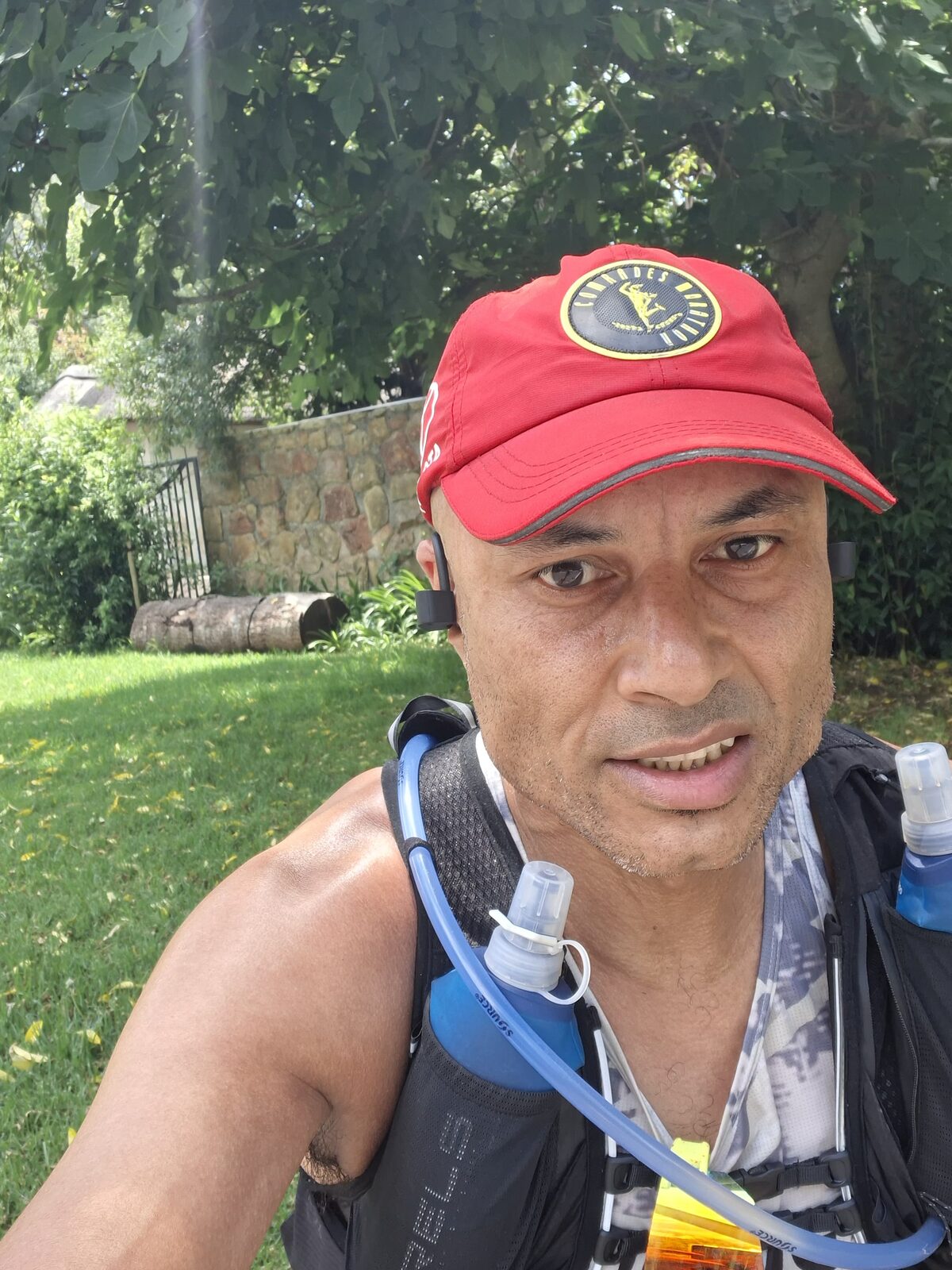
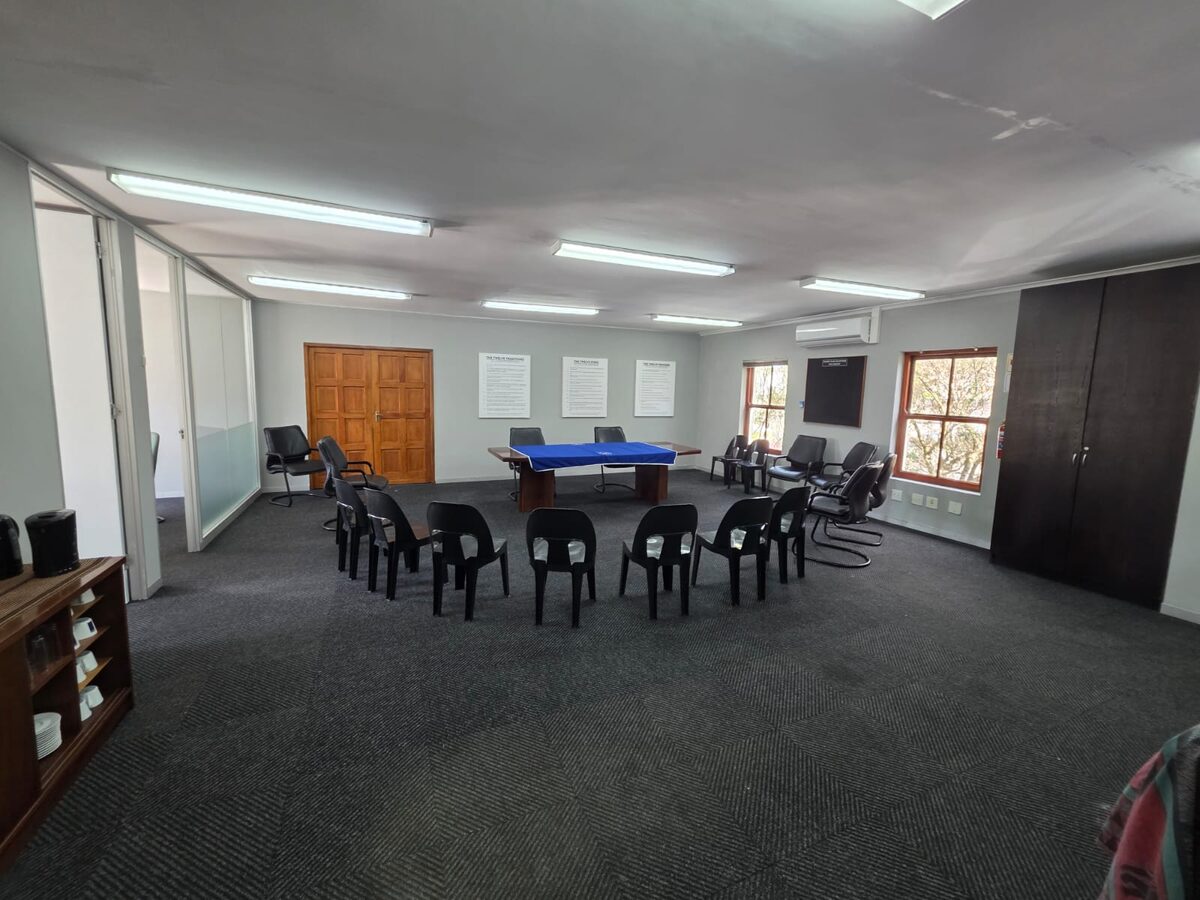
Today, he has been involved as mentor and life coach in the Eikendal Support Group in Kraaifontein for 12 years. The group has been running for 14 years. They faithfully meet every Wednesday at 19:00, offering encouragement and support to people and families affected by addiction.
“Our message is simple that there is help, and recovery is possible,” he says. “Many young men in our communities are caught up in drugs and gangsterism. Breaking this cycle requires more than simply telling someone to stop using drugs.
“People need support, families need to be equipped, and those struggling with addiction need opportunities to develop new habits and build a life of sobriety. Our support group connects people who require deeper intervention with rehabilitation and treatment programmes, including Hesketh King Treatment Centre, Hangberg Dreams in Hout Bay and other organisations within the recovery community.”
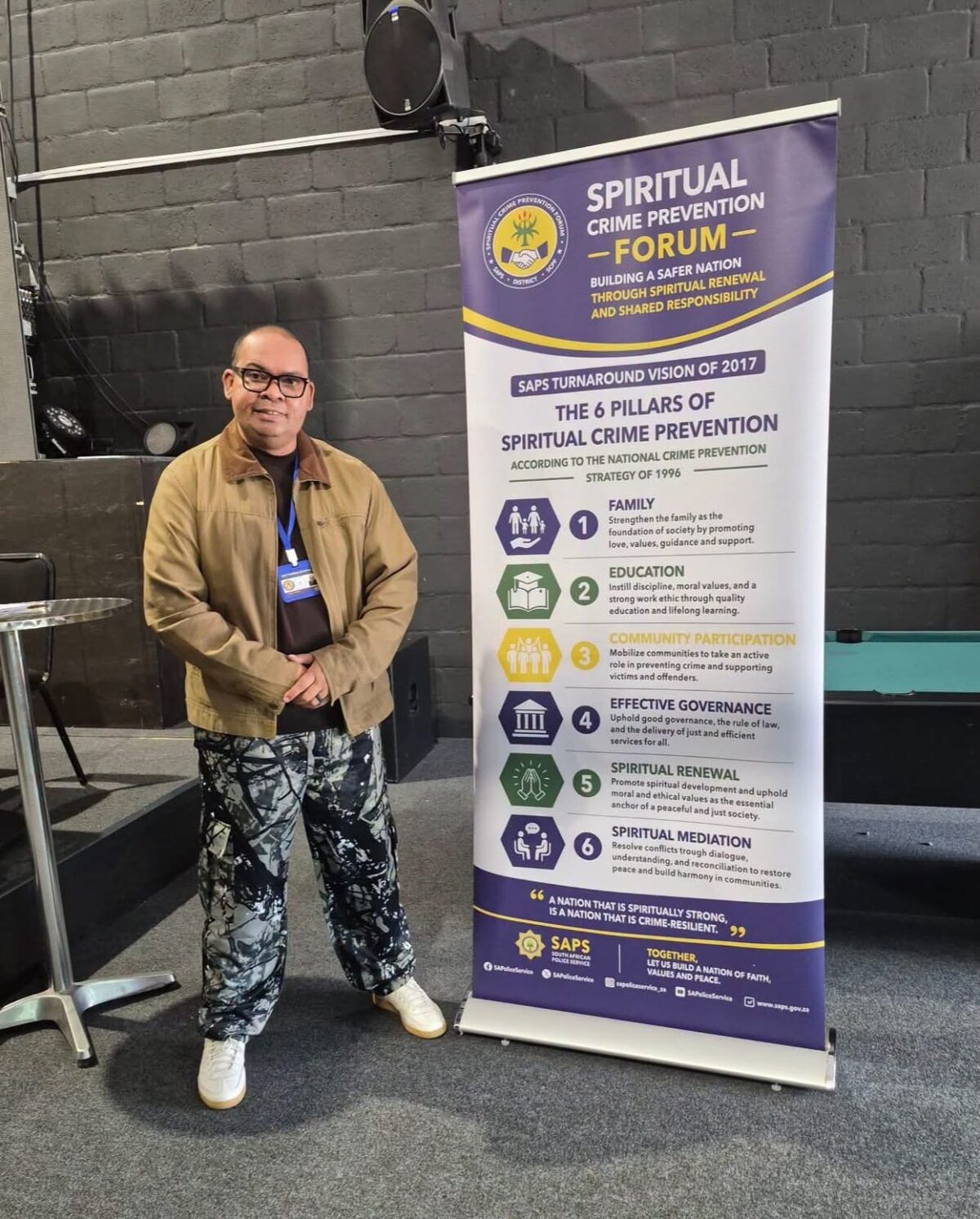
Dreyer’s community involvement extends beyond addiction recovery as he serves as vice chairman of the Kraaifontein Spiritual Crime Prevention Forum and as one of the coordinators of the Kraaifontein Prayer Walk Network. These are community-based outreach initiatives that seek to address social challenges affecting Kraaifontein communities, including gender-based violence, gangsterism, substance abuse and the struggles faced by teenagers and young people.
Government can strengthen the recovery network
Dryer feels strongly that government and authorities can do more by partnering with organisations already working within the recovery community.
“They should strengthen resources for community-based recovery programmes, support reputable rehabilitation centres through appropriate subsidies, and simplify access to treatment. Too many people struggling with addiction face lengthy and complicated processes before they can access rehabilitation. We need a system where help is accessible when people are ready to receive it,” he says.
“Recovery also does not end when someone leaves rehabilitation. People need ongoing support, positive relationships, skills development and meaningful opportunities to rebuild their lives. The fight against drugs, gangsterism and other social ills will not be won overnight. But when government, communities, families, churches and recovery organisations work together, we can begin breaking the cycle, one person, one family and one community at a time.
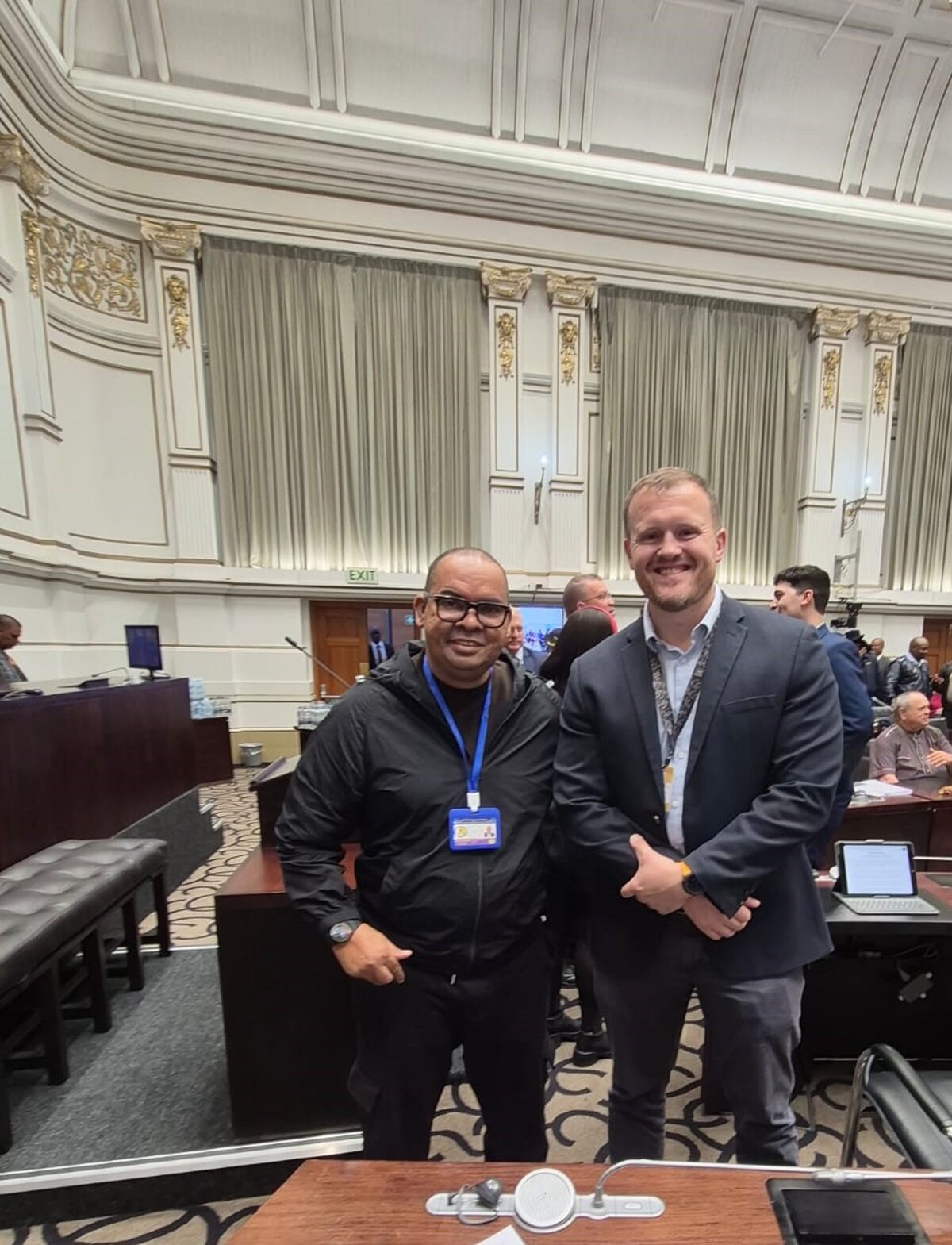
“Recovery taught me things no classroom could, the importance of dignity, the power of second chances, the consequences of policy on real people, and the difference between talking about a problem and actually doing something about it. I’ve gone from being directly affected by the problem, to speaking publicly about it on prime-time TV, to attending a session in the Parliamentary National Assembly, contributing to conversations about solutions. I carry my past into those rooms, not as a badge of shame, but as lived knowledge and a responsibility to serve.” he says.
“My recovery gave me more than a second chance at life. It gave me a responsibility to use my experience to help shape better conversations, better solutions and, ultimately, better outcomes for others.”
ALSO READ: The library built on a crime scene that changed a generation