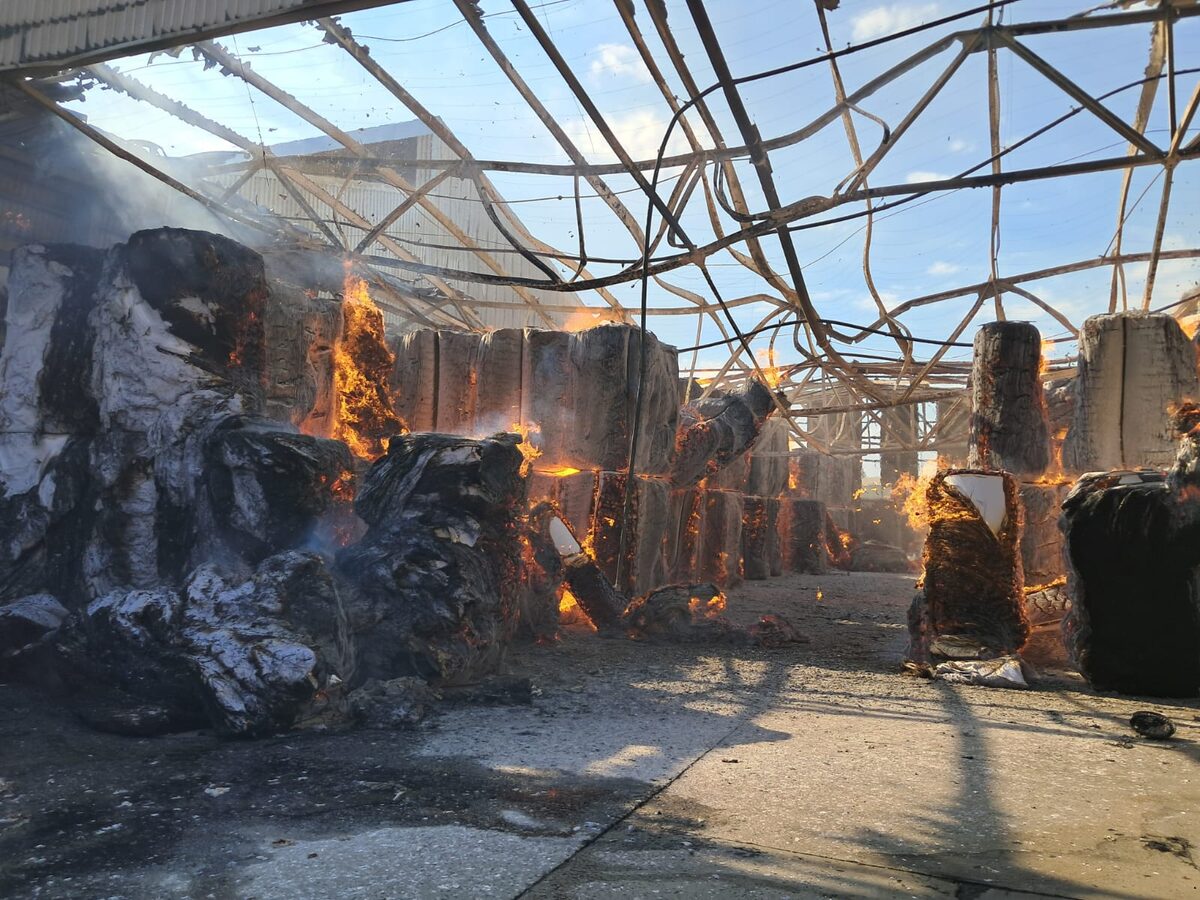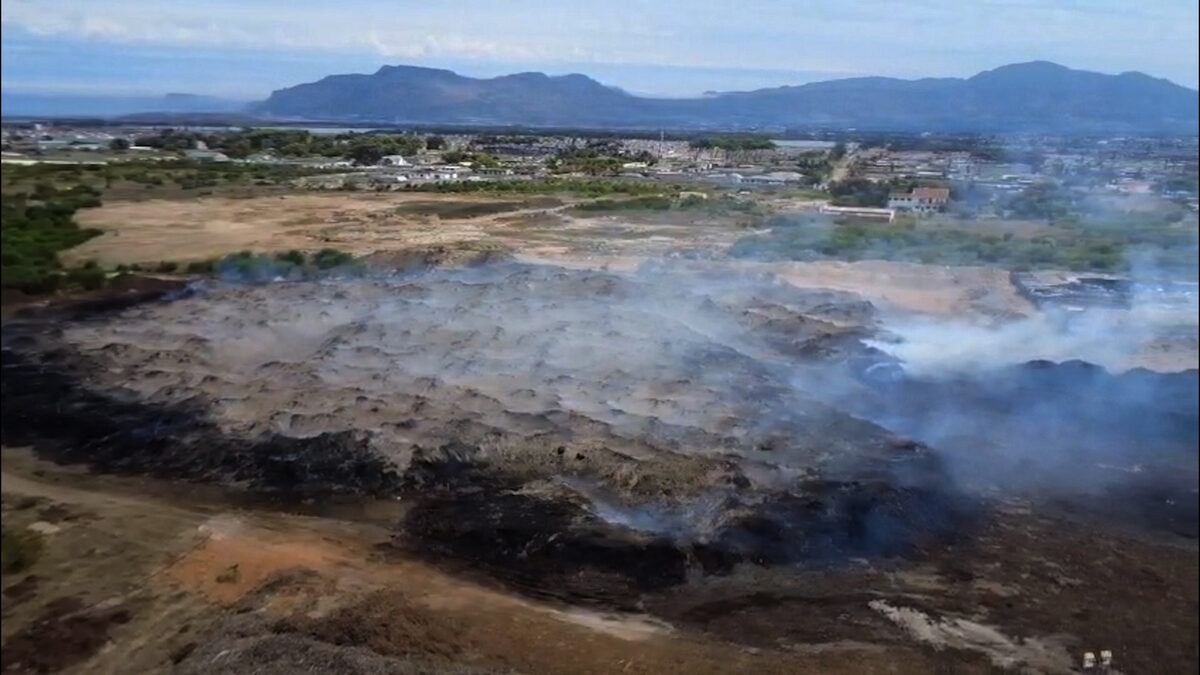


Firefighters are often the first to respond to emergencies, but repeated smoke exposure is taking a toll on their health. A new study by the University of the Western Cape (UWC) has found that while most firefighters have normal lung function, more than half of those surveyed reported respiratory symptoms linked to their work.
Respiratory symptoms
The research, published in the International Journal of Environmental Research and Public Health, looked at the lung health of 278 firefighters from the City of Cape Town Fire and Rescue Service. It found that 53.6% had experienced at least one respiratory symptom, highlighting the health risks that come with the job.
The most common complaints were coughing, reported by 54.4% of participants, and nasal congestion, reported by almost 41%. Firefighters between the ages of 30 and 49 were more likely to experience respiratory symptoms than those in other age groups.
The study was led by Dr Jaron Ras, a senior lecturer in the Department of Sport, Recreation and Exercise Science at UWC, and co-authored by Prof Lloyd Leach and Jordan Sasha Kaylor. It also found that firefighters with a higher body mass index (BMI), a greater percentage of body fat and more years of service tended to have poorer lung function. The findings suggest that long-term exposure to smoke and hazardous fumes, as well as physical health factors such as obesity, may contribute to declining respiratory health among firefighters.
Researchers used a lung function questionnaire to assess respiratory symptoms. Participants answered questions about wheezing, shortness of breath, coughing and chest tightness — and how these had affected their daily activities and work in the four weeks before the study. Firefighters also completed a questionnaire about any current or previous lung conditions, their age, sex, fire station, job role and years of service, as well as their medical history, smoking habits and physical activity levels.
Spirometry tests
Spirometry tests — non-invasive breathing tests that measure how well the lungs work — were also conducted, along with body composition assessments. Despite the high number of firefighters reporting symptoms, lung function tests showed that the vast majority (97.8%) had normal lung capacity. Only a small number showed signs of reduced lung function: 0.7% had borderline restriction, 1.1% had restricted lung function and 0.4% had severe restriction. These rates are much lower than those reported in similar studies in Nigeria and Portugal, where more than half of firefighters showed restrictive lung patterns.
Smoking was also linked to poorer lung function. Firefighters who smoked had significantly lower lung function than non-smokers, and those who smoked more cigarettes tended to have worse breathing test results. This supports previous research showing that smoking worsens lung health and increases the harmful effects of occupational smoke exposure.
Burden
Researchers said the findings highlight the health burden faced by firefighters, who are routinely exposed to smoke and hazardous airborne substances. They called on policymakers to introduce routine lung function testing for firefighters, along with BMI monitoring and support for smoking cessation and fitness programmes. “Regular exercise plays a critical role in reducing the harmful effects of prolonged occupational exposure on lung health. Comprehensive health programmes that promote physical activity, reduce body fat, enhance muscle mass and address negative health behaviours are therefore essential,” the researchers noted.
ALSO READ: UWC positions itself on the forefront of digital transformation