

D’Urbanvale residents have rolled in the big guns for their appeal against the approval of a fuel service station on Erf 15760 in D’Urbanvale, Durbanville by the City of Cape Town’s Municipal Planning Tribunal (MPT) in March.
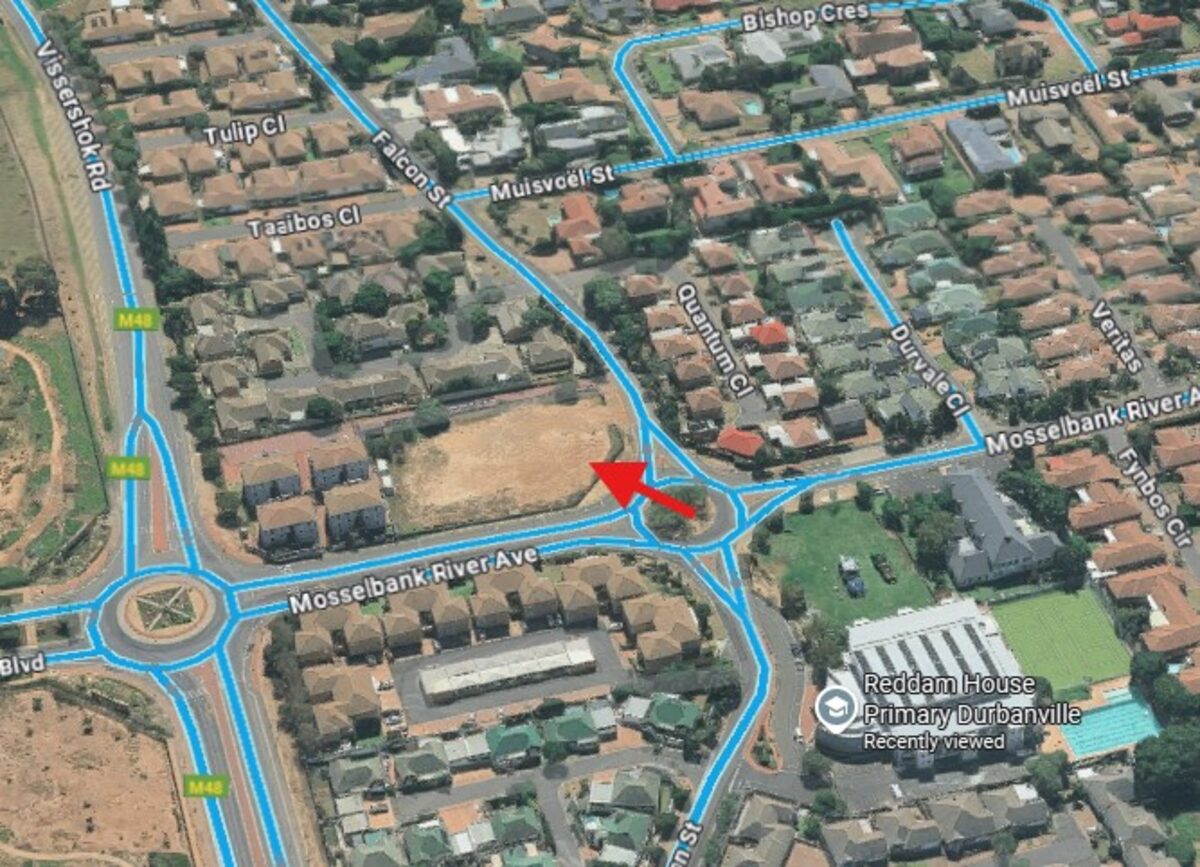
The application for the filling station on the corner of Mosselbank River Avenue and Falcon Street — opposite Reddam House Preparatory School — was brought by Engen Petroleum, who bought the erven in 2022 for R10,35m from the previous owner, Rosa Parks.
Residents also plan to register the existing D’Urbanvale Residents’ Forum as an official organisation with the City of Cape Town to represent them in this and other matters.
Formal appeal
“The approval of the filling station despite more than 200 objections has prompted a formal appeal from residents. It raises significant concerns about lawful decision–making, environmental governance, and the protection of children’s rights in municipal planning,” Thersia Smit, a resident and lawyer who compiled an executive summary of the formal appeal, said.
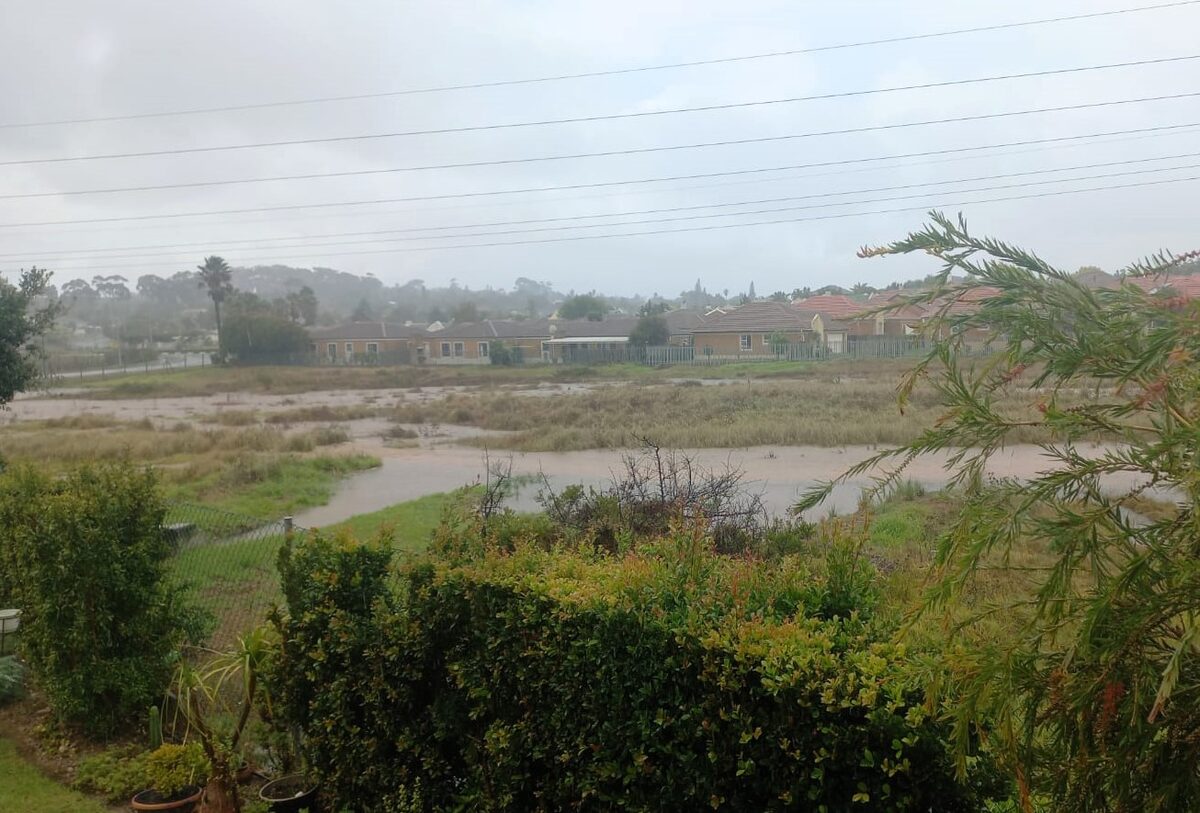
“The decision, taken on 24 March 2026, authorises a high–risk commercial land use in an established residential area, notwithstanding 222 written objections from residents and affected parties. The site lies in close proximity to residential homes, a primary school, as well as the Uitkamp Wetlands system — an area identified in municipal policy as environmentally sensitive.
“At the centre of our appeal is the allegation that the tribunal failed to comply with binding planning legislation and policy, most notably the Northern District Spatial Development Framework (2023). That framework expressly classifies D’Urbanvale as a low- to medium-density residential area and cautions against further fuel station approvals in the Durbanville corridor, because of service–station saturation, traffic safety risks, and environmental constraints.
“The approval was granted despite the presence of multiple fuel stations within a short radius of the site and without demonstrated evidence of unmet demand,” according to an executive summary of the appeal.
Failed to evaluate need and desirability
The appellants argue that the tribunal reduced its statutory duties to a formal checklist exercise, rather than conducting the substantive inquiry required by planning law. They contend that the decision failed to properly evaluate need and desirability, cumulative environmental risk, traffic impact, and land–use compatibility—considerations that South African courts have consistently recognised as jurisdictional prerequisites for approval.
“More fundamentally, the appeal asserts that the decision is procedurally unfair and constitutionally deficient. Of particular concern is the tribunal’s alleged failure to engage meaningfully with evidence relating to children’s health and safety, despite the fuel station’s proximity to a primary school and family homes.
“Section 28(2) of the Constitution requires that the best interests of the child be treated as paramount in all matters affecting children, including development decisions. The appeal claims that this obligation was neither acknowledged nor applied,” Smit says.
Near wetlands
Environmental governance also features prominently.
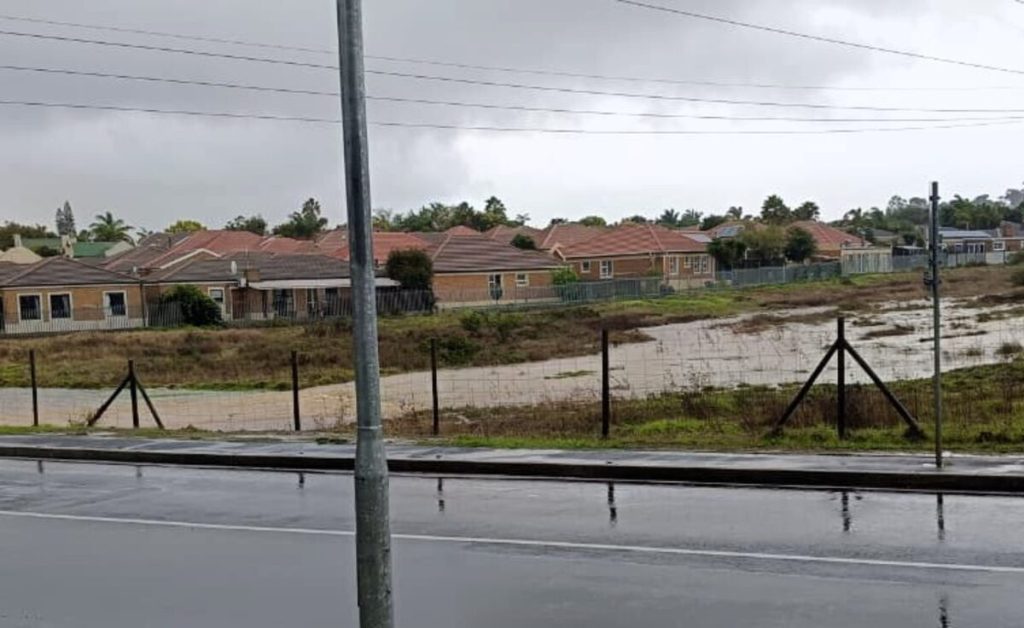
“The site falls near wetlands and groundwater recharge areas, yet the tribunal proceeded without evidence of prior authorisation under applicable water and environmental legislation. The approval is said to rely heavily on mitigation measures and compliance conditions rather than on a precautionary, risk–averse assessment—raising questions about consistency with constitutional environmental rights and sustainable development principles,” Smit said in the executive summary.
‘Public participation indequate’
The appeal further criticises the manner in which public participation was handled, alleging inadequate notification and the summary dismissal of objections as speculative. In planning law, participation is not a formality but a substantive safeguard against arbitrary decision-making.
“Ultimately, the appeal frames the matter as emblematic of a broader governance issue: whether municipal planning tribunals are exercising independent, informed judgment, as required by law, or merely endorsing applications that are formally compliant but substantively flawed.
“Municipal planning decisions are governed by an integrated legal framework that goes well beyond simple zoning compliance. Section 99 of the City of Cape Town’s Municipal Planning By-Law must be applied together with national and provincial planning legislation – most notably the Spatial Planning and Land Use Management Act (Spluma) and the Western Cape Land Use Planning Act (Lup), as well as binding City policies.
“Properly interpreted, section 99 does not confer a narrow or mechanical discretion. It imposes a layered constitutional obligation requiring decision-makers to evaluate applications substantively, not formally,” she says.
Children’s rights
“This framework must be applied through the lens of the Constitution, particularly section 33, which guarantees lawful, reasonable, and procedurally fair administrative action, and section 39(2), which requires all legislation to be interpreted in a manner that promotes the spirit, purport, and objects of the Bill of Rights. Compliance with the Municipal Planning By-Law therefore cannot be isolated from broader constitutional and statutory duties.
“In practice, this means that planning authorities must simultaneously give effect to Spluma’s development principles, Lupa’s evaluative requirements, applicable municipal policy, and constitutional rights – including environmental protection, equality, human dignity, disability rights, and the paramountcy of the best interests of children. Any interpretation of section 99 that reduces this framework to a checklist or defers uncritically to departmental reports is constitutionally impermissible.
“We, as the appellants, seek to have the approval set aside, arguing that it is irrational, unlawful, and inconsistent with constitutional standards of accountability, reasonableness, and fairness. Whatever the outcome, the case is likely to serve as an important test of how seriously environmental protection, children’s rights, and community interests are treated in local land-use decision-making,” Smit said.
Matter is sub judice
Eddie Andrews, the City’s deputy mayor and Mayco member for spatial planning and environment, previously said to TygerBurger on enquiry that as a result of the appeal against the decision, the matter is sub judice until the appeal is heard and a final decision has been made by the appeal authority.“The City cannot comment until these processes have been concluded,” he then said.
READ ALSO: Fuel station planned near school, wetland in D’Urbanvale sparks uproar


You must be logged in to post a comment.