
As part of Tuberculosis (TB) awareness month, the City of Cape Town’s Health Department is intensifying its focus on targeted testing of vulnerable populations. This approach has already shown measurable success. The disease continues to affect many South Africans, but new data shows collective efforts are slowly turning the tide.
7000
From 2021 to 2025, the Health Department recorded a significant increase in TB testing coverage among high-risk groups. From testing about 1 500 clients a month, City clinics are now testing 7 000 clients a month, with the TB positivity rate dropping from 20% in 2021 to 10% in 2025.
These local gains align with the World Health Organisation’s (WHO) End TB strategy, which calls for mobilising leadership, strengthening investment in TB programmes, and accelerating the rollout of newer, faster diagnostic tools.
READ ALSO: ‘Yes! You and I can End TB’
“The decrease reflects earlier detection, improved access, and strengthened community-led prevention efforts. City Health has intensified targeted universal testing for TB (TUTT), one of the key activities of the Close the Gap campaign. We are making real progress and we need to keep up the momentum. Let’s continue to create awareness, reduce stigma and discrimination, support loved ones and ensure those around us are safe and protected. It’s a step in the right direction in the fight against a disease which is preventable and curable,” said Mayco Member for Community Services and Health, Francine Higham.
Reduce stigma
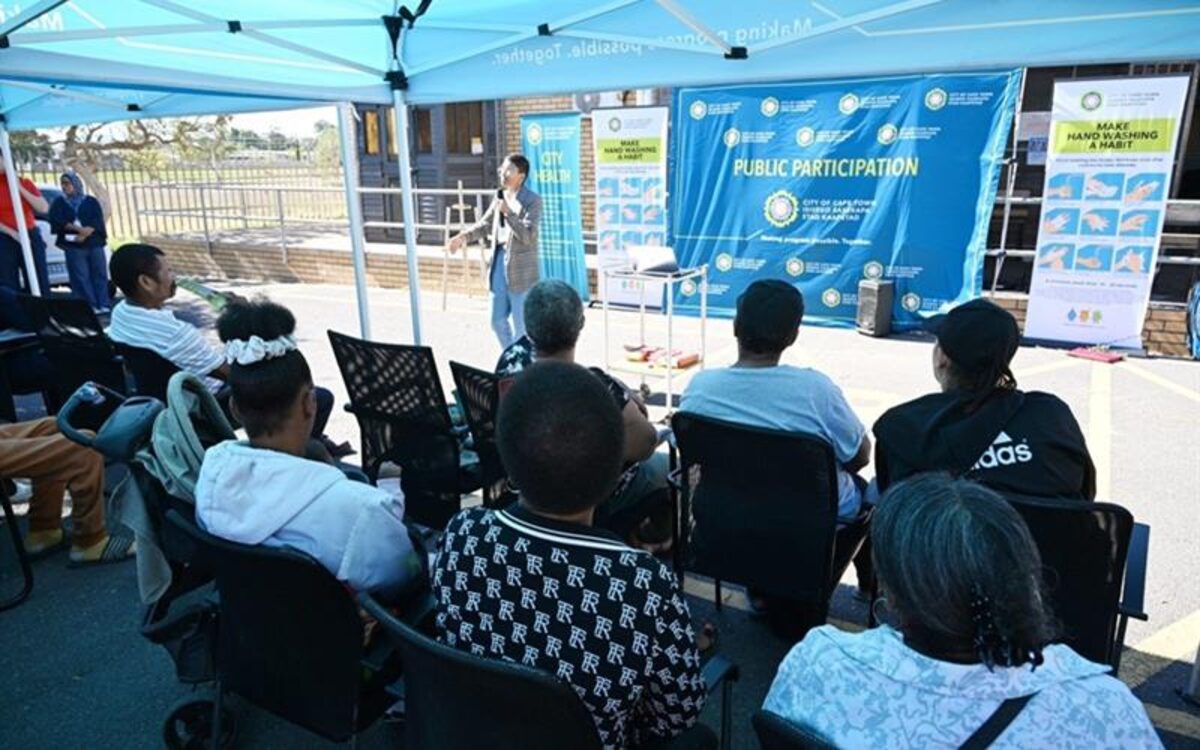
The Close the Gap campaign, by the National Department of Health (NdoH) is a country-wide initiative which targets high-burden areas focusing on retention in care, TB testing, and reducing stigma. A World TB Day outreach was held at the Harmonie Clinic in Kraaifontein, with residents engaging all services and gaining clear, informative guidance on TB prevention and care.
Earlier this month, the NdoH launched the National TB Data Dashboard, which is a public platform designed to increase transparency and enable real time monitoring of TB trends, helping the country better identify and support high risk communities. With more people getting tested, especially those most at risk, persons with TB are identified earlier, with better chance of a cure and transmission in communities is reduced.
How to reduce the spread of TB:
-Keep windows open to improve ventilation
-Let natural sunlight into your home
-Cover your mouth and nose when coughing or sneezing
-Seek medical advice early if you feel unwell
Remember to test for TB If:
-You have been in close contact with someone diagnosed with TB in the past 12 months
-You have had TB in the last two years
-You are living with HIV