

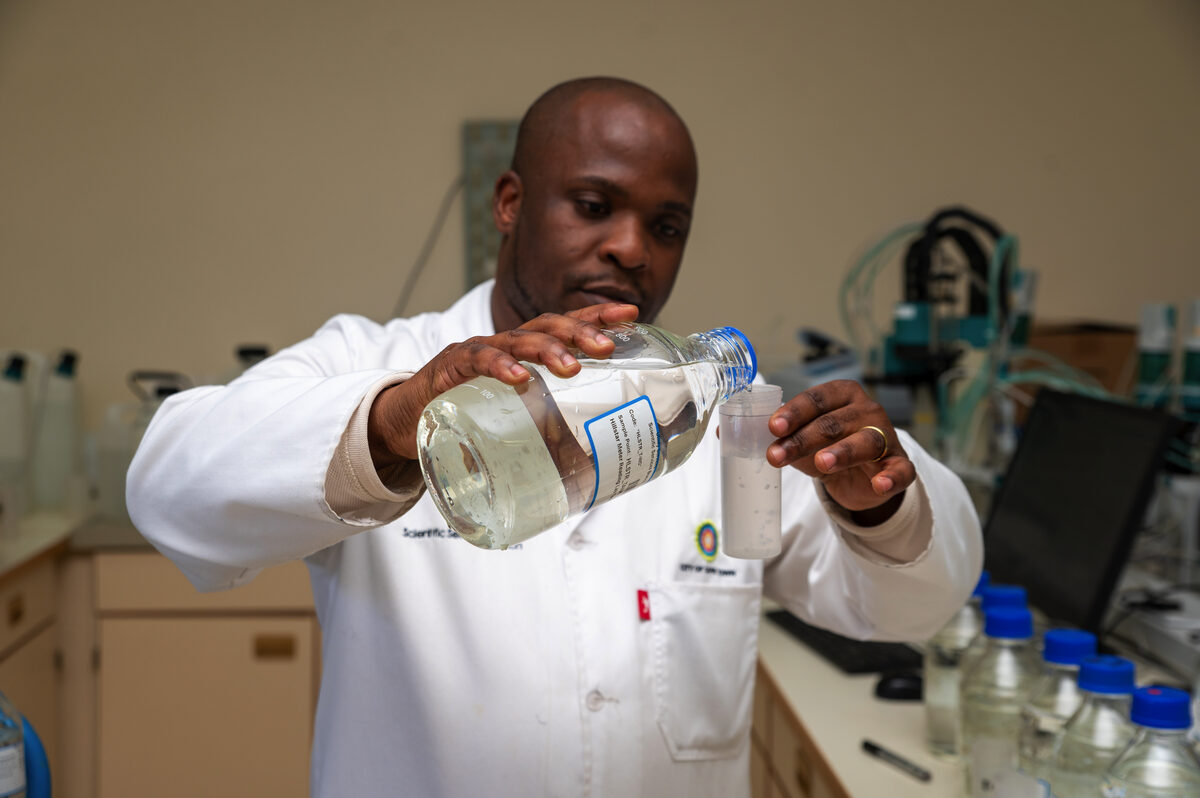
Cape Town’s tap water continues to meet an excellent standard of drinking water quality, according to the latest annual report from the City of Cape Town’s Water and Sanitation Directorate.
The report covers the period 1 July 2025 to 30 June 2026 and provides a detailed overview of water quality across the city’s supply systems.
Results are measured against the South African National Standard for drinking water (SANS 241:2015), which sets requirements for assessing drinking water quality and its suitability for human consumption.
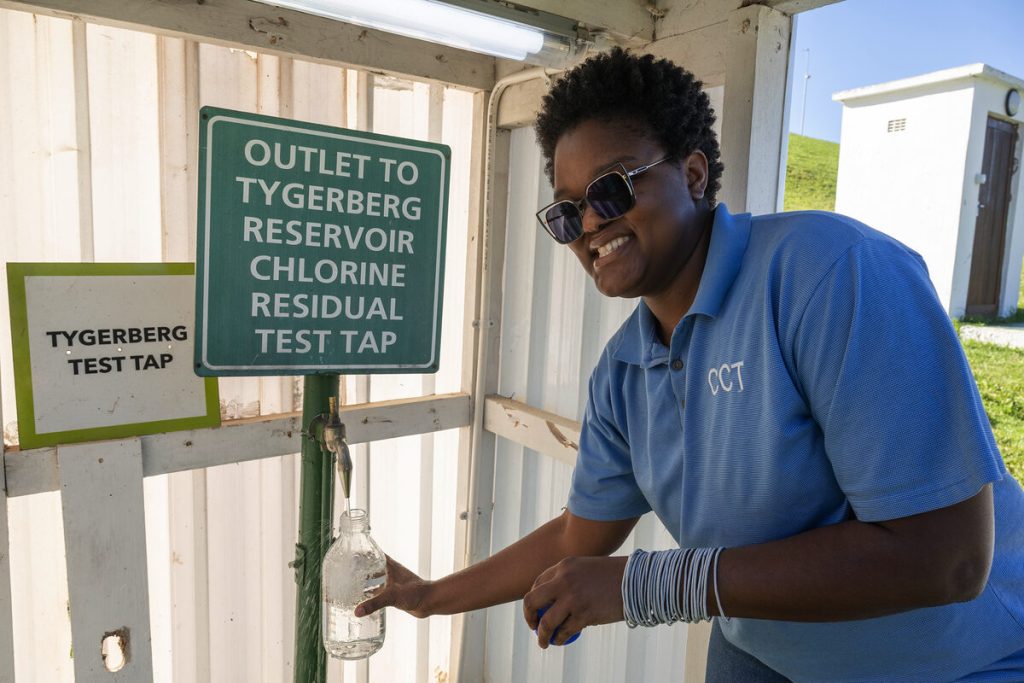
Cape Town’s municipal drinking water supply passed the assessments across the applicable water quality criteria. Samples were collected from all 11 water supply systems, with the analysis covering physical, chemical and microbiological parameters.
An extensive monitoring programme tracks water quality from treatment plants through the network of reservoirs and pipelines supplying communities across the city.
ALSO READ: City reports stable water quality near Cape Town sewage outfalls
How drinking water quality is monitored
Water from dams is purified at 12 water treatment plants. Each plant has an on-site laboratory where drinking water is tested every two hours, every day of the year.
About 200 drinking water samples are collected weekly at various sampling points. Water quality is monitored by the Water and Sanitation Directorate’s Scientific Services teams as water flows through the 10 800 km network of pumps, reservoirs and pipelines to reach taps.
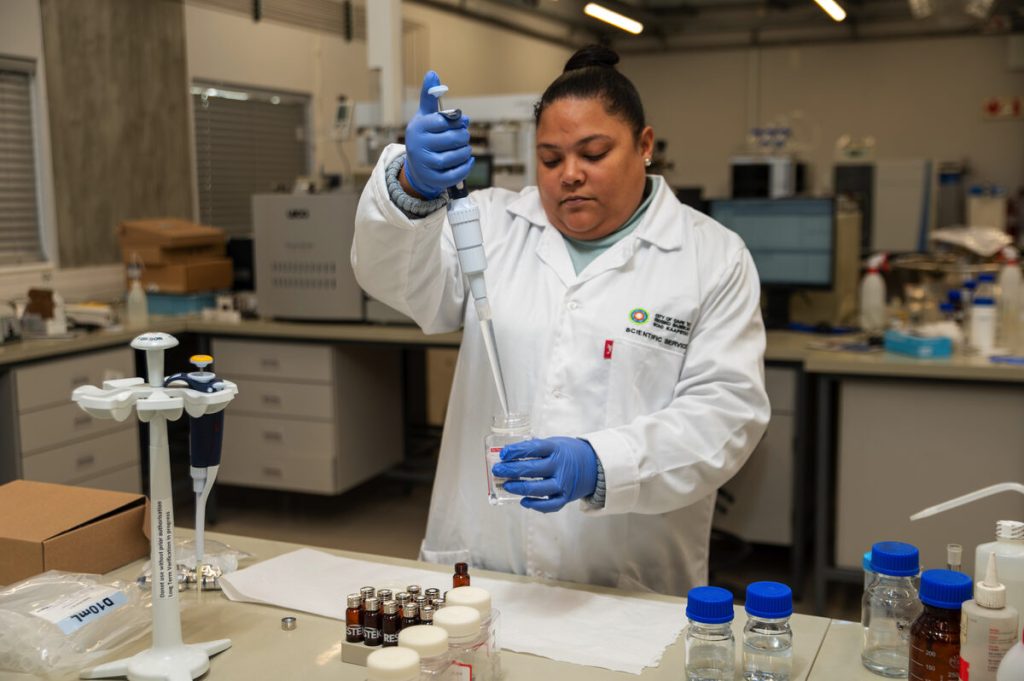
A video explaining the City’s water quality assurance processes is available here.
Mayco member for water and sanitation Zahid Badroodien said maintaining excellent drinking water quality required consistent leadership, skilled people and sustained investment across the entire water supply system.
“These results reflect the work of hundreds of staff who treat, test and monitor Cape Town’s water every day, from our treatment plants to residents’ taps.”
The City’s responsibility is not only to maintain the standards achieved but to strengthen the resilience of the system for the future, he said.
As the city grows and climate pressures increase, the City will continue investing in modern treatment processes, scientific monitoring, infrastructure maintenance and the skills needed to protect the quality and security of Cape Town’s drinking water, he said.
“Transparent reporting remains central to this approach. Public confidence must be supported by credible scientific evidence and open access to information.”
Badroodien encouraged residents to read the annual report and familiarise themselves with the results.
The annual report and quarterly tap water quality reports are available at www.capetown.gov.za/waterquality.
Monthly water quality updates are also available through the National Department of Water and Sanitation’s My Water information portal at ws.dwa.gov.za/IRIS/mywater.aspx.
ALSO READ: Potsdam wastewater upgrade promises boost for Milnerton Lagoon



You must be logged in to post a comment.