
A recent court ruling and sentencing are a beacon of hope for the Cape of Good Hope SPCA and animal-welfare advocates.
A firm unsuspended sentence of two months in prison or a R2 000 fine was handed down to Franco Louw on 7 August.
He was convicted on charges under the Animals Protection Act for the continued neglect of his dog, who endured a life of misery while chained.
“This verdict carries an unambiguous message to our society – a stern stand against any form of animal cruelty,” says chief inspector at the SPCA Jaco Pieterse.
“Unlike a suspended sentence, which may delay punishment pending good behaviour, a non-suspended sentence commands immediate accountability and we could not be happier. Justice has prevailed, and we are encouraged by the commitment demonstrated by the judicial system’s ruling. It is a commitment to our ongoing fight against animal cruelty.”
Life on a chain
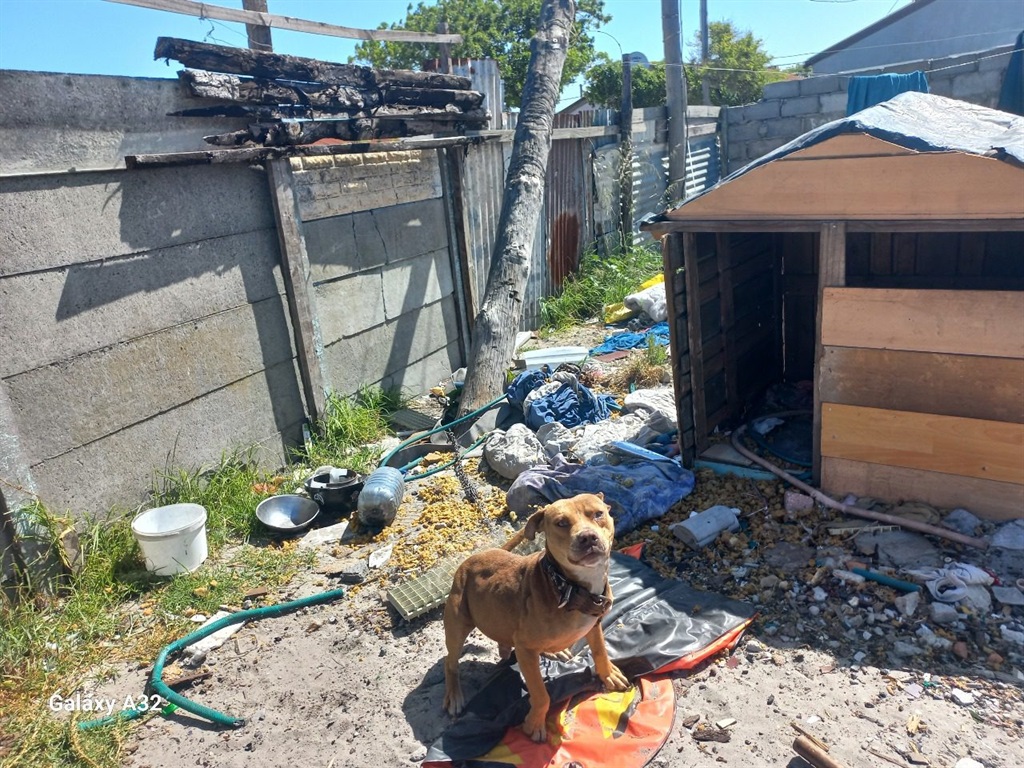
Louw’s dog was relegated to a life of isolation on a chain.
“He was frequently without fresh drinking water and was unable to experience even the simplest of joys, running freely, playing, exploring, or engaging with others,” Pieterse said. “Despite repeated visits to his property by SPCA inspector Siviwe Noko, the dog’s situation remained unchanged.”
After six visits to the property, and persistent defiance of the owner, the SPCA applied for and was granted a court order to rescue the dog.
“When Inspector Noko arrived at the owner’s residence with the police officers to execute the court order, he faced a defiant owner who was unwilling to cooperate,” Pieterse said. “The owner threw the court order on the ground and physically prevented the seizure of the dog, obstructing an officer of the law in executing his duties. But Noko’s resolve remained unshaken.”
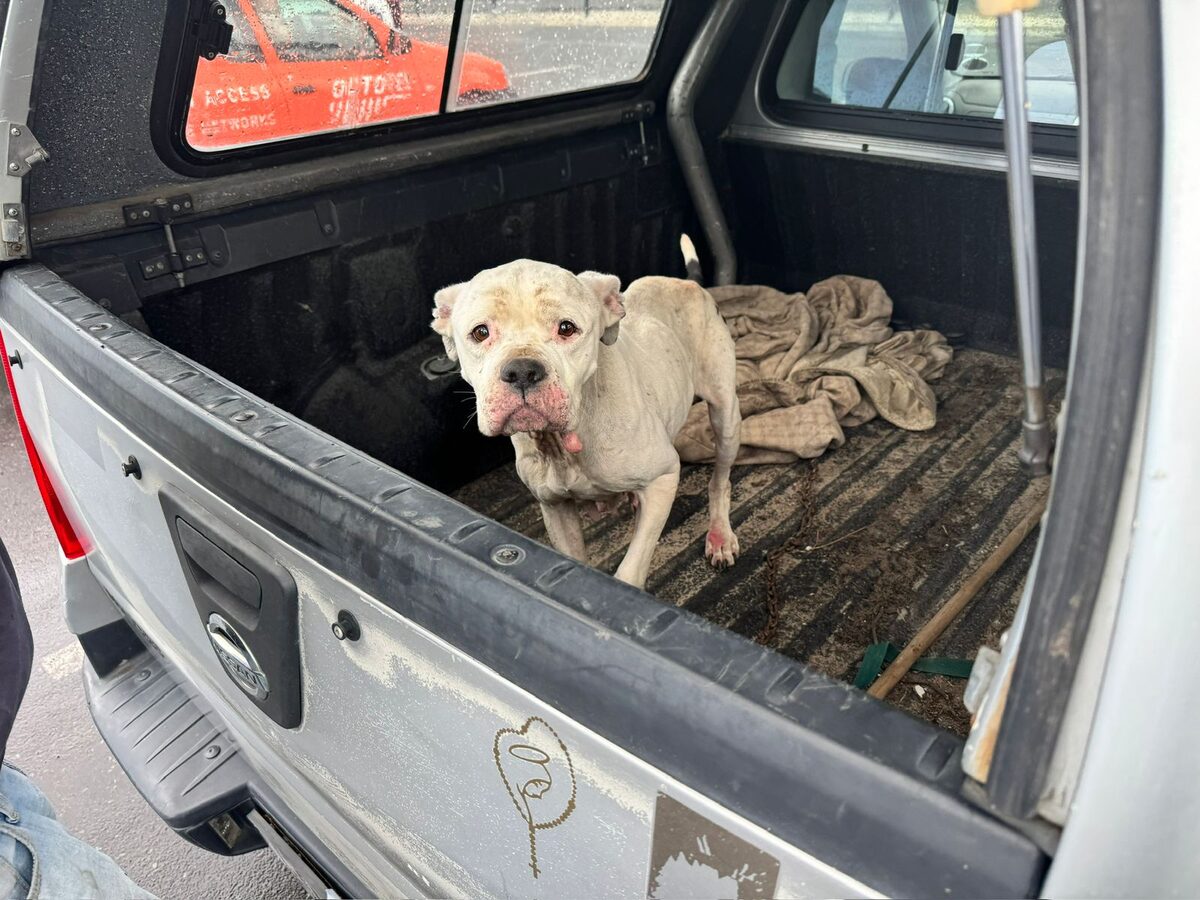
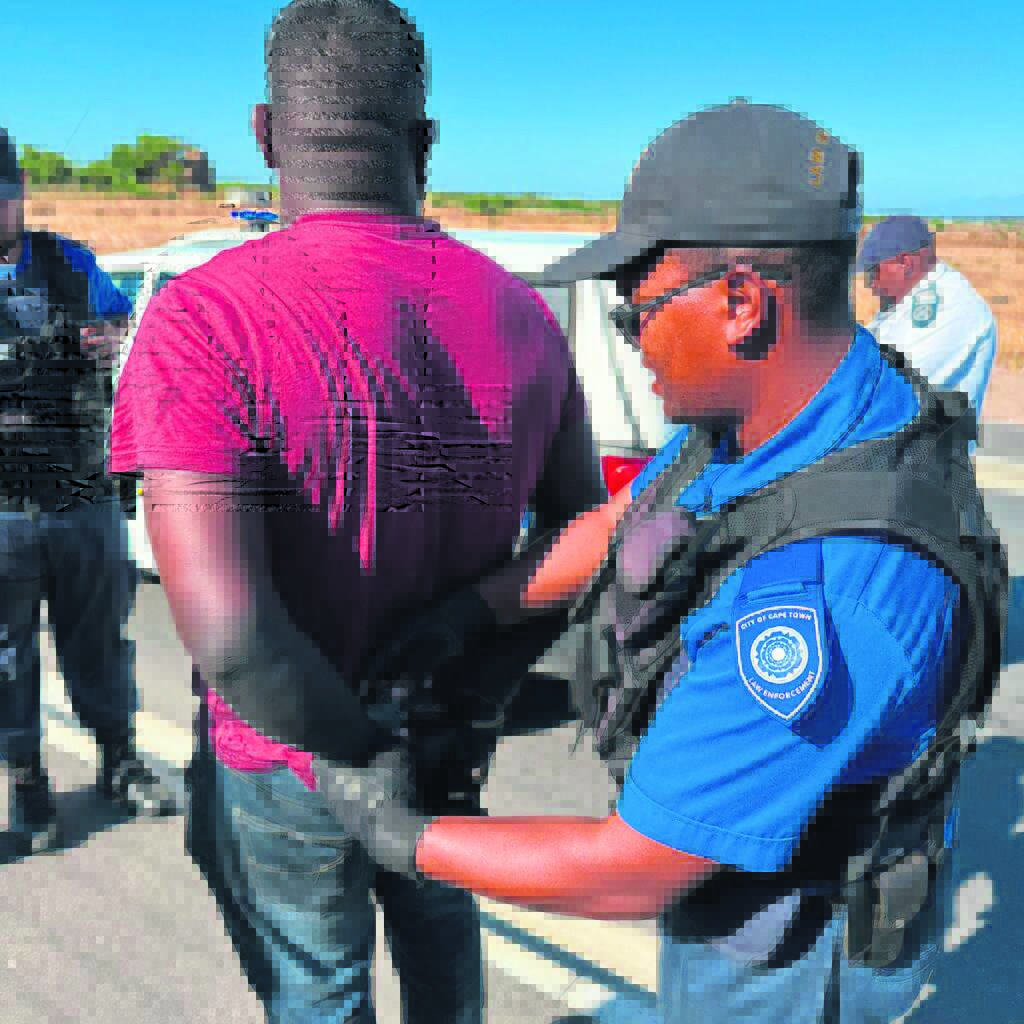
More police officers were summoned, as was support from City law enforcement and after a seizure notice was issued, Noko removed the dog and a case of animal cruelty was opened. Louw pleaded guilty.
Pieterse says the outcome is a monumental victory for justice.
“The message is clear, animal cruelty will not be tolerated in our society, not by those who witness it, not by those who investigate it and not by those who hear the matter in court.”
A leap for chained dogs
For a well-known Brackenfell animal advocate and founder of Grace Animal Sanctuary, which rescues animals across the city, Caron Burger, this conviction was one small victory for rescue, but a leap for chained dogs.
“It is way overdue that the physical and mental stimulation of chained dogs be considered over and above the lack of access to proper shelter, food and water,” she said.
“To date, very little response has been forthcoming in this regard, for it appears to be a last priority.
“People do chain for the safety of the dog in some instances, but in the majority of cases it’s to prevent the dog being a ‘nuisance’, a forgotten soul hidden in a yard. May this be the start of their bright new future.”
Animal activists at Change for the Better Foundation in Kraaifontein urges witnesses to animal abuse or neglect to report these to the authorities to enable successful prosecution.
“Every successful judicial victory relies on correct reporting, concrete evidence and diligence to follow through,” said Annelie van Wyk.
Keeping dogs on short chains or ropes is a common trend in Cape Town, according to the SPCA.
When continuously chained or tethered, the dog becomes neurotic, unhappy, anxious and often aggressive and it is not uncommon for such dogs to endure physical ailments because of being continuously chained or tethered.
According to experts a chained dog does not have the ability to develop mentally or physically to function normally. They can’t protect themselves from the elements or search for food or water if the owner does not provide these. Neither can they defend themselves.
“The Cape of Good Hope SPCA is totally opposed to the keeping of dogs on chains or ropes,” said spokesperson Belinda Abrahams. “In such cases, our mission is always first to educate the owners to help find a solution so that the dog is not kept chained or tethered.
“If no solution can be found, then this leaves our inspectors with no other option but to remove the dog.”