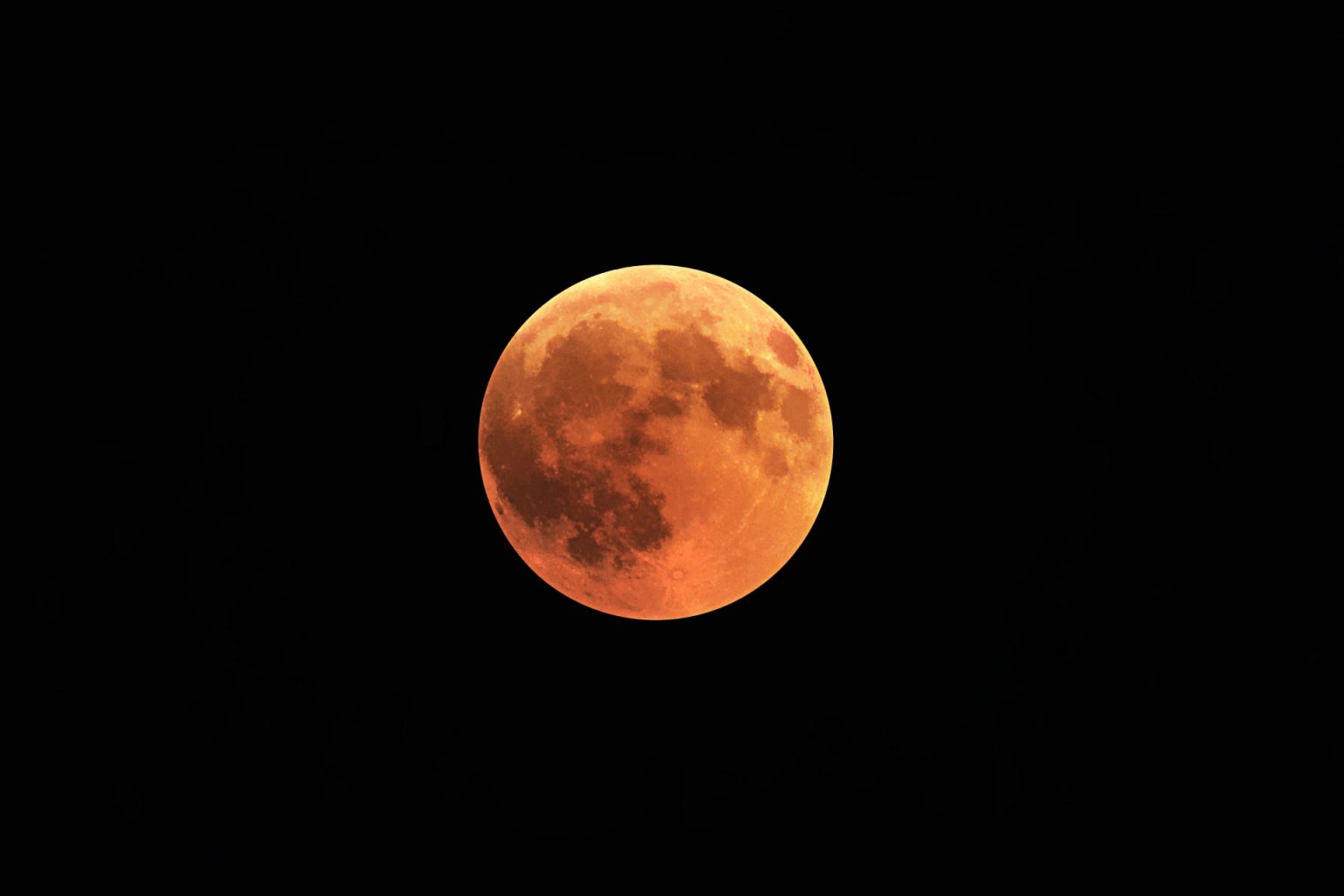

- The November full moon is traditionally known as the Milk Moon in South Africa, not the Beaver or Frost Moon commonly used in the northern hemisphere.
- This name has cultural and historical significance, especially among South African pastoral communities.
- On November 15, South Africans will witness the Milk Moon rise, coinciding with a supermoon event.
The eleventh full moon of 2024 will grace the night sky on 15 November, but contrary to popular belief fuelled by social media and the popular press, it is officially recognised as the Milk Moon, according to the heritage moonlist of the Centre for Astronomical Heritage, a non-profit organisation in Cape Town.
While the term “Beaver Moon” is commonly used in North America, reflecting the busy dam-building activities of beavers in November, this designation holds no relevance in South Africa.
Similarly, the “Mourning Moon” references either the hardships of impending winter or the mourning of summer’s end, and the “Frost Moon” signifies the arrival of cold temperatures. However, in South Africa, November marks the approach of summer, making these names unsuitable.
Cultural importance
According to Edward Foster, a director of the organisation, the Milk Moon carries significant cultural and agricultural importance in South Africa.
“Milk is an important agricultural product and dietary component in modern day South Africa and the dairy industry employs a substantial number of people at many levels. Milk also has deep historical roots in pre-colonial South Africa,” says Foster.
“For the pastoral KhoiKhoi, contrary to popular and general historic perception, meat was not the major protein source in their diet, it was milk. When Jan van Riebeeck arrived at the Cape of Good Hope in 1652 the KhoiKhoi welcomed him by offering him a drink of fresh milk,” he adds.
Early explorers often recounted being offered milk, both fresh and fermented during their encounters with the KhoiKhoi, who also utilised milk in various culinary applications, including the making of butter.
Among the Xhosas, Zulus and other groups who arrived from east and central Africa, milk was and still is an important food source, both in its fresh and fermented form, according to Foster.
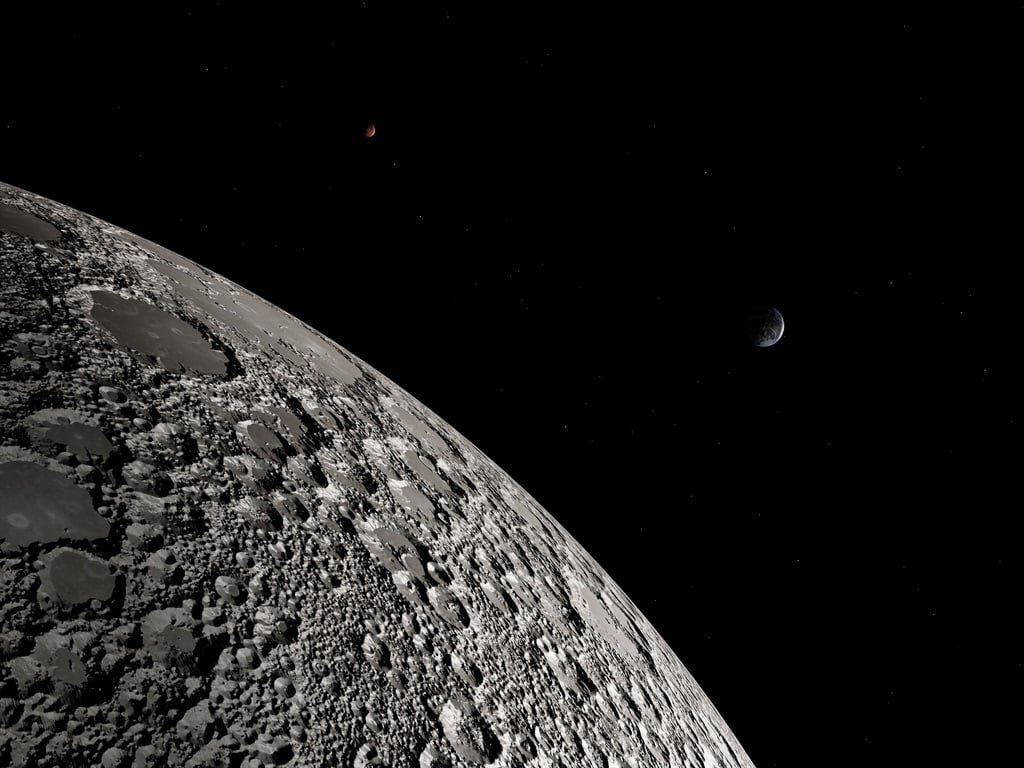
On 14 November, a day before the full moon, the moon will reach its perigee, the closest point to Earth in its orbit, at a distance of 360 110 km. This will result in the fourth and final Supermoon of 2024, providing a spectacular sight for observers.
See https://cfah.org.za/fullmoon/ and https://cfah.org.za/fullmoon/milk-moon/, to read more about the November Milk Moon. If you want to know more about the Heritage Full Moon project go to https://cfah.org.za/outreach/moon001zaf20f/