
Most of the Western Cape’s municipalities are managing public money well, but not all. The province’s 2024-’25 audit outcomes show that 25 of 30 municipalities achieved unqualified results, the gold standard of audit outcomes.
Of these, 20 municipalities achieved clean audit opinions, while a further five, which include the City of Cape Town, received an unqualified opinion with findings, a regression that takes the City a notch down on the scale. This finding was of particular concern to the Auditor-General (AG), given that Cape Town accounts for 70% of the province’s total spending.
The AG’s report findings relate to internal control deficiencies in procurement that resulted in the material findings on compliance with legislation.
The audit found that the City’s Bid Evaluation Committee did not apply sufficiently rigorous review processes when assessing tender documents, resulting in some bidders not being evaluated against all required responsiveness criteria and functionality specifications.
Despite arguing that its processes are fully compliant with Municipal Supply Chain Management Regulations, the City failed to overturn the findings with a dispute process, and is now considering taking the matter on judicial review.
Mixed results
Elsewhere in the province, the Western Cape Government noted improvements in two municipalities. Beaufort West Municipality achieved an unqualified audit with findings for the first time since 2016, and Cederberg Municipality improved from an unqualified audit opinion with findings to a clean audit for the first time since 2022.
Five municipalities remain in distress. Bitou Municipality and Prince Albert Municipality have regressed to qualified audit outcomes, while Theewaterskloof Municipality maintained its qualified opinion. More serious concerns persist in Kannaland Municipality, which received a disclaimer audit opinion in two consecutive years, and Laingsburg Municipality, which remains at an adverse audit outcome.
ALSO READ: City’s R5 billion desalination plant in Paarden Eiland draws opposition fire
Western Cape Minister of Finance, Deidré Baartman, last week said, “Unqualified audits are not just technical achievements. They mean that every rand of public money is accounted for, that services can be delivered without disruption, and that residents can trust their local government. The Western Cape Treasury has worked alongside municipalities to strengthen financial controls, and these results show that partnership works.”
Hands-on support
The Western Cape Government also noted improvements in two municipalities. Beaufort West Municipality achieved an unqualified audit with findings for the first time since 2016.
“This marks a meaningful step forward after years of challenges and demonstrates that recovery is possible where there is accountability, cooperation and stable leadership. And Cederberg Municipality improved from an unqualified audit opinion with findings to a clean audit for the first time since 2022,” said Baartman.
Five municipalities remain in distress. Bitou Municipality and Prince Albert Municipality have regressed to qualified audit outcomes, while Theewaterskloof Municipality maintained its qualified opinion. More serious concerns persist in Kannaland Municipality, which received a disclaimer audit opinion in two consecutive years, and Laingsburg Municipality, which remains at an adverse audit outcome.
Western Cape Minister of Local Government, Anton Bredell, said the Department of Local Government and Provincial Treasury are now providing intensified hands-on support to these five municipalities – including financial recovery plans, capacity deployment, and monthly compliance reviews. “Our goal is not to criticise, but to stabilise and rebuild.”
ALSO READ: Riversdale solar plant 98% complete as province advances energy independence
Audit outcomes remain one of the clearest indicators of how well municipalities manage public funds. Unqualified audits confirm that financial statements are credible, that municipalities comply with relevant legislation, and that resources are used for their intended purpose, namely the delivery of reliable services to communities.
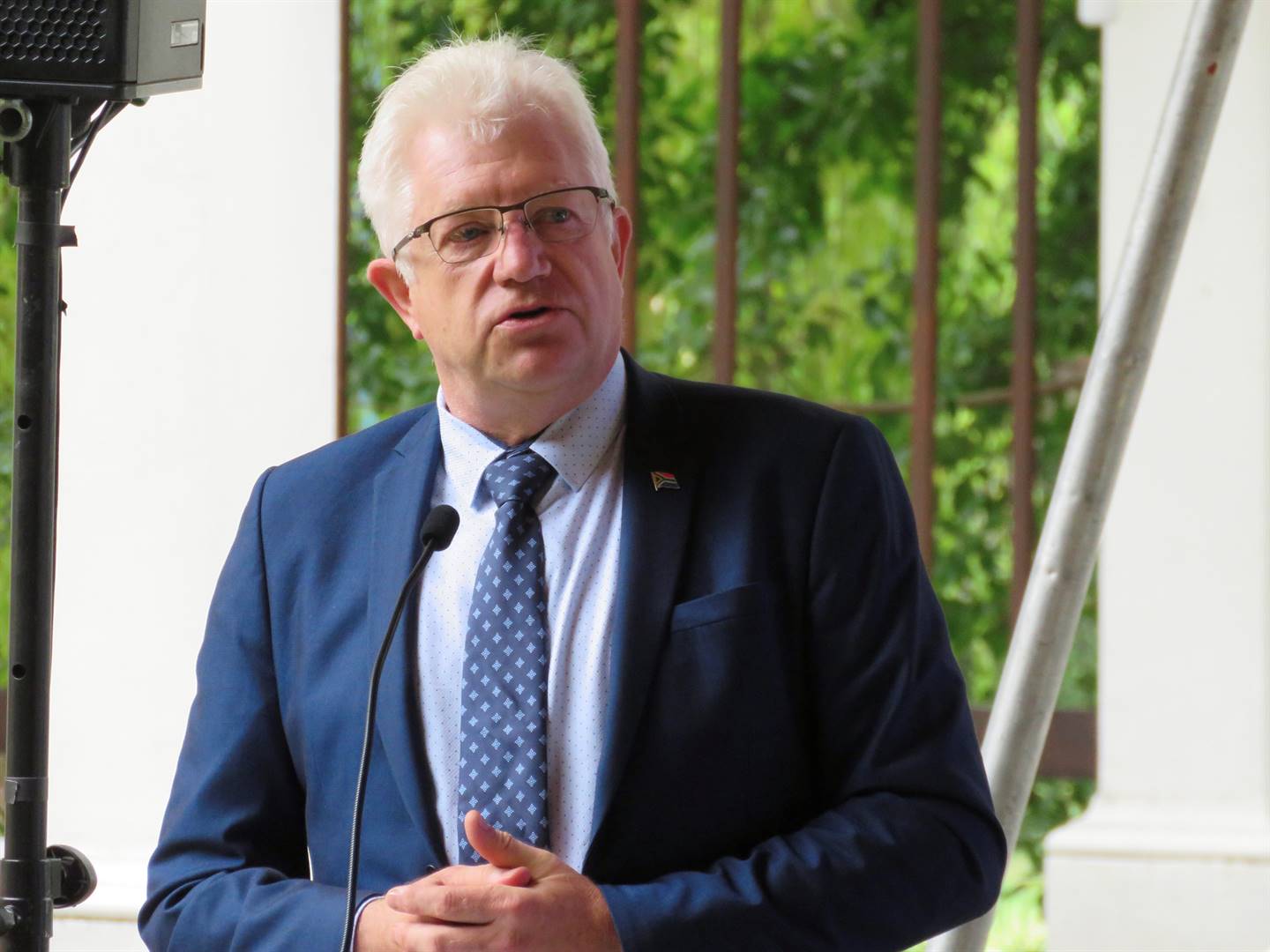
Premier Alan Winde said when municipalities manage public finances responsibly, it creates the foundation for growth, reliable service delivery and infrastructure investment.
“The fact that 25 municipalities have achieved positive audit outcomes is encouraging, but more needs to be done. We want to see continued improvement across every municipality in our province. Our residents deserve nothing less.”