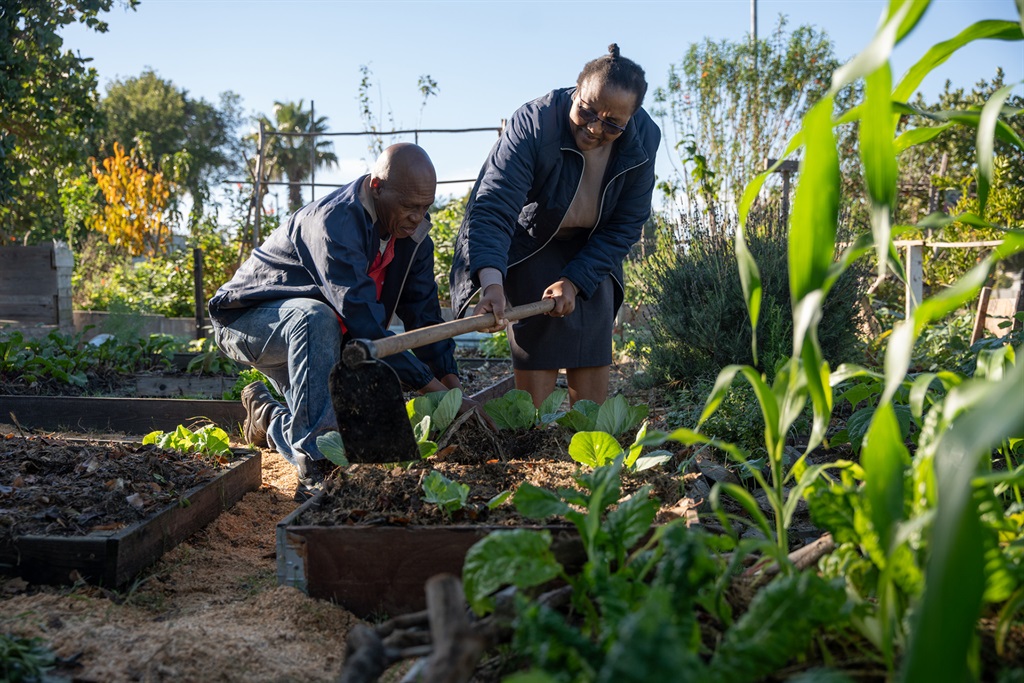

In the shadow of a pandemic that brought the world to its knees, a group of Rastafarian men from the community of Scottsville in Cape Town made a quiet decision. Instead of watching a dumping ground fester on their doorstep, they would transform it into something that feeds people.
That decision gave birth to KOS Gardens, a thriving community-operated food garden that has since yielded multiple harvests, inspired neighbouring communities, and earned the attention of renowned national humanitarian organisation Gift of the Givers.
Organic living
The garden simultaneously functions as a means for the members to cultivate nutritious and organic food for their families, an aspect particularly meaningful to the group as Rastafarians, for whom a connection to the earth and clean, natural living is central to their faith and way of life.
“The majority of the men involved were, and many still remain unemployed,” says one of the founding voices, Adriaan Speelman. “For them, the garden was never just about growing vegetables. It was equally about cultivating dignity.”
By 2021, the ground was prepared and the first plants went in.
“The area straddling Peerless Park West and Scottsville, where the majority of residents are coloured and Afrikaans-speaking, is no stranger to hardship,” says Speelman.
Like many surrounding neighbourhoods in Kraaifontein, it contends with persistently high unemployment rates and the social pressures that come with it.
“But KOS Gardens did not sidestep these realities. It stepped directly into them,” adds Speelman, noting that the road to the first harvest was neither quick nor easy.
ALSO READ: Brackenfell’s Suikerbossie Garden needs help to keep growing
Members began by cleaning the site and at first planted succulents in the sandy soil before approaching their ward councillor, who connected them with the City of Cape Town’s parks department that has a policy in place to empower communities to cultivate food gardens on public open spaces.
The harvests that followed have been a source of joy, but the journey was not without its trials. Water, or rather, the lack of it, proved to be the garden’s most persistent adversary.
Through that engagement, the group was allocated a more fertile, workable piece of land nearby, where funding from local government helped erect a perimeter fence.
“The harvests that followed have been a source of joy, but the journey was not without its trials. Water, or rather, the lack of it, proved to be the garden’s most persistent adversary,” says Speelman.
For a time, the City of Cape Town supplied a water tank that was filled weekly, and later the Department of Agriculture assisted with the installation of a well point, providing the garden with a more reliable water source.
Resilience celebrated
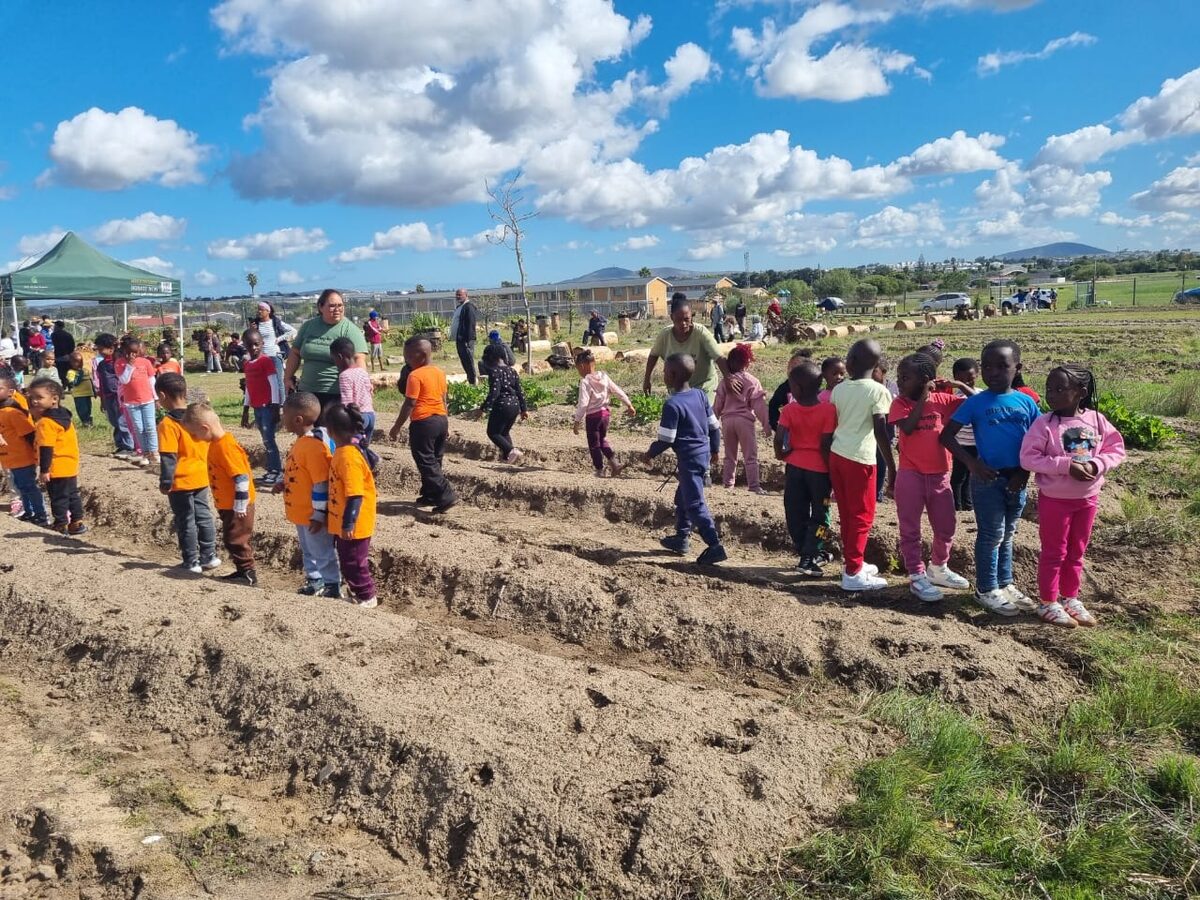
Last week, under the symbolic theme “Freedom of Resilience”, KOS Gardens held a landmark celebration that drew children, seniors, and community members from across the area. The theme was chosen to honor the project’s ability to adapt, endure, and flourish in the face of adversity.
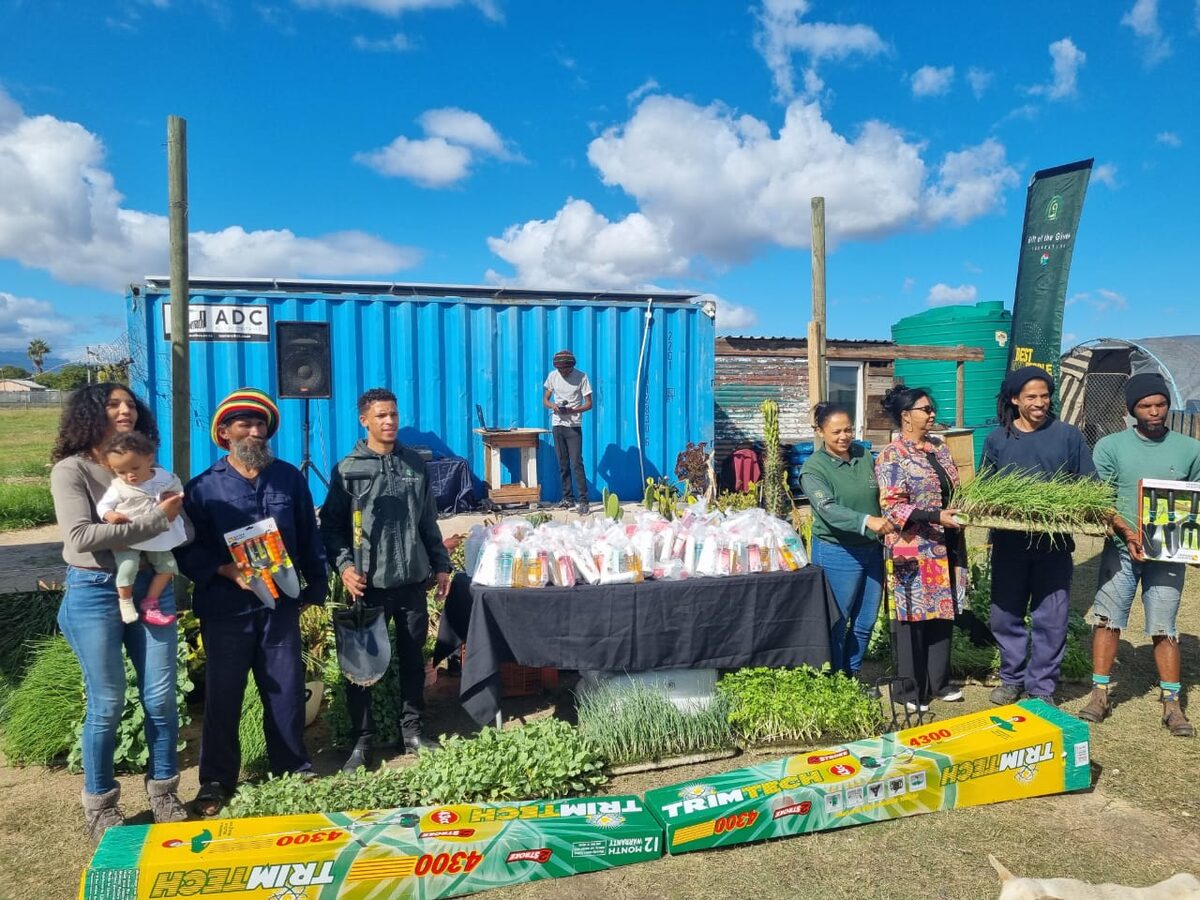
The highlight of the day was a significant handover of resources by Gift of the Givers, the renowned South African humanitarian organisation that had heard of the garden’s water struggles and answered the call. Among the implements donated were large water tanks, spades, two weed eaters, and numerous seedlings of various vegetable types, planted on the day by community members young and old.
Those helping to press seedlings into the soil included children from two day cares in Peerless Park West, learners from Petunia Primary School, members of the Scottsville/Peerless Park Seniors Club, and the Scottsville Fitness Club.
Gift of the Givers rounded off the celebration by treating everyone to a fragrant, home-style Akni and gift bags filled with beauty products, a gesture that matched the sentiment of the day.
A ripple beyond the garden gates
The impact of KOS Gardens has not been contained within its fences. The nearby Belmont Park community, itself grappling with vandalism, illegal dumping, and illegal land occupation, took notice and approached KOS Gardens members, asking for guidance on how to start a similar initiative in their area.
“This was exactly the kind of effect we had hoped for,” says Speelman. “What we’re trying to demonstrate with this project is also how we as citizens need to take ownership and play a part in bringing the change that we need and want to see.”
“The garden’s development has been lengthy and challenging. However, we have remained dedicated to seeing the project through, in the hope that our commitment would serve as an inspiration for others in our community to undertake similar initiatives,” says Speelman.
On the evidence of what KOS Gardens has already achieved, the harvest is only beginning.