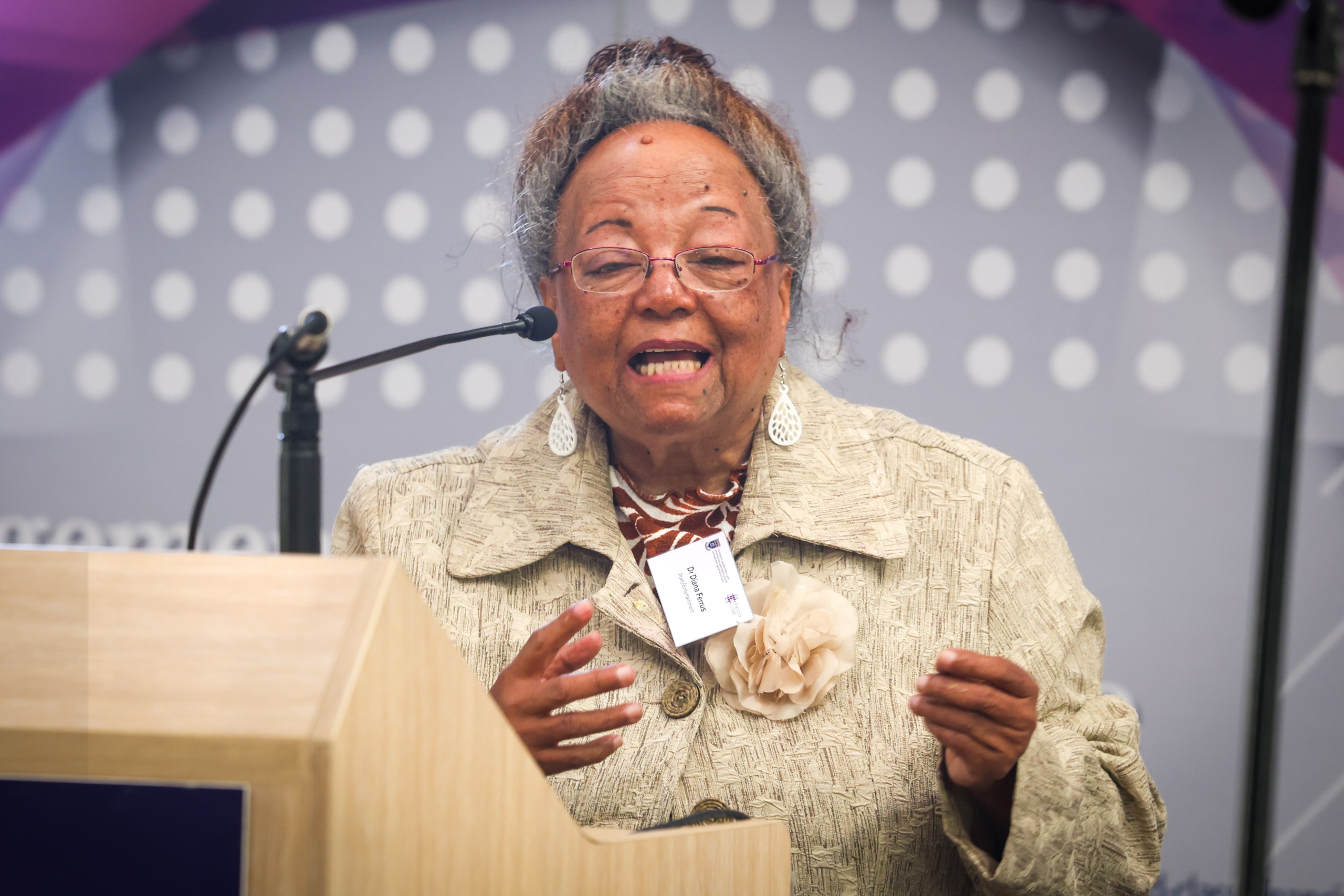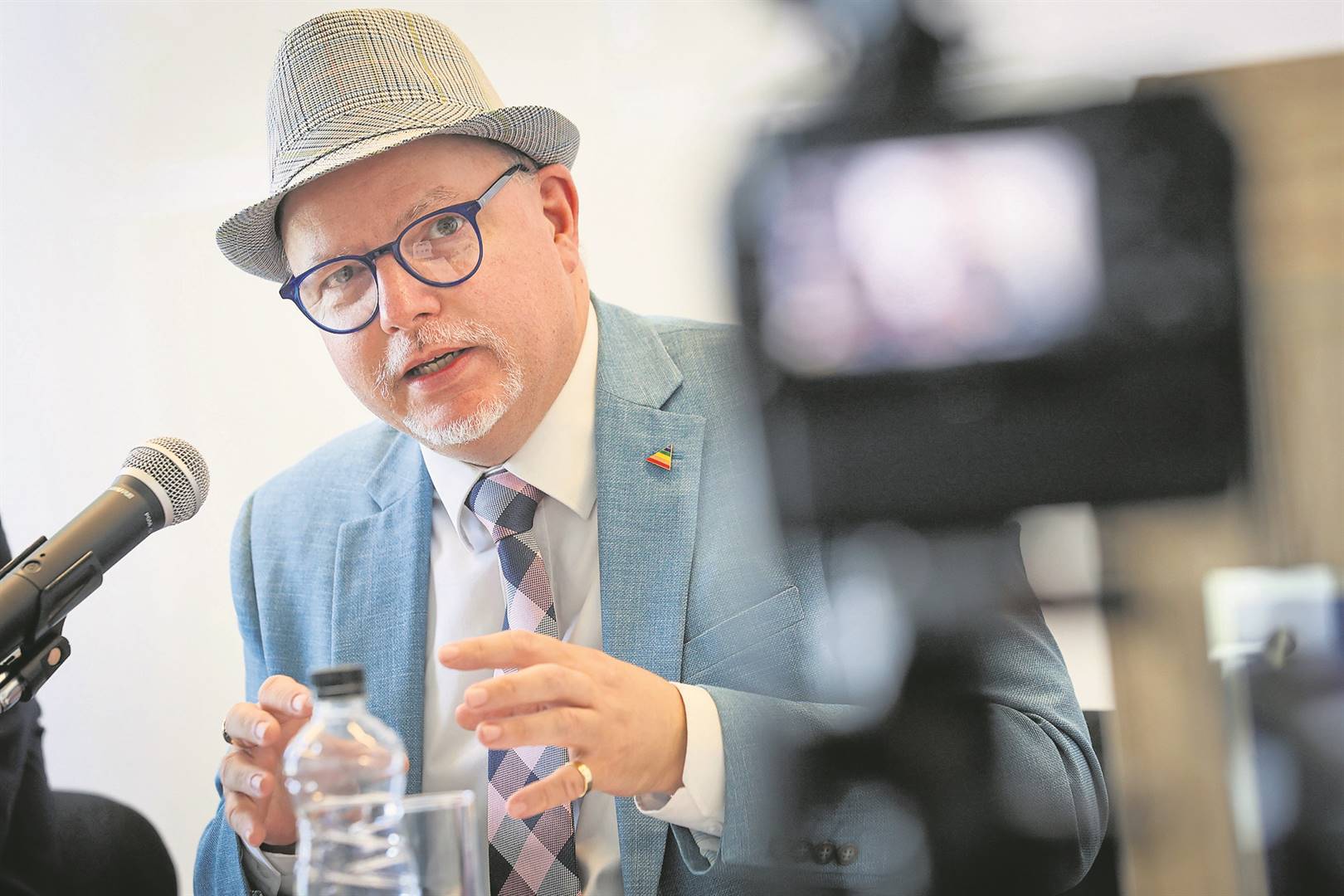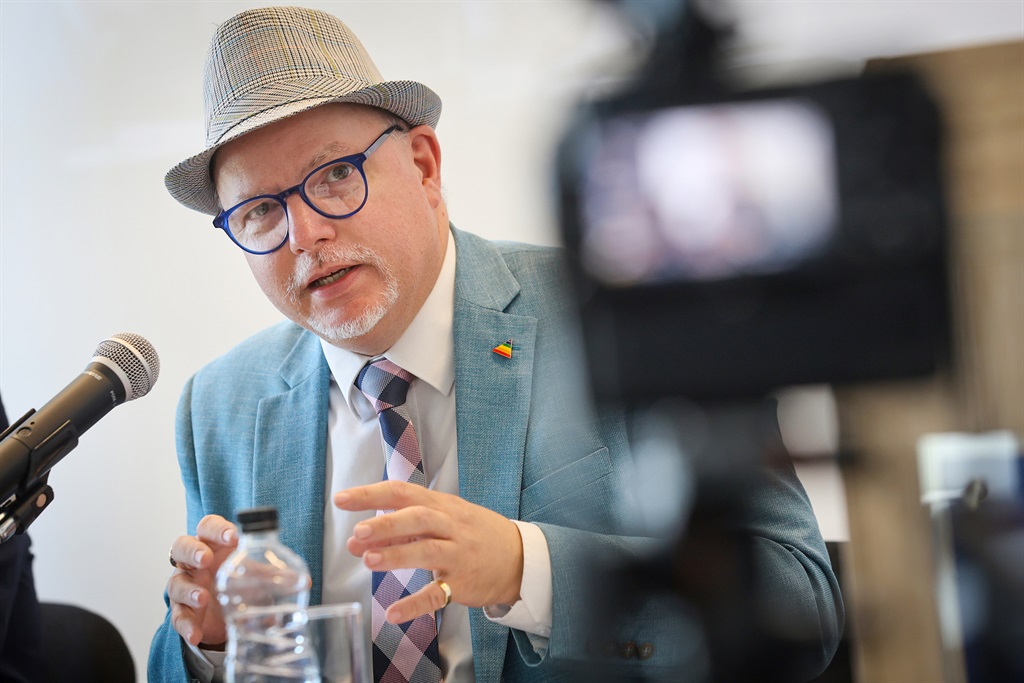

The University of the Western Cape (UWC), through its Institute for Social Development (ISD), hosted the inaugural UNESCO Chair in Wellbeing, Gender Equity and Education Symposium from 12 to 14 May.
University of Minnesota
Held in partnership with the University of Minnesota, Christ University and the University of the Free State, the symposium brought together scholars, policymakers, researchers and postgraduate students to discuss the links between education, gender equity and wellbeing in the Global South.
Opening the event, UWC Rector and Vice-Chancellor Professor Robert Balfour said the symposium reflected the university’s values.
“The scholarly work that we are looking at today is also fundamentally about Ubuntu, being together and feminism. I mention that because in all our thinking about how we frame this symposium and its programme, we must recognise the transformative impetus that underpins the importance of this Chair. I want to acknowledge how much this aligns with our institution’s vision for itself and how grateful we are that you have come all this way to come here.”
The three-day programme included keynote addresses, panel discussions, doctoral and postdoctoral research sessions, and a writing and publication workshop.
The UNESCO Chair in Education, Wellbeing and Gender Equity links institutions in Africa, India and the United States. It aims to strengthen international partnerships, advance research on wellbeing and equity, and build the capacity of junior researchers.
At UWC, the ISD serves as the academic home for the Chair, combining research in social policy, economics and governance to address poverty, inequality and human development.
Africa’s population is projected to reach 2,5 billion by 2050, with two in every five children globally expected to be African. This growth will increase the need for education, equity and wellbeing, making the Chair’s work increasingly important.
Dr Simba
The keynote address was delivered by Dr Precious Simba, co-chair of the UNESCO Chair on Intercultural Competence. “Much of contemporary wellbeing discourse remains tethered to an individualist imaginary, resilience, optimisation, coping, self-care, productivity and flourishing. The individual subject often remains the starting point of wellbeing. We are largely indifferent to the relational constitution of the self. This is where Ubuntu can offer an intervention – not as a replacement framework – but as serious conceptual work that is still in a transitional moment.”
Over the three days, researchers presented work on gender and racial inequalities, education policy, livelihoods and economic wellbeing. Panel discussions explored structural barriers, institutional change and practical ways to advance gender equity and wellbeing. The final day focused on helping emerging scholars strengthen their writing and publication skills.
READ ONLY: UWC seminar discusses the vulnerability of sex workers