

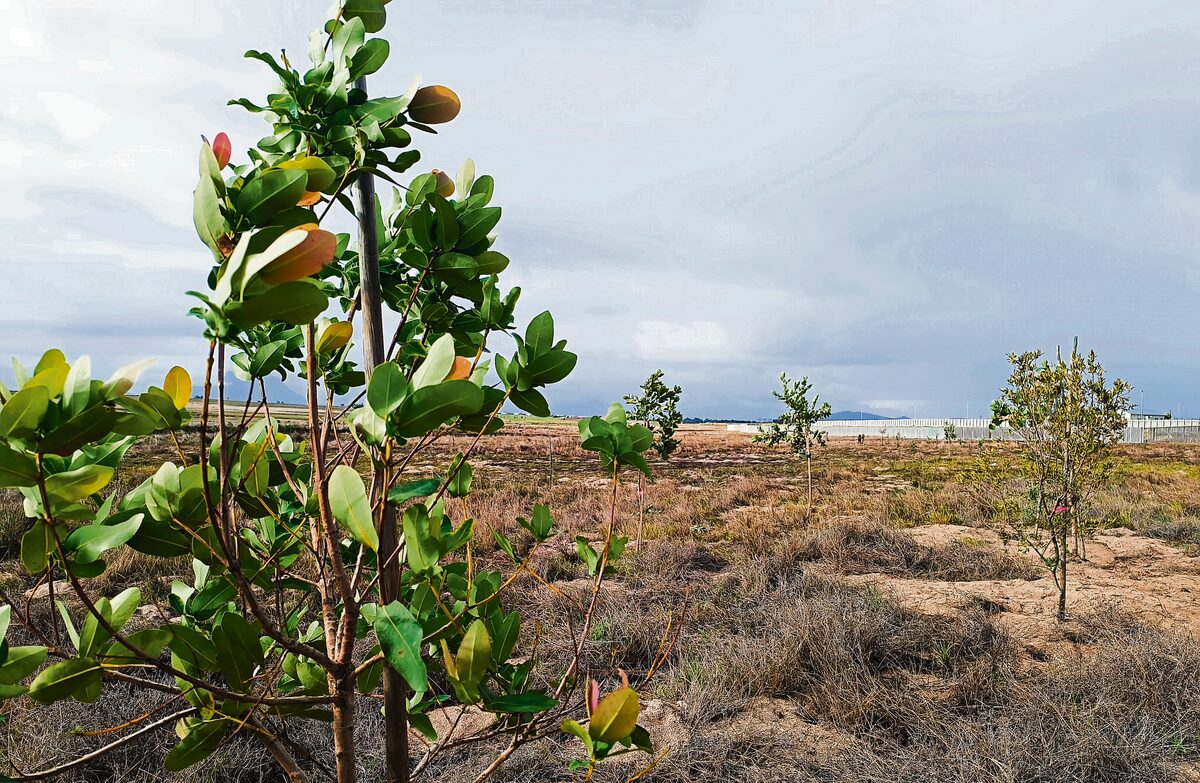
In celebration of Earth Day, the Mosselbank River became the focus of a vibrant community-driven conservation effort this past Saturday, during which 130 trees were planted.
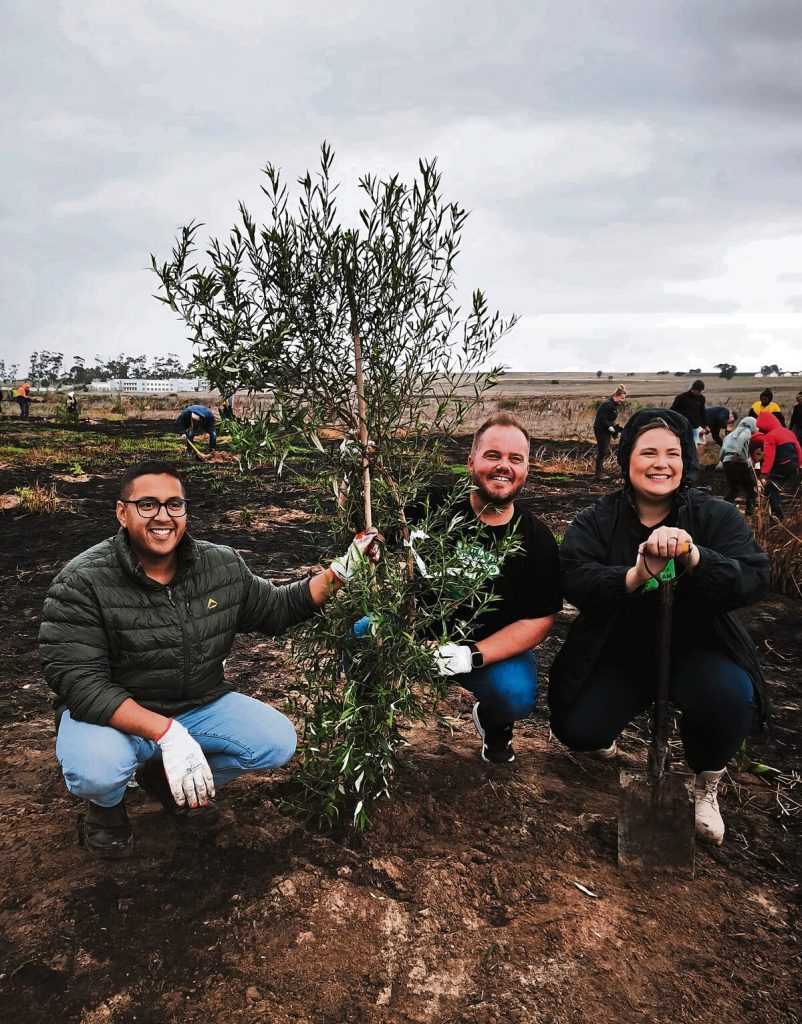
The Mosselbank River Conservation Team (MRCT), in partnership with the City of Cape Town’s water and sanitation directorate and the Durbanville Lions Club, hosted the tree planting marathon that drew strong local support.
Approximately 50 residents joined forces with organisers and partner organisations to plant the trees, as well as 200 river rehabilitation plants along the riverbanks and open spaces.
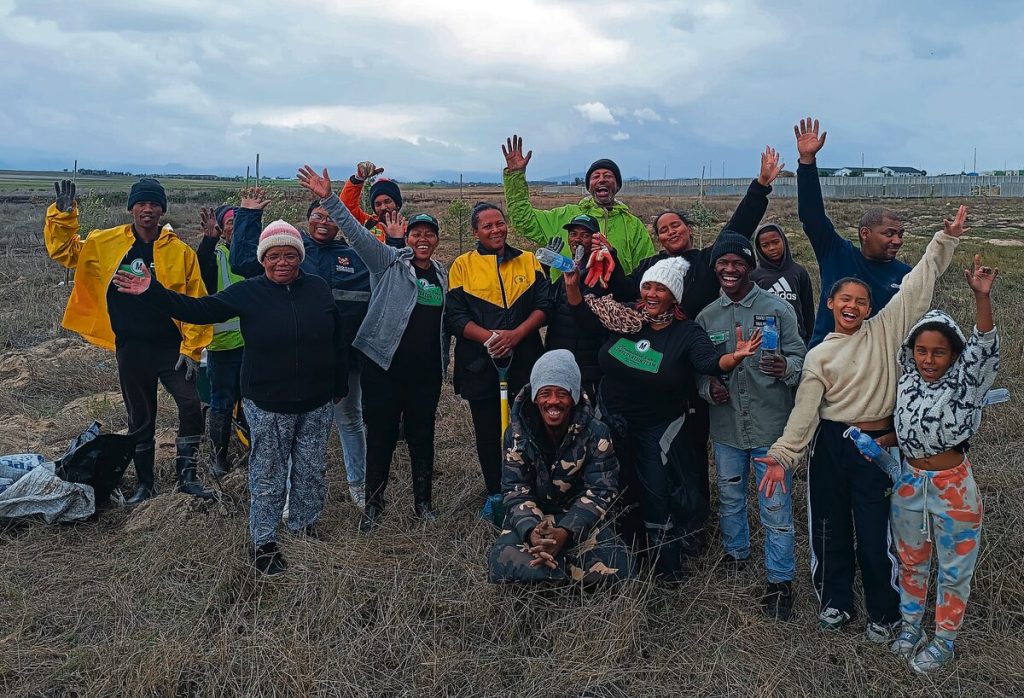
“The initiative aimed to restore and protect the natural ecosystem while fostering a sense of environmental stewardship within the community,” said Danielle Cronje, director and co-founder of MRCT.
Made possible by contributions
The event was made possible through contributions from several organisations. Buchu Farm in Durbanville donated 100 trees, while the City of Cape Town’s recreation and parks department provided an additional 35 trees, Cronje said.
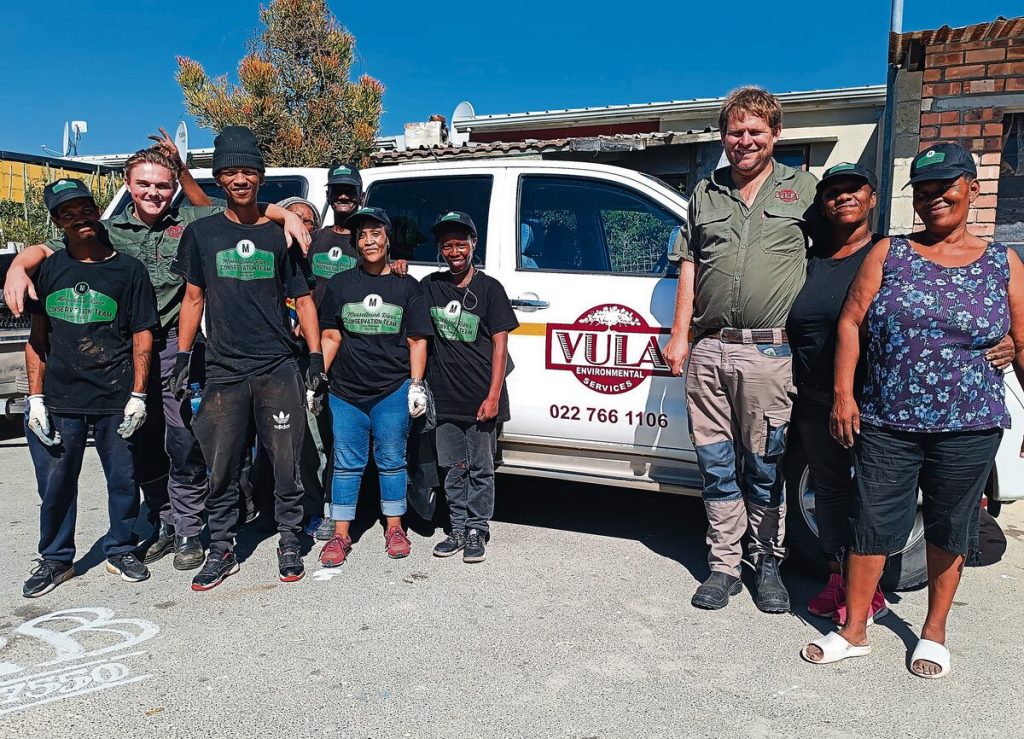
Compost was supplied by Osdam Farm in Greenville Garden City and Vula Environmental Services contributed 200 river plants for rehabilitation efforts.
“Hydration for volunteers was generously provided by Smuts and Co, with further support from the Lions Clubs of Durbanville, Table View and Northpine, and the Fairmont High School Representative Council for Learners,” Cronje added.
Protecting environment
“At Buchu Farm, we believe in co-creating with nature and playing an active role in protecting our environment,” Armand Stemmett of Buchu Farm said.
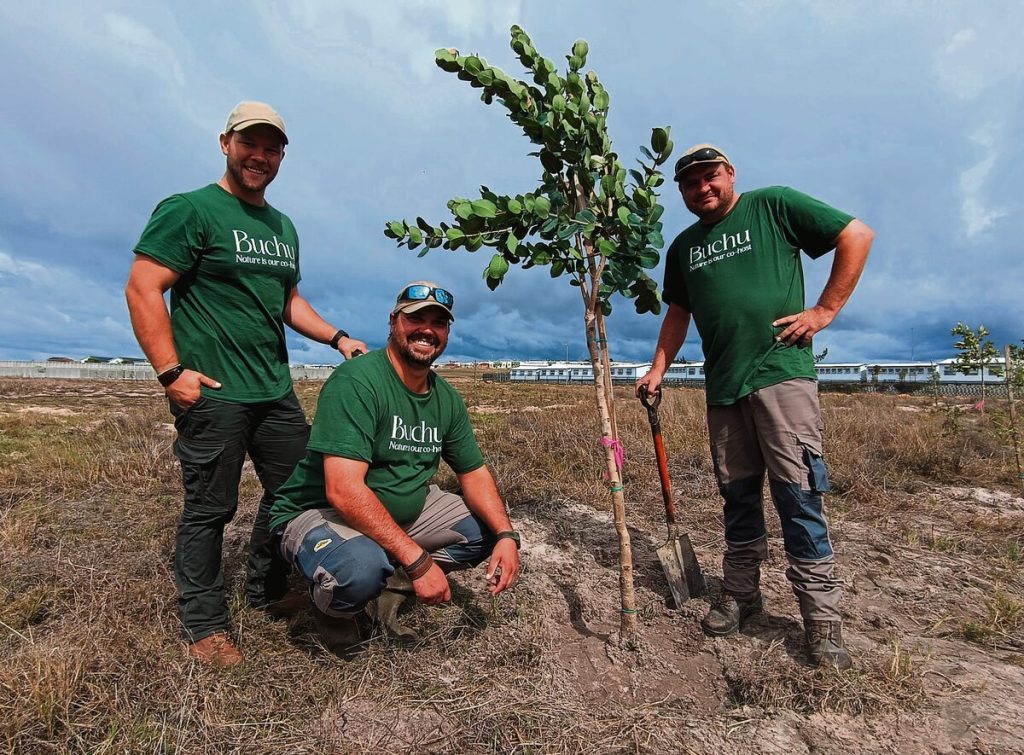
“Supporting initiatives like those along the Mosselbank River and working closely with the Fisantekraal community, are causes we are deeply passionate about. Donating these trees is one small way we can contribute to a more sustainable and connected future,” he said.
Stabilise riverbanks
“Organisers highlighted the environmental benefits of the planting effort – noting that the newly established vegetation will help stabilise riverbanks, reduce soil erosion, and enhance biodiversity by creating habitats for birds, insects and small wildlife. In addition, the initiative contributes to carbon sequestration – playing a role in climate change mitigation, while also improving the aesthetic and recreational value of the area through greener, shaded public spaces,” Cronje continued.
A variety of indigenous species were planted, including Waterberry (Syzygium cordatum), Wild Olive (Olea africana), False Olive (Buddleja saligna), Monkey Thorn (Acacia galpinii), Kei Apple (Dovyalis caffra), Euclea racemosa, Gymnosporia buxifolia, Grewia occidentalis, and Diospyros austro-africana.
“These species were selected for their suitability to the local environment and their role in supporting ecological balance,” Cronje said.
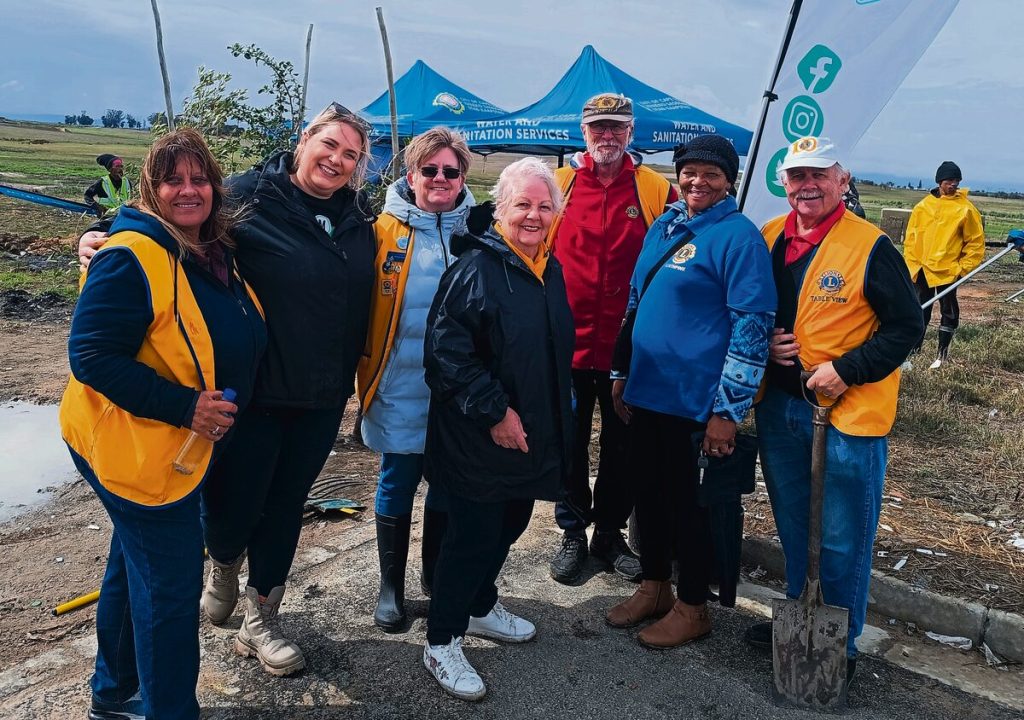
She thanked each partner for making this day possible “and for believing in the MRCT”.
“Events like this stand as a testament to the impact of collaborative conservation efforts and community involvement – reinforcing the importance of local action in addressing global environmental challenges,” Cronje said.
If you would like to contribute to the conservation and education efforts made by the MRCT, send an email to mosselbankconservationteam@gmail.com.
READ ALSO: MRCT celebrates World Wetlands Day with community clean-up of river


You must be logged in to post a comment.