

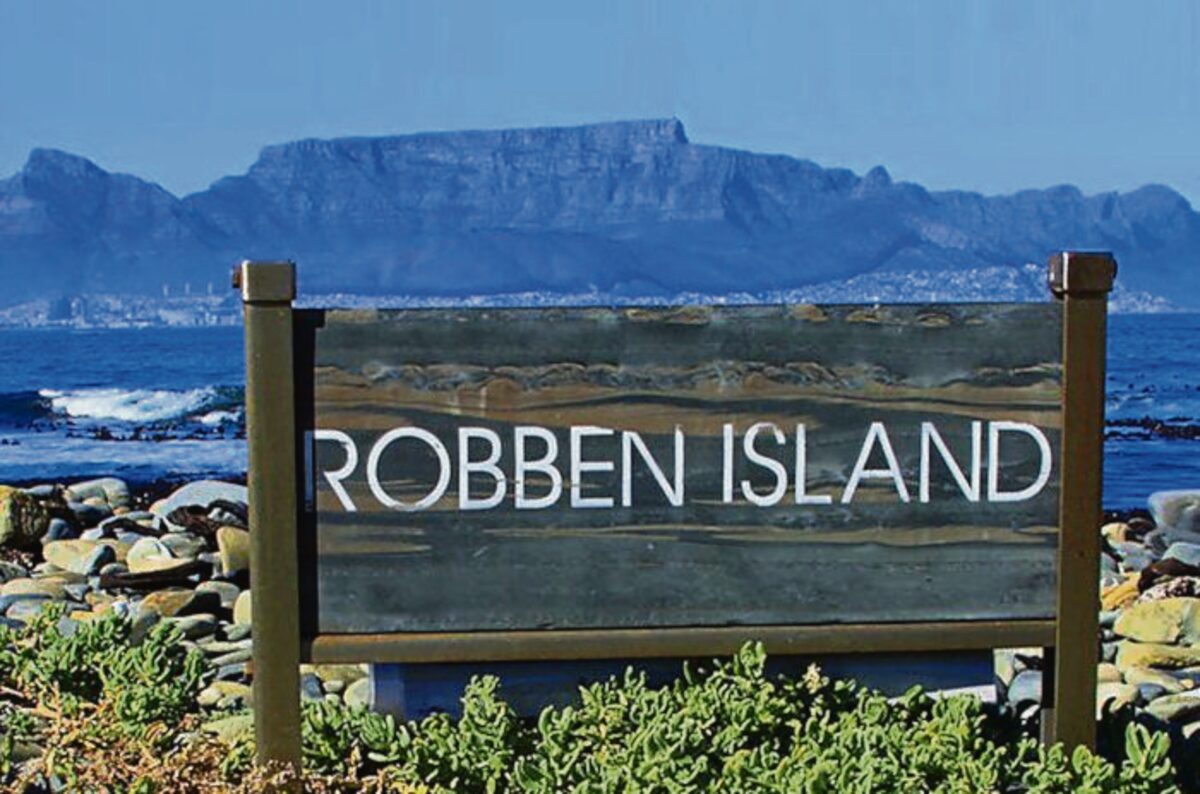
The proposed plan to develop about 100 former prison guard houses on Robben Island into overnight tourist accommodation has raised concerns on social media about the protection of the site’s historical significance.
This will allow visitors to stay overnight rather than returning to the mainland after a few hours.
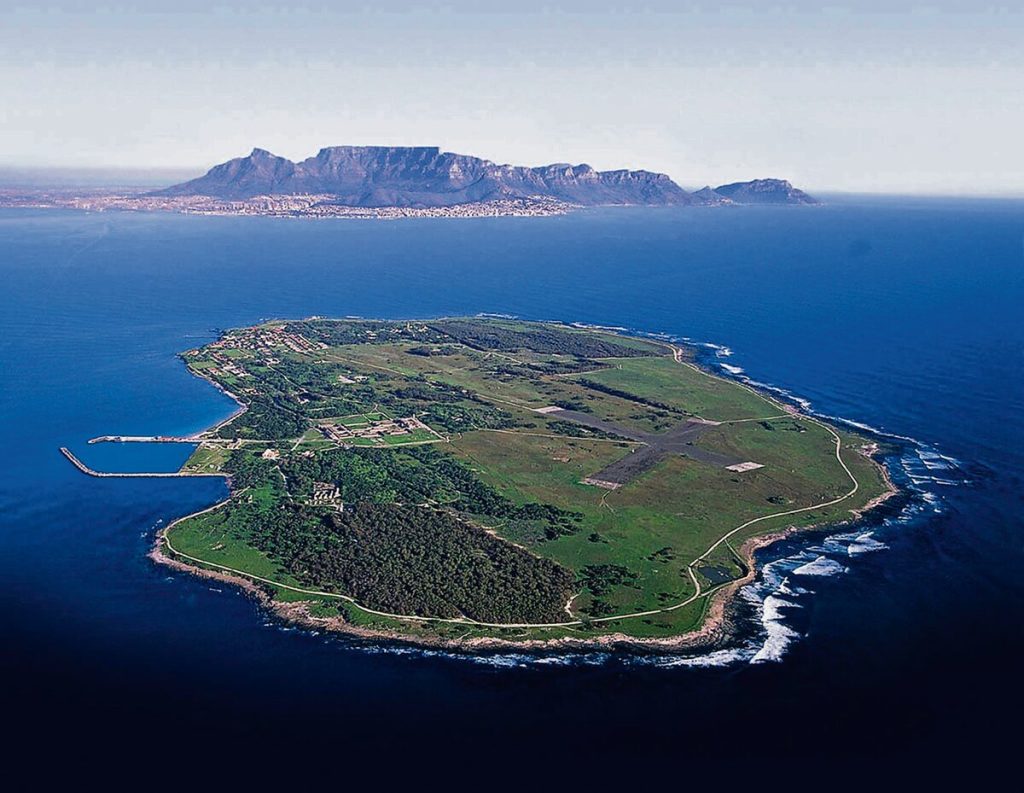
Robben Island was declared a Unesco World Heritage Site in 1999 for its profound cultural significance. It is best known for the maximum security prison which housed Nelson Mandela for 18 years of his 27 years spent imprisoned. It was also used as a leper colony in the 19th century and as a base by the British army during the Second World War.
Overnight lodging
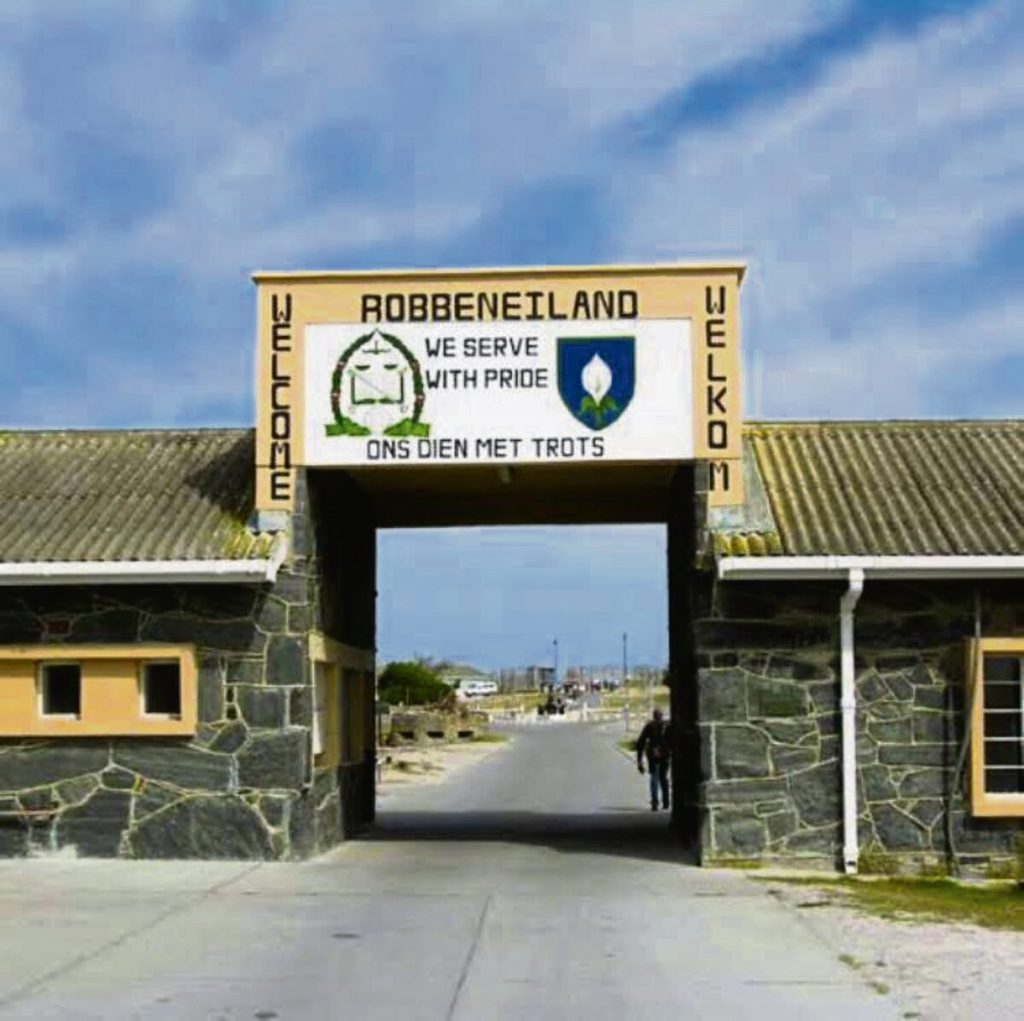
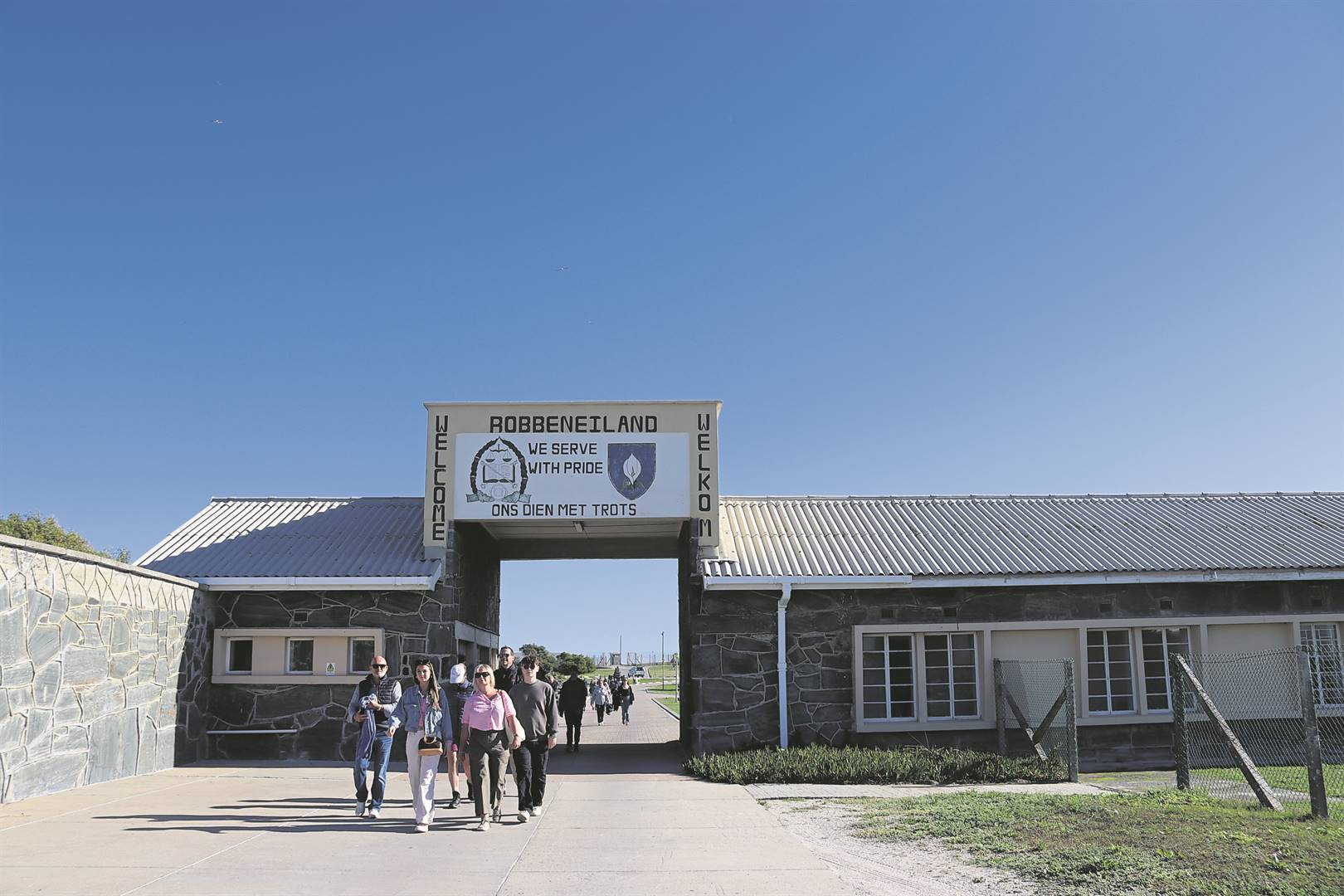
Today the island is a museum, reflecting on Mandela’s years there and globally recognised as a symbol of South Africa’s struggle against apartheid. It is one of the most popular tourist attractions in Cape Town and attracts thousands of visitors every year.
The island, named after seals, is also an important site for both seals and African penguins.
The Robben Island Museum is considering to repurpose the houses into overnight lodging, with one house currently serving as a pilot project. Approximately R70 million has been allocated for the upgrades and conversions of the buildings.
Not all against the plan
However, not all heritage guardians are against the ambitious plans. Durbanville Heritage Society, when approached for comment, said in a statement that it is not against the restoration of the homes to the former condition, “provided that it remains authentic and preserves the historical period and stays true to the original character of the island prison”.
“The footprint should be unique to the time and not be commercialised. Furthermore, the special historical and natural character of the island and the buildings on it, should be protected. According to news reports, the Robben Island Museum guaranteed that the restoration and conversion of the now derelict guards’ homes, will not undermine the value of the area and that the balance between tourism and the maintenance of historical heritage will be maintained. The purpose is to generate an income that will ensure long-term financial sustainability,” Jaco Maritz, chair, and Georina Westrat, vice-chair of Durbanville Heritage Society, said in a combined statement.
“When historic buildings are not meaningfully used, they deteriorate systematically, and there are many examples. The state simply does not have the means or sometimes the motivation to preserve historical buildings. Sensitive development and use is the only option that guarantees long-term viability. If the project is approached correctly, it can succeed. We would nevertheless like to see the detailed plans before one can say whether they are on the right track. There should be a transparent public participation process where experts can provide input,” Maritz added.
Museum defend the project
In response to the social media outcry about, among other things, the project being “in poor taste” and “that not everything should be commercialised”, the museum issued a statement to defend the project.
It emphasised that the initiative forms part of a broader strategy focused on sustainable tourism and heritage preservation. The guard houses — once symbols of apartheid — will be “adaptively reused” while maintaining their historical integrity. Revenue generated from overnight stays is expected to support conservation efforts, educational programmes and ongoing maintenance of the site, according to the statement.
The museum also highlighted that the accommodation will not only cater to tourists, but also provide space for researchers, educators, artists and students engaged in heritage and human rights work.
Necessary permits
According to the statement, the initiative aims to transform spaces associated with oppression into environments that promote reflection, dialogue and reconciliation. The project has reportedly received the necessary permits, and stakeholder engagement has been conducted in line with regulatory requirements.
READ ALSO: Sport sustained hope for prisoners on Robben Island




You must be logged in to post a comment.