

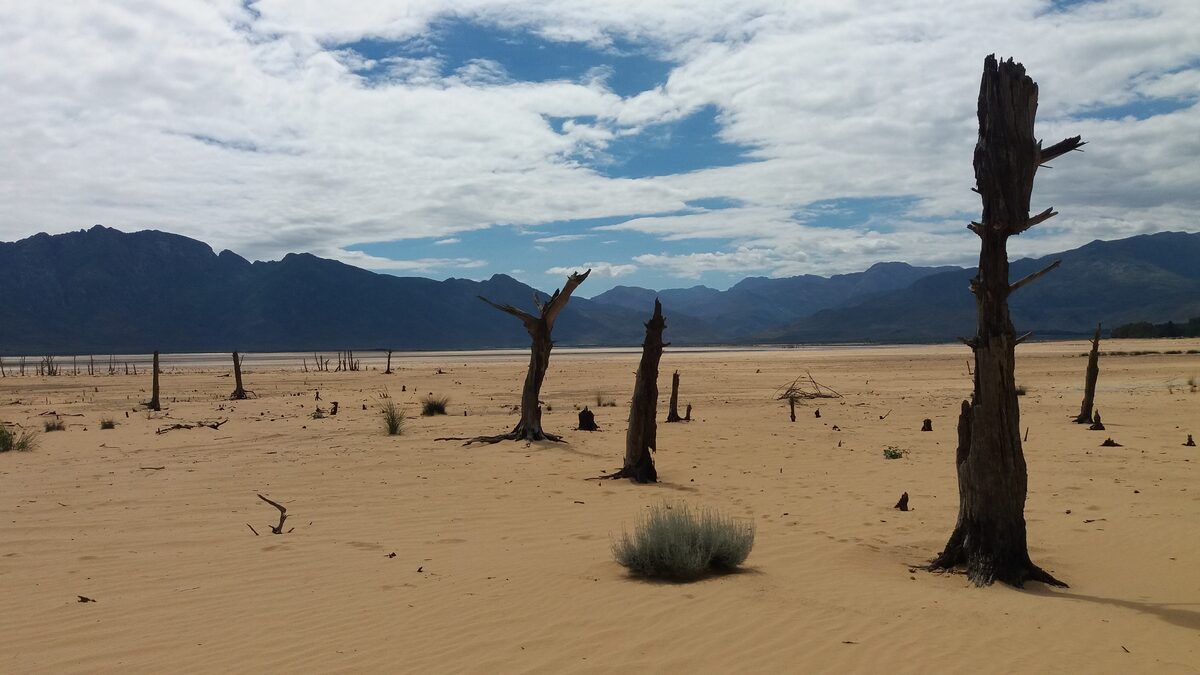
A University of Western Cape (UWC) study has revealed a worrying trend in Cape Town’s groundwater reserves, with 80% of monitored boreholes showing significant declines over a 17-year period — raising fresh concerns about the city’s water security.
The research, led by Dr Sesethu Fikileni from UWC’s department of earth science, analysed groundwater data from 2007 to 2024. It found water level drops ranging from nearly two metres to as much as 17 metres across the city.

The findings come at a critical time for Cape Town, with dam levels currently sitting at 47.8%. City officials are warning that water restrictions could be reintroduced later this year if daily consumption doesn’t decrease.
Double-layered aquifer system confirmed
Fikileni’s PhD research, conducted alongside fellow researchers Sandiso Zulu and Thokozani Kanyerere, used sophisticated mathematical modelling to study both the Cape Flats aquifer system and Malmesbury shale aquifer system.The study confirmed that Cape Town’s main aquifer is double-layered, with rock formations allowing water movement between upper and lower levels.
Seasonal patterns reveal vulnerability
The research revealed clear seasonal patterns, with groundwater levels rising after winter rains and becoming shallow between August and October. However, during dry periods — particularly the severe drought from 2017 to 2019 — groundwater levels dropped significantly.
Boreholes drawing from the shallow Cape Flats aquifer were especially vulnerable during these dry conditions.
ALSO READ: No jokes- Cape Town’s dam levels drop
While some boreholes showed rising groundwater levels, researchers attributed these increases to irrigation, infrastructure leaks, or water seeping from deeper aquifers rather than natural replenishment.
Urban development reducing natural recharge
The study also highlighted how increasing urban development is reducing natural groundwater recharge by limiting rainwater absorption into the ground. In many cases, human activities such as water extraction, irrigation and leaking infrastructure had more influence on groundwater levels than rainfall alone.
Critical need for better modelling
Fikileni emphasised the importance of accurate groundwater modelling for policy decisions. “To address the challenges of sustainable groundwater management, it is crucial to have a good understanding of the current status and to forecast future states of this indispensable resource,” he said.
“Modelling is the cornerstone for future preparedness during extreme weather events like droughts and floods.”
The researchers warned that treating Cape Town’s aquifer as a single water layer could lead to misleading results and poor management decisions. Instead, they argue that groundwater planning, monitoring and modelling must recognise the dual nature of the aquifer system.
Long-term water security concerns
The study’s findings add to growing concerns about Cape Town’s long-term water security, particularly as climate change brings more frequent and severe droughts to the Western Cape region.
With groundwater serving as a crucial backup during dry periods, the declining levels highlight the need for more sophisticated water management strategies and continued monitoring of these underground reserves.



You must be logged in to post a comment.