The Middle East war entered a potentially pivotal phase this weekend as US President Donald Trump signalled possible de-escalation while military operations continued across the region. The following provides a detailed overview of the latest developments from Friday and Saturday.
Trump said on Friday he is considering “winding down” military operations against Iran, even as Israeli forces launched fresh strikes on Tehran and the United States deployed thousands more Marines to the region.
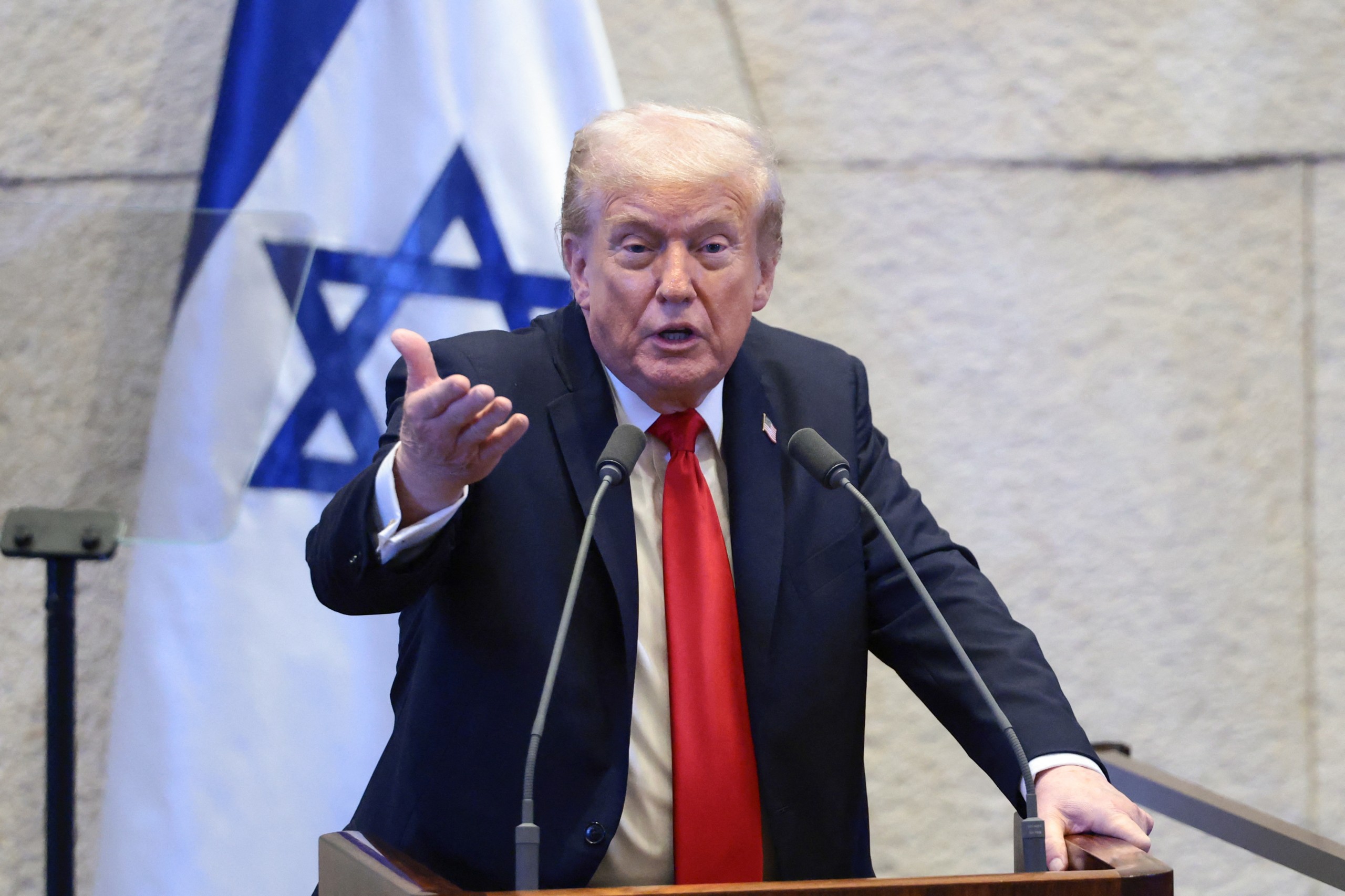
“We are getting very close to meeting our objectives as we consider winding down our great Military efforts in the Middle East with respect to the Terrorist Regime of Iran,” Trump posted on Truth Social.
However, Trump ruled out reaching a ceasefire agreement with Iran and said the Strait of Hormuz would need to be “guarded and policed” by other countries who use the vital waterway.
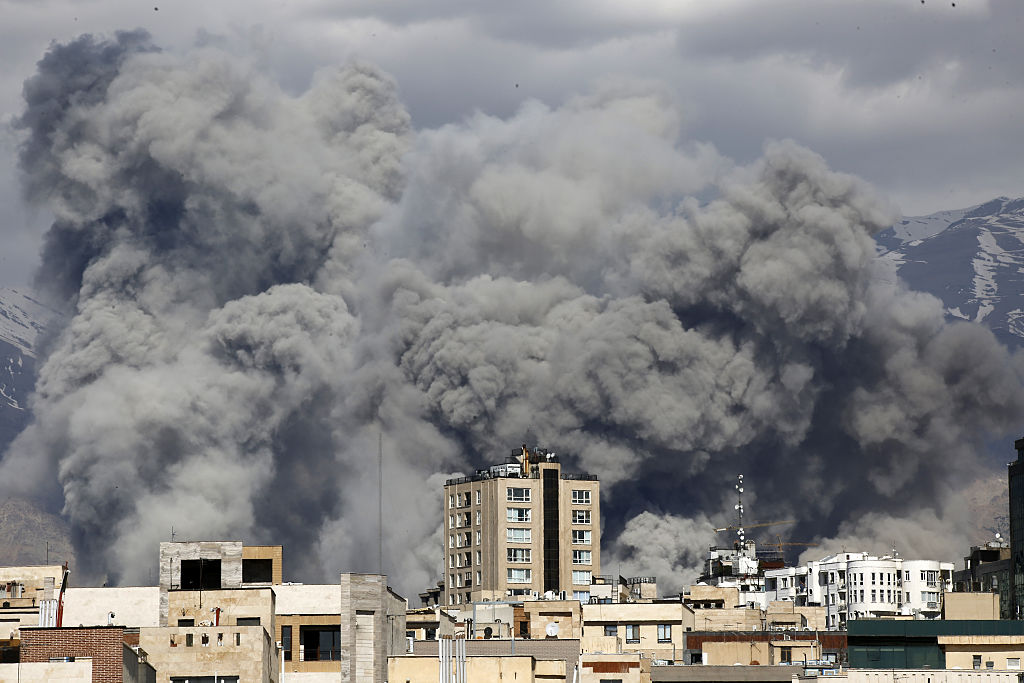
The comments came as the Israeli military said it launched strikes on “regime targets” in Tehran early on Saturday. Israel said it had “identified missiles launched from Iran toward the territory of the State of Israel” at least three times within six hours.
The developments follow three weeks of intense military action that began on 28 February with a massive US-Israeli air campaign against Iran. Tehran has responded with waves of drones and missiles, as well as attacks on ships transiting the Strait of Hormuz, which handles a fifth of global crude trade during peacetime.
Marines deploy amid Kharg Island threat
US media reported on Friday that between 2 200 and 2 500 Marines from the California-based USS Boxer Amphibious Ready Group and 11th Marine Expeditionary Unit are being deployed to the Middle East. The deployment comes just one week after a separate contingent of approximately 2 500 Marines were sent to the region.
The Marine Corps confirmed that the USS Boxer Amphibious Ready Group and 11th Marine Expeditionary Unit are “deployed at sea”, while the US 3rd Fleet said they are “conducting routine operations”.
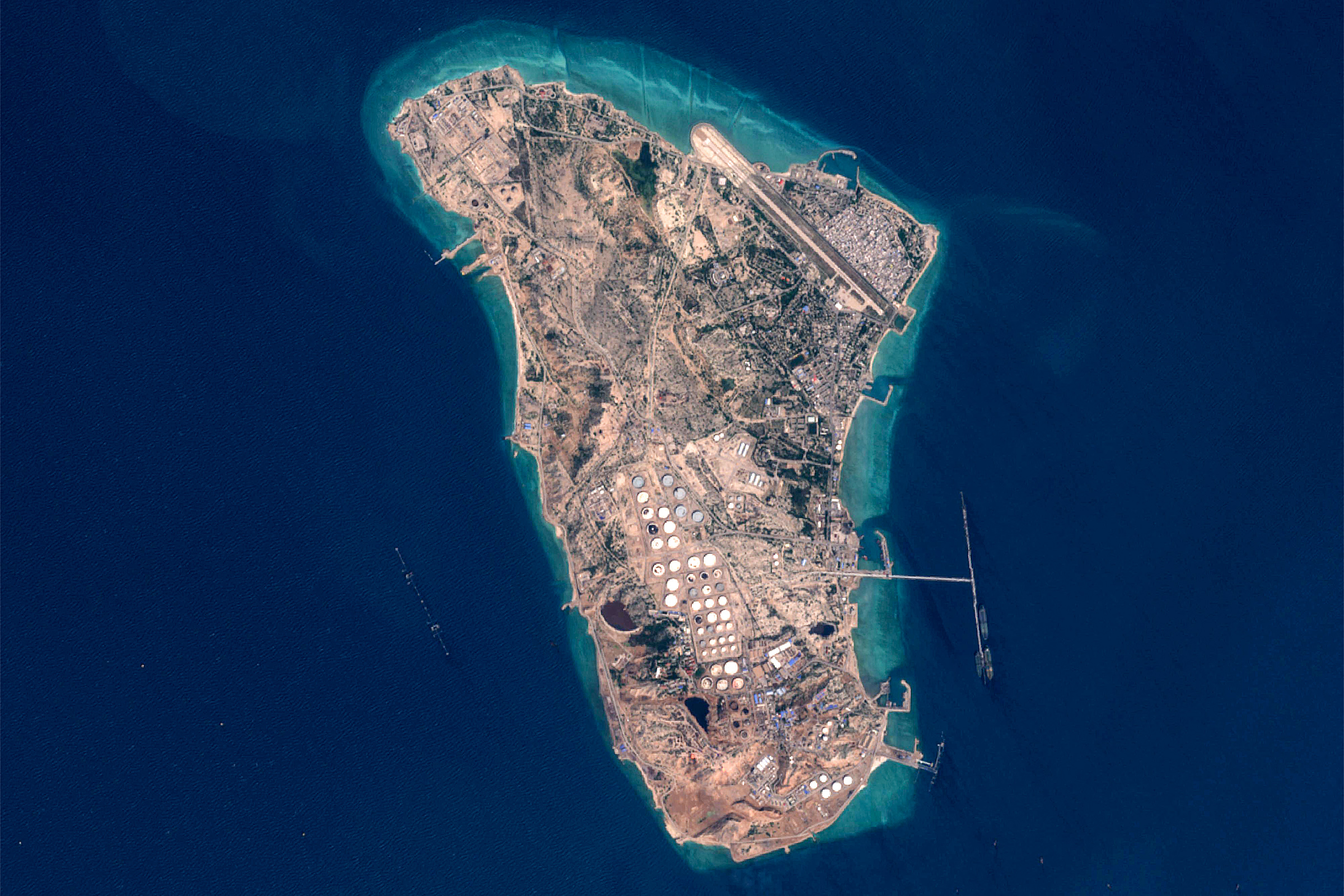
The deployments come as the White House said the United States could “take out” Iran’s Kharg Island oil facility at any time. White House Principal Deputy Press Secretary Anna Kelly said on Friday that the US military could strike the strategic island “at any time if the President gives the order”.
According to Axios, the Trump administration is weighing plans to seize Kharg Island as a means of pressuring Iran to reopen the Strait of Hormuz. Such a mission could fall to US Marines.
Iran offers safe passage to Japan
Despite the escalating conflict, Iran said it is willing to help Japanese ships sail the Strait of Hormuz. Foreign Minister Abbas Araghchi told Kyodo News in a telephone interview on Friday that countries attacking Iran face restrictions while others were being offered assistance.
Araghchi denied closing the passageway and said Iran was prepared to ensure safe passage for Japan.
Iran said earlier it had “no surplus crude oil” to offer to international markets, after the US Treasury temporarily lifted sanctions on Iranian oil already loaded onto vessels, allowing deliveries until 19 April. The move followed the easing of sanctions for Russian oil already at sea, as Washington seeks to stem a global supply crunch caused by the de facto closure of the Strait of Hormuz.
Iran targets distant military base
Iran recently fired two ballistic missiles toward the joint US-UK military base at Diego Garcia in the Indian Ocean, The Wall Street Journal reported on Friday, citing US officials.
Neither missile hit the target, which is around 4 000 kilometres from Iranian territory, but the launch suggests that Tehran has missiles with longer ranges than previously thought, the report said. The Pentagon declined to comment when contacted by AFP.
The report emerged as Britain authorised the use of its bases by the United States to strike Iranian sites threatening the Strait of Hormuz shipping lane. Since the war began on 28 February, Britain has let US forces use two bases for defensive operations and has deployed air assets to support allies targeted by Tehran’s regional retaliatory campaign.
Britain’s foreign minister Yvette Cooper earlier warned her Iranian counterpart Abbas Araghchi “against targeting UK bases, territory or interests directly” in a phone call on Thursday. Iran’s foreign ministry stated that Araghchi told Cooper any US use of British bases would be considered “participation in aggression” against Iran.
Regional strikes intensify
The Israeli military said it launched a wave of strikes on Lebanon’s capital Beirut early on Saturday targeting Hezbollah, after urging residents of several areas to evacuate. Lebanese state media said an Israeli air strike hit a house in a southern town, killing one person and wounding two others.
In Lebanon, Hezbollah said it targeted Israeli soldiers in six south Lebanon villages and a Merkava tank, as Israeli ground forces attempt to push into the southern part of the country.
Saudi Arabia’s defence ministry said it had intercepted dozens of drones overnight in the country’s east. Neighbouring Kuwait’s military said its air defence systems were responding to a missile and drone attack on Saturday.
AFP journalists reported hearing several blasts in the eastern and northern parts of Tehran on Friday as Iranians celebrated Nowruz. Separately, Israel’s military announced it was launching strikes in Iran’s Noor region on the shores of the Caspian Sea, a day after conducting its first attacks on Iranian targets near the body of water.
A blast struck a hillside just inside Jerusalem’s Old City on Friday after warnings of incoming missiles from Iran, creating a crater and spraying debris across a road just a few hundred metres from the Al-Aqsa Mosque, the Western Wall and the Church of the Holy Sepulchre.
Iran claims victory as leader remains hidden
In a written message for the Persian New Year, Nowruz, Iran’s supreme leader Ayatollah Mojtaba Khamenei claimed that enemies of the Islamic republic were being defeated. “At the moment, due to the particular unity that has been created between you our compatriots… the enemy has been defeated,” he said.
Khamenei, who succeeded his father Ali Khamenei after the latter was killed in an air strike at the start of the war, has yet to appear in public since assuming leadership. He also denied that Iran and allied forces were behind recent attacks on Oman and Turkey, instead blaming “deception by the Zionist enemy”.
Iran’s military threatened to hunt down US and Israeli officials and army commanders “even while they were on holiday or visiting entertainment centres”. Armed forces spokesman Abolfazl Shekarchi said: “We are watching your cowardly officials and commanders, pilots and wicked soldiers.”
International response
President Trump escalated tensions with America’s NATO allies on Friday, branding them “cowards” on his Truth Social platform for refusing to provide military assistance to control the Hormuz Strait. “COWARDS, and we will REMEMBER!” [sic] he wrote.
France’s foreign minister Jean-Noel Barrot, visiting Israel, said Iran must make “major concessions” as part of any long-term political solution to the conflict.
In other developments, NATO announced it has fully relocated its Iraq mission to Europe, with the last personnel from the non-combat force of several hundred departing the country. The UAE said it arrested at least five members of a “terrorist network” linked to Iran and Hezbollah, which the group denied.
ALSO READ: Africa ‘exposed’ to Middle East war