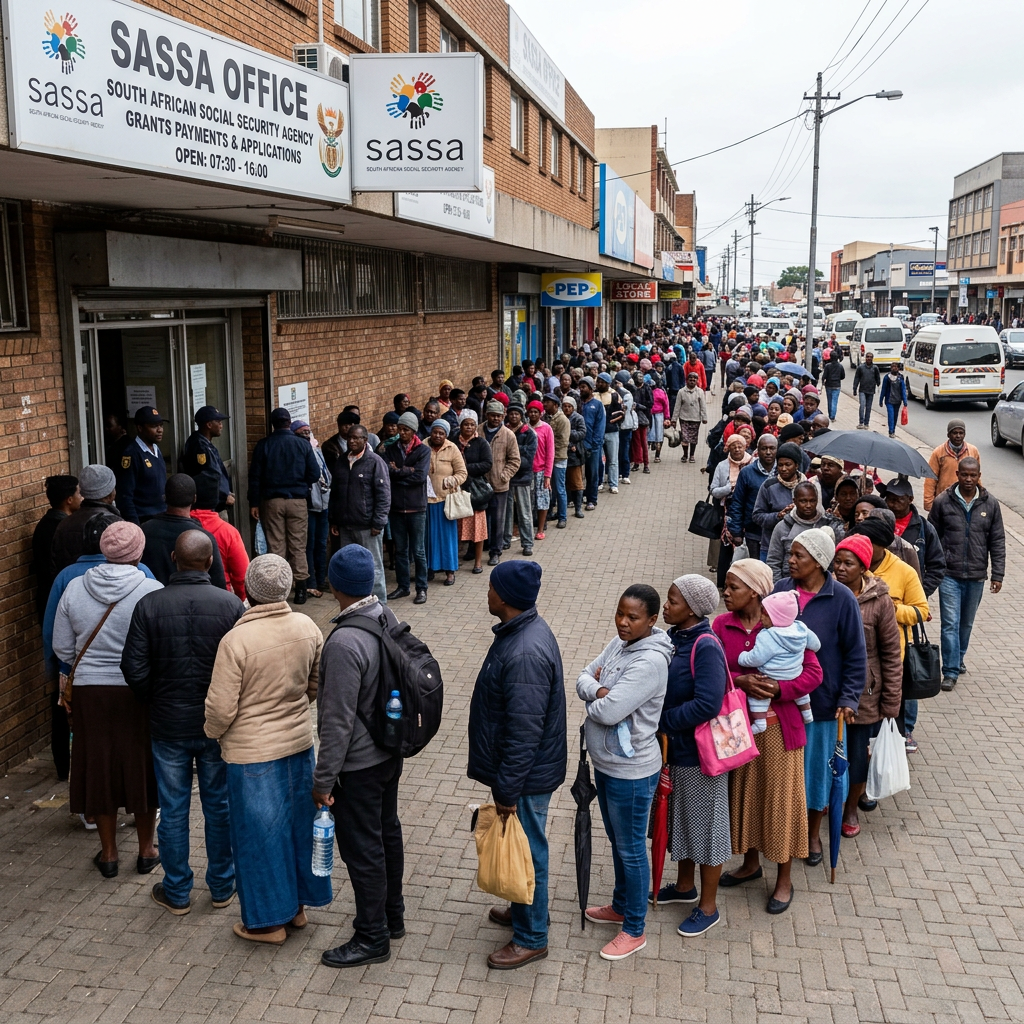
Nearly one in seven South Africans have missed work, school, college or university because they could not afford transport, according to research by Ipsos.
The findings from the Ipsos Khayabus “Pulse of the People” study show that 15% of South Africans aged 15 and older said they had at some point not gone to work, school, college or university because they could not afford transport.
Most South Africans (68%) said they had never experienced this.
When projected to South Africa’s population aged 15 and older, 15% represents approximately 6.9 million people.
The survey was conducted before the September fuel price adjustment.
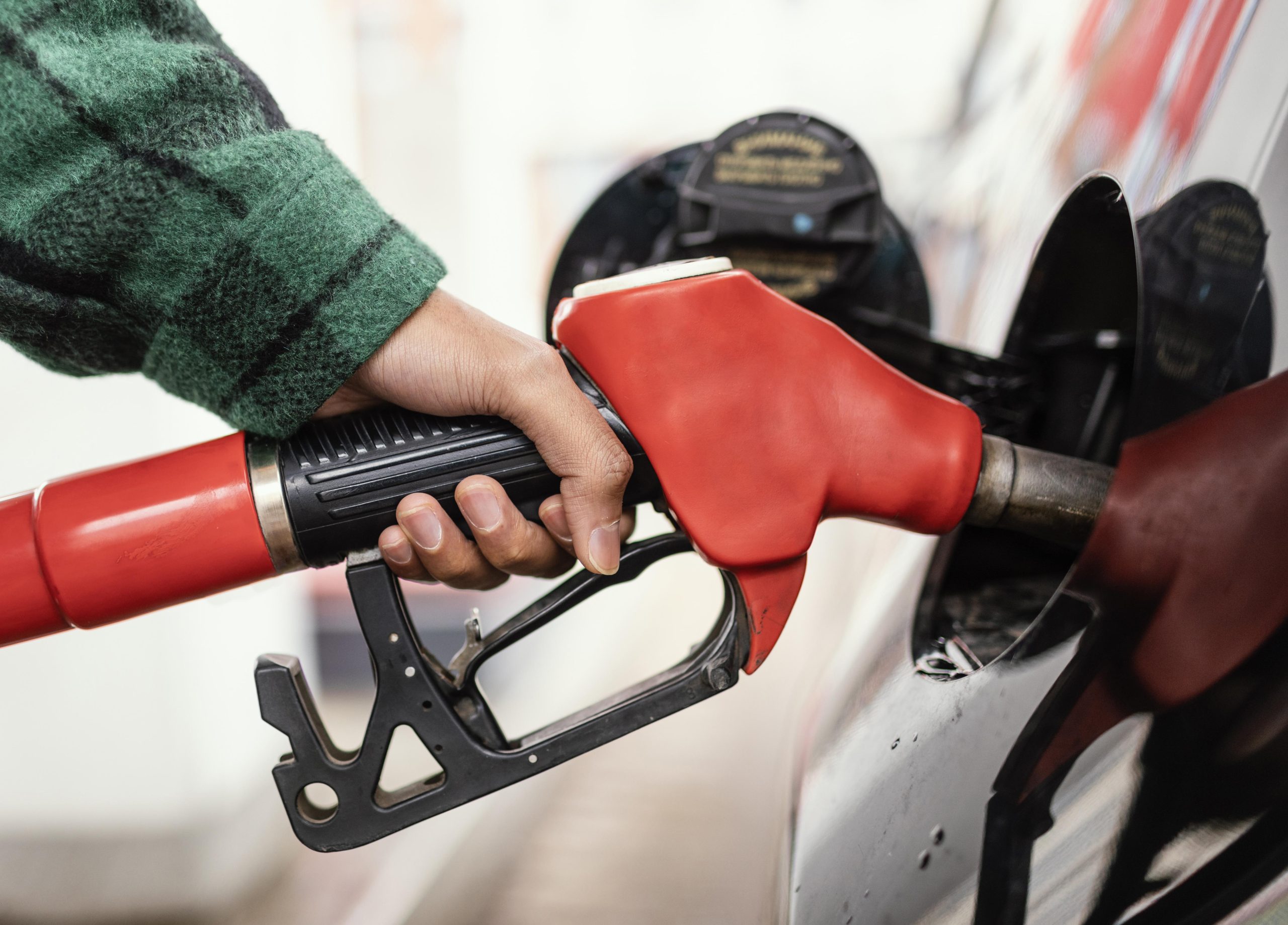
According to the Fuels Industry Association of South Africa, inland 95 unleaded petrol increased from R25.58 per litre in August to R26.92 per litre in September, while inland 93 unleaded increased from R25.42 to R26.76 per litre. Coastal 95 unleaded increased from R24.71 to R26.05 per litre.
Petrol prices increased by 26% since the beginning of the year.
Those aged 25 to 34 represent 23% of South Africa’s population, with one in five (20%) reporting that they have missed work or education because they could not afford transport. Among those aged 35 to 49, the figure was 16%, while 11% of South Africans aged 50 and older reported having experienced the same challenge.
More than a quarter (27%) of respondents living in households with no household income reported having missed work or education because they could not afford transport.
South Africans living in households earning between R2 500 and R4 999 per month are also among the most affected, with 19% reporting that they had missed work or education for the same reason.
This was 16% among households earning between R5 000 and R7 999 and those earning between R8 000 and R11 999. The incidence fell to 12% among households earning more than R12 000 per month.
The Free State recorded the highest proportion of residents reporting that they have missed work or education because of transport costs (20%), followed by the Northern Cape (18%) and Gauteng (17%).
Natalie Otte, country manager at Ipsos in South Africa, said transport connects people to opportunity.
“When people cannot afford to travel, they may be missing job opportunities, losing income, falling behind in their studies, and becoming further disconnected from economic participation,” she said.