
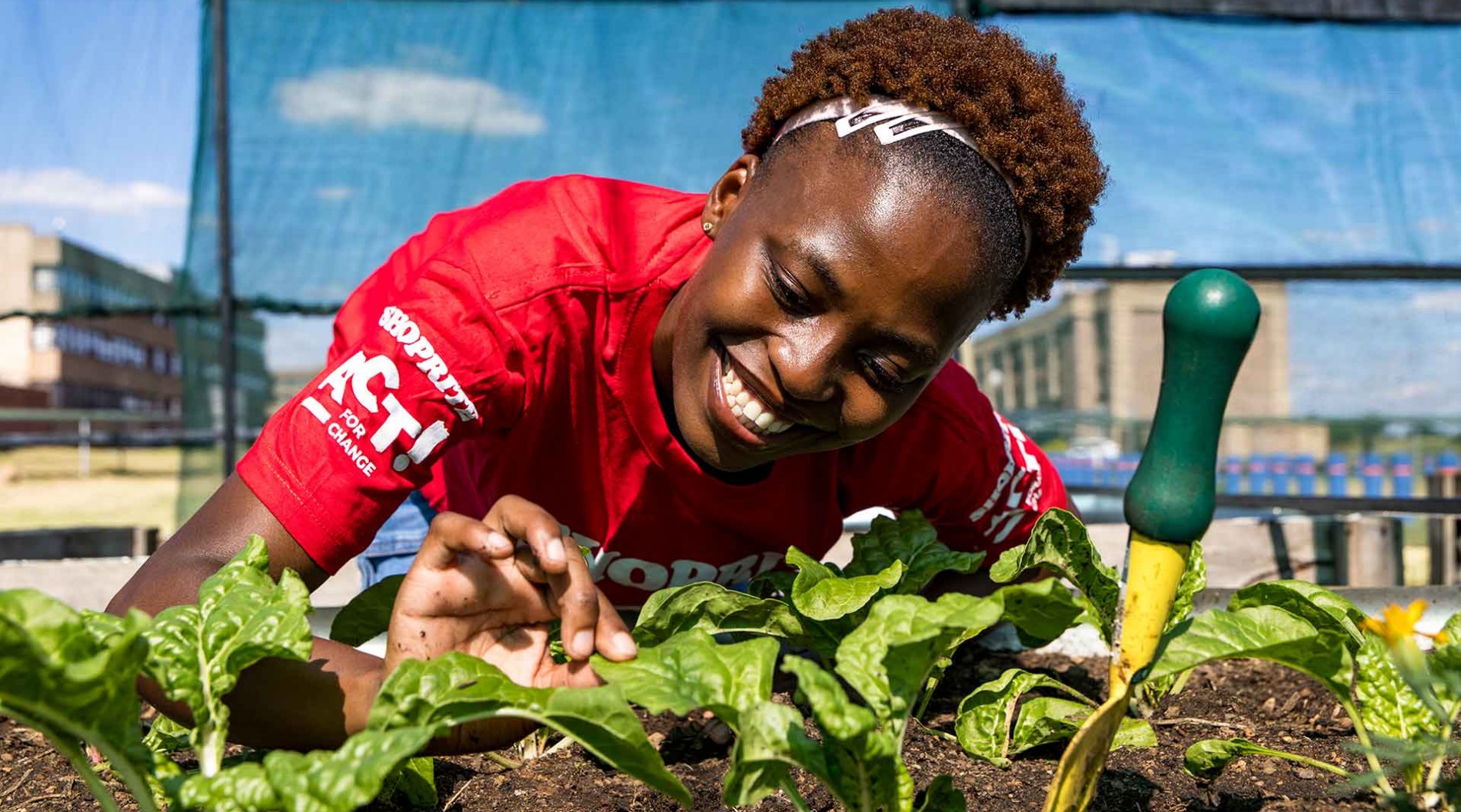
Nearly 600 community food gardens from across South Africa have entered Shoprite’s inaugural Act for Change Food Garden Competition, with the top 10 finalists now announced following a rigorous judging process.
The competition, launched by Shoprite in October 2025, celebrates community gardens that are growing food, creating opportunity and building resilience in communities from Bolla Tau in Mpumalanga to Gonubie in the Eastern Cape.
The finalists represent a diverse range of projects, including rural and township gardens, school-based initiatives, cooperatives and women and youth-led programmes. Together, the gardens provide thousands of people with access to fresh produce while creating opportunities for skills development, income generation and environmentally sustainable practices.
“The judging process considered not only agricultural output but also community reach, sustainability, skills transfer and social impact. The top 10 gardens exemplify these criteria, showing how community-led programmes can ensure access to healthy, nutritious food,” said Sanjeev Raghubir, chief sustainability officer at the Shoprite Group.
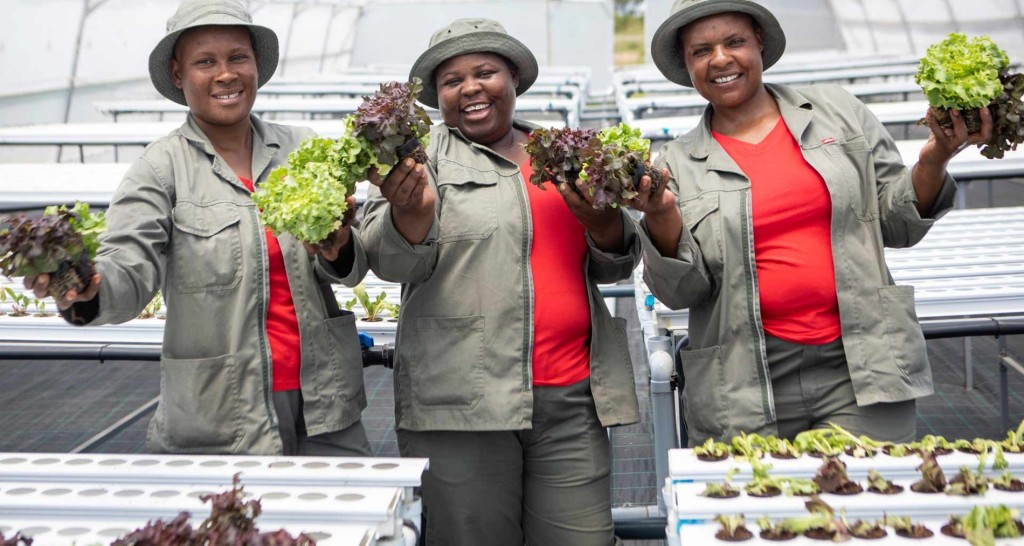
The finalists include A Spring of Hope Community Eco Hub in Acornfield, Mpumalanga, which has supported more than 100 000 beneficiaries since growing from a single borehole drilled in 2006. The hub equips rural women with hydroponics, permaculture and business training.
In Limpopo, the ACFS Khunadi Food Garden in Mogoto Village supports about 50 people every month, supplying fresh vegetables to feeding programmes while training women and youth in small-scale farming.
The Agrinode Garden in Bela-Bela, Limpopo, supplies vegetables to about 100 households in need and provides agricultural training to unemployed youth. The project received the Best Female Subsistence Farmer award in 2024.
Also in Limpopo, Bafepi Mix Farming and Project in Mahlogo village trains 25 students in practical farming skills and donates surplus produce to churches and crèches.
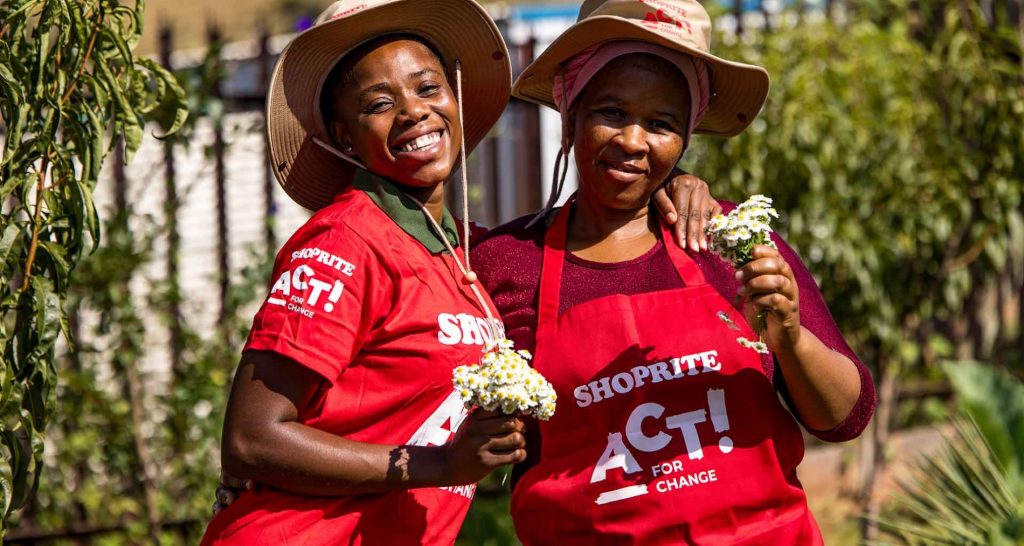
The Food Security Project in Gonubie, Eastern Cape, supports 162 women who tend their own plots. Founded 11 years ago, the project provides seedlings, tools and ongoing training in organic farming, water preservation and waste recycling.
In Gauteng, Hope Park Children’s Health Campus Garden in Krugersdorp feeds more than 350 learners from four local schools and supplies fresh produce to 27 households each month.
The Ngxanga School Garden in Libode, Eastern Cape, supports 243 learners every month and five households, teaching children to grow and enjoy nutritious vegetables.
P Agricultural Group in Soweto provides vegetables to more than 150 families every Christmas and offers agricultural training through regular farmers markets.
Plenty Green Africa in Tsakane serves around 20 households, transforming underused urban spaces into community hubs while tackling youth unemployment.
The SMU Community Garden at Sefako Makgatho Health Sciences University in Ga-Rankuwa provides free produce to students in need and has trained more than 20 students in composting, planting and biodiversity management within three years.
A panel of guest judges, including agricultural entrepreneur Masimbonge Vuma, gardening advocate Mosa Seshoene, urban farming pioneer Ncumisa Mkabile and comedian and broadcaster Angel Campey, will select six finalists from the top 10 gardens.
The winning gardens will be announced on 10 March at an awards ceremony in Cape Town and will receive prizes valued at R1 million, tailored to their specific needs.
“Through the Act for Change Food Garden Project, we are reinforcing our long-term commitment to sustainable interventions that help communities thrive,” Raghubir said.


You must be logged in to post a comment.