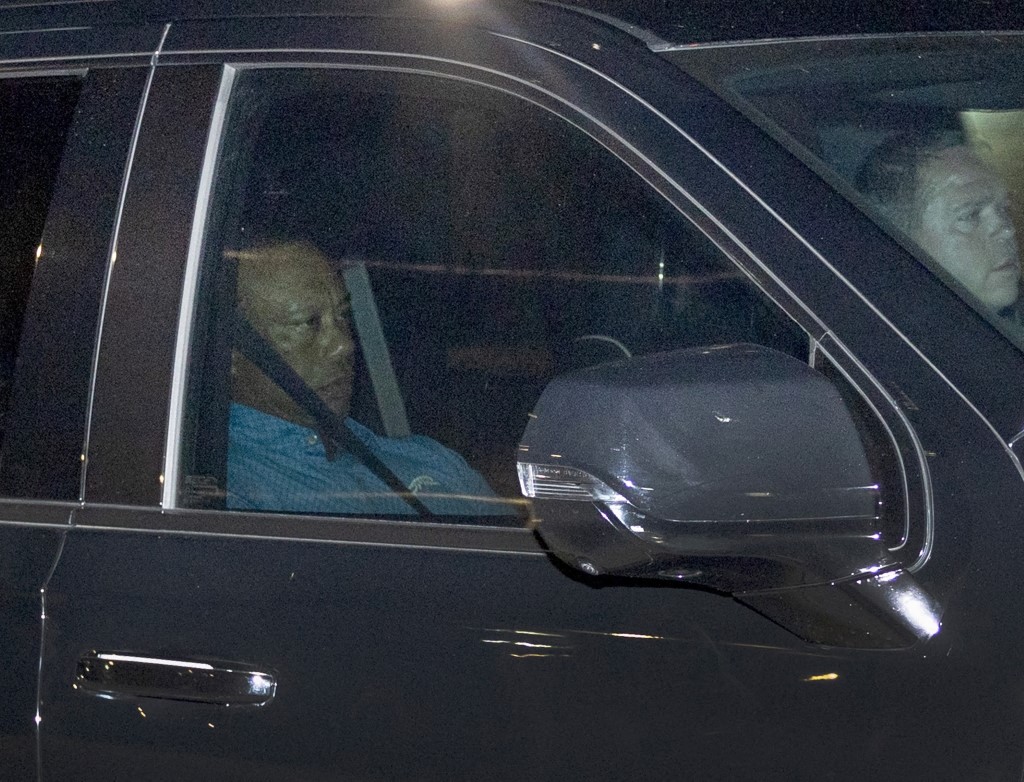
Tiger Woods’s already turbulent legal nightmare has taken another ominous turn after a Florida judge ruled that prosecutors can access his prescription drug records in connection with his March arrest on suspicion of driving under the influence.
Judge Darren Steele approved an agreement between Woods’s defence attorney and prosecutors during a brief hearing at Martin County circuit court on Tuesday, opening a window into the golf icon’s medical history that his legal team had fought to keep sealed. The 50-year-old superstar, who did not attend the proceedings, now faces the prospect of his prescription medication history becoming central evidence in a criminal case that threatens to further tarnish his once-glittering reputation.
Court documents revealed that both parties hammered out a compromise that grants prosecutors access to the records whilst implementing a protective order designed to shield the information from public scrutiny. The records will remain off-limits under Florida’s open records law and will only be available to prosecutors, law enforcement officials, expert witnesses and Woods’s defence team.
It represents a significant concession after Woods’s attorney Douglas Duncan initially opposed the prosecution’s April request to subpoena the records, arguing that his client possessed a fundamental right to privacy unless the state could demonstrate the documents’ relevance to the criminal investigation.
The crash that changed everything
The legal drama stems from a March 27 road accident that saw Woods’s SUV clip a truck whilst attempting an overtaking manoeuvre on a residential road. The vehicle flipped onto its side before sliding to a halt, with the golf legend forced to climb out through the passenger side window.
Authorities determined Woods had not been drinking alcohol, a crucial detail that initially suggested a less serious incident. However, officers noted he appeared impaired, and a search revealed two pills containing hydrocodone, an opioid painkiller, in his pocket. When asked to submit to a urine analysis test, Woods refused, a decision that would add another charge to his mounting legal troubles.
The 15-time major champion was subsequently charged with misdemeanour DUI, refusal to submit to a lawful test and distracted driving.
Prosecutors dig deep
April’s prosecution request for medical records left no stone unturned. The state demanded access to “any and all prescription medication” on file for Woods, including dates and times prescriptions were filled, dosage amounts, instructions and “all warnings including but not limited to operating a motor vehicle while taking the prescription”.
It’s an exhaustive trawl through Woods’s pharmaceutical history, one that prosecutors clearly believe holds the key to proving impairment at the time of the crash. The comprehensive nature of the request suggests the state is building a case that extends beyond the hydrocodone tablets found in Woods’s possession.
Woods’s explanation to officers at the scene painted a picture of driver inattention rather than deliberate recklessness. He told police he had been looking at his phone and hadn’t realised the truck and trailer ahead had slowed, resulting in the collision that sent his SUV tumbling.
Context matters, and Woods’s physical condition provides crucial background to understanding the prescription medication at the centre of this case. The golf icon has endured multiple back operations and underwent extensive surgeries to repair severe leg injuries suffered during a February 2021 car crash in California.
That previous accident, in which Woods’s vehicle rolled several times after leaving the road at high speed, left him with compound fractures and required emergency surgery involving rods, screws and pins to stabilise his shattered leg. The recovery process has been long, painful and clearly necessitated substantial pain management medication.
Days after the March incident, Woods released a statement acknowledging he was “stepping away for a period of time to seek treatment and focus on my health.” The court granted permission for him to leave the country, and reports suggest he entered a treatment facility in Switzerland, though neither Woods nor his representatives have confirmed the location.