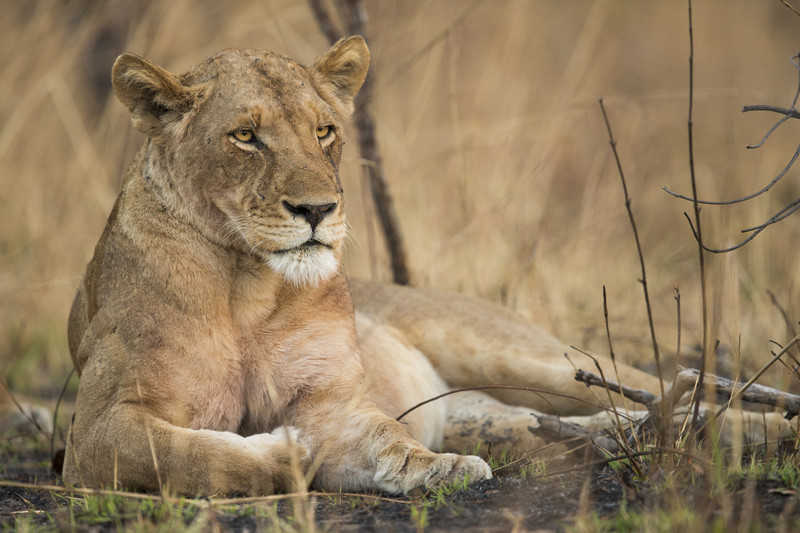
Three lionesses have died from suspected heatstroke at a Tokyo zoo, with several others still receiving treatment as Japan’s humidity proves deadly for the big cats.
Tama Zoological Park confirmed the deaths occurred between Friday and Tuesday, with ten of the zoo’s 16 lions showing symptoms since mid-July including loss of appetite and reduced activity.
A zoo spokeswoman said their veterinarian suspects heatstroke as the cause, with post-mortem examinations revealing dehydration and multiple organ failure in the animals.
“Even though lions are thought to be resistant to heat, zoo keepers have been strengthening countermeasures to cope with Japan’s summer heat in recent years,” she explained. “Heat here comes with high humidity; that is different from heat with dry air in Africa.”
The deaths follow an abrupt temperature spike after the rainy season ended in late July. Parts of Japan have recorded temperatures of 40°C in recent weeks, meeting the criteria for the newly designated “cruelly hot day” classification.
The zoo has increased cooling measures, including water sprinkling, improved ventilation and spot air conditioners. Several lions remain under veterinary care.
The animal deaths mirror a broader public health crisis. Between 20 and 26 July, close to 18 600 people were hospitalised for heatstroke across Japan, with 45 pronounced dead on arrival at medical facilities.
Japan records approximately 1 300 heat-related deaths each year and has set a target to halve this figure by 2030.
Last year saw Japan’s hottest summer on record, with the country’s highest ever temperature of 41.8C registered in Isesaki, north of Tokyo, on 5 August 2025.
Scientists have linked the increasing frequency and intensity of extreme heat events in Japan to human-induced climate change.
Authorities have already adjusted scheduling for cultural and sporting events due to the heat, including the World Cosplay Summit in Nagoya, which held its final summer edition last weekend.
ALSO READ: Extreme heatwave grips Australia, sparking evacuations and disrupting tennis