

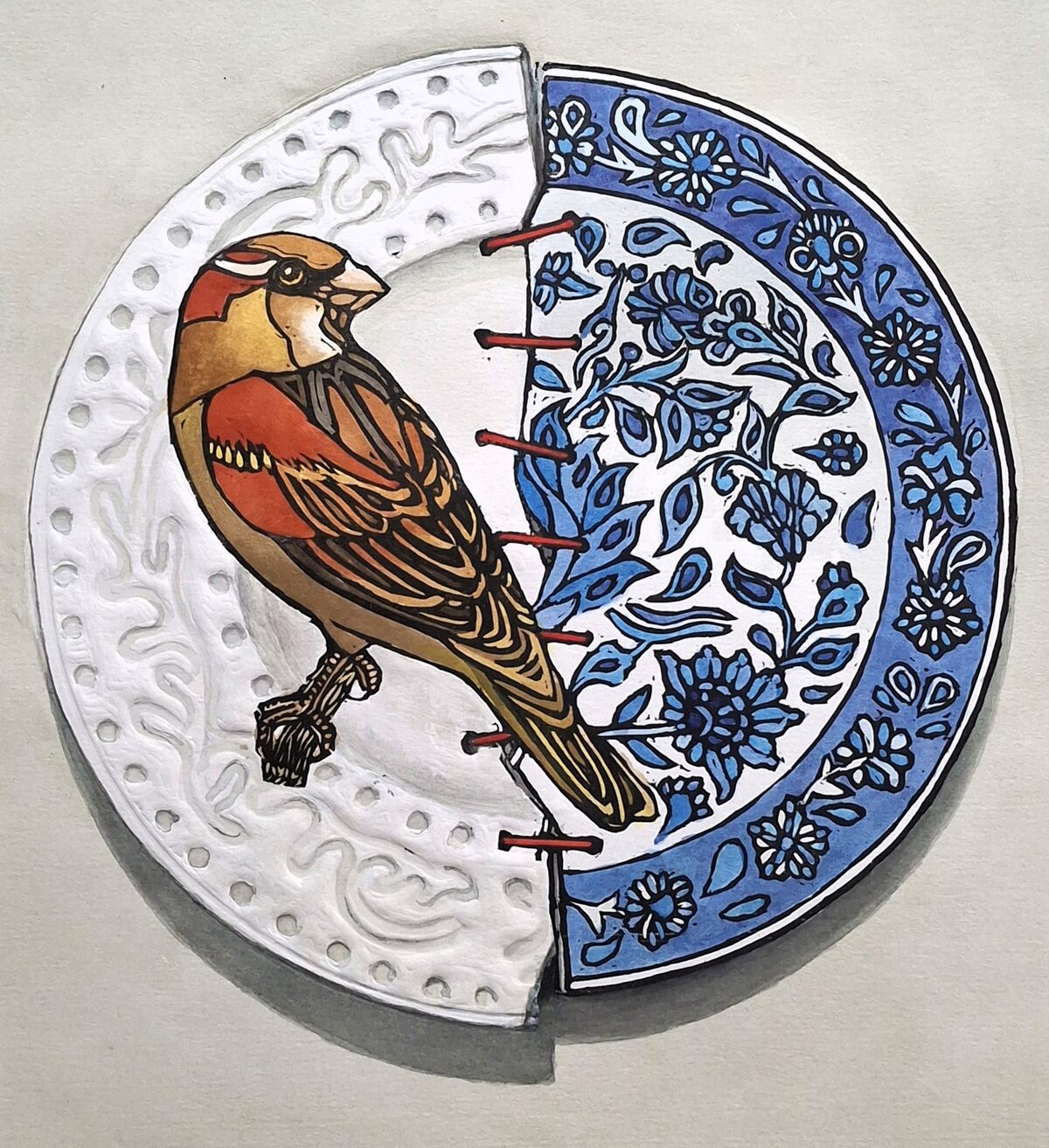
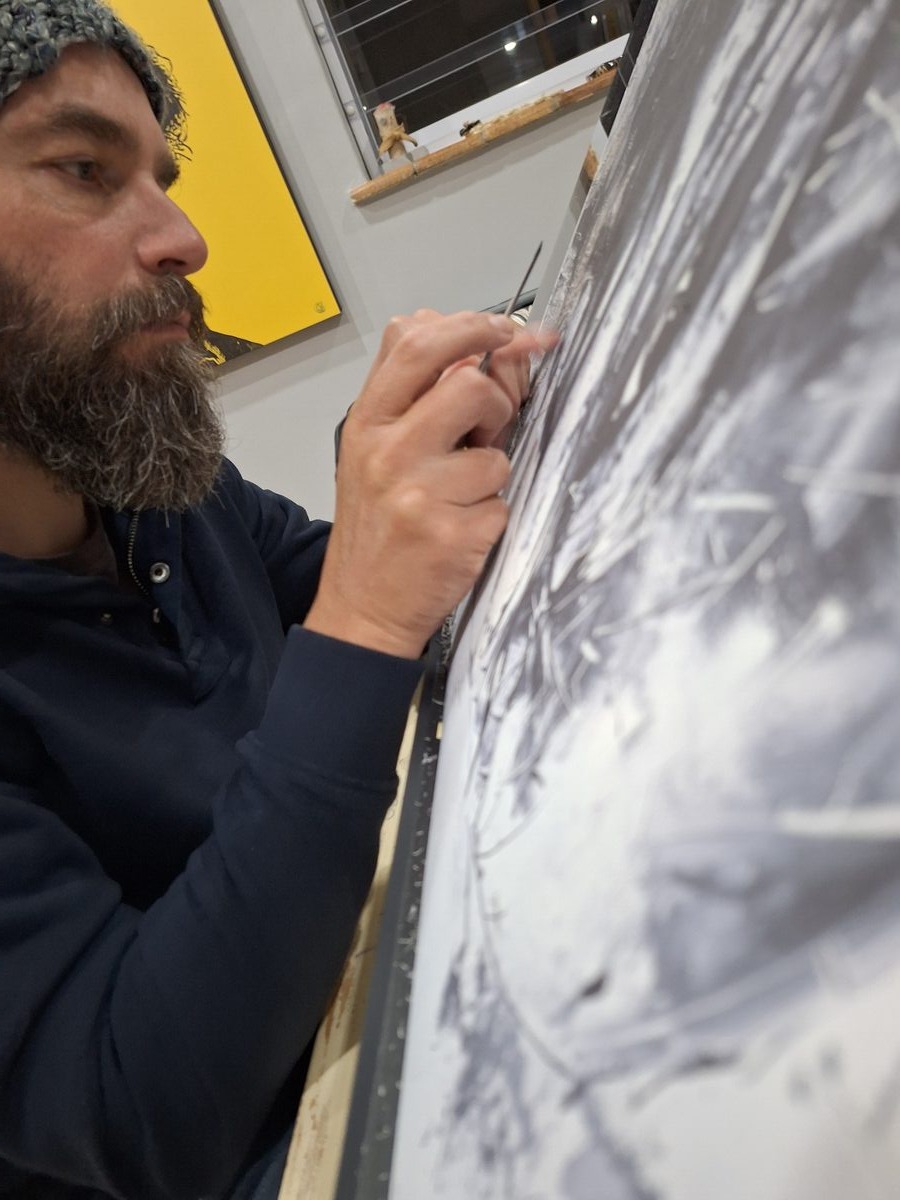
Artist and printmaker Theo Paul Vorster celebrates two decades of linocut printmaking with a special exhibition at Rust-en-Vrede Gallery in Durbanville.
The exhibition will officially open on Saturday at 11:00. It will run until 12 September.
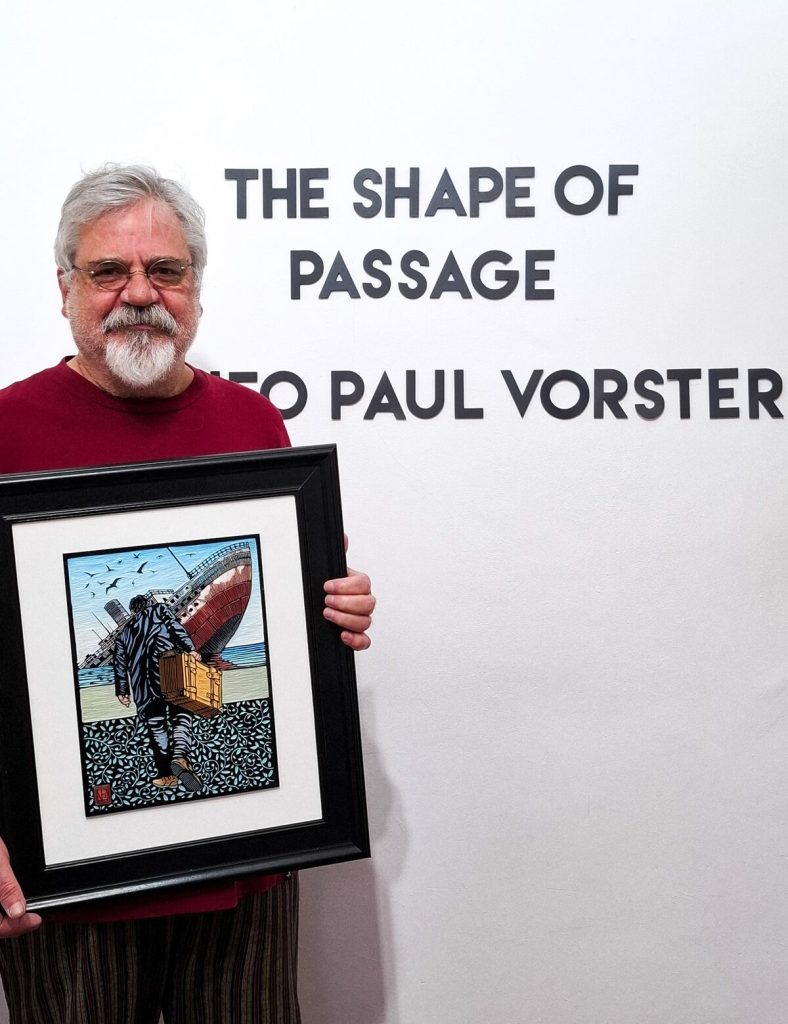
The exhibition marks a significant milestone in Vorster’s career and brings his journey full circle, returning to the gallery where he presented his first linocut exhibition in 2006.
Lifelong passion
Although Vorster studied printmaking and was familiar with lino from his school and university years, it was in 2006 that he fully embraced the medium. What began as preparation for a solo exhibition soon developed into a lifelong passion.
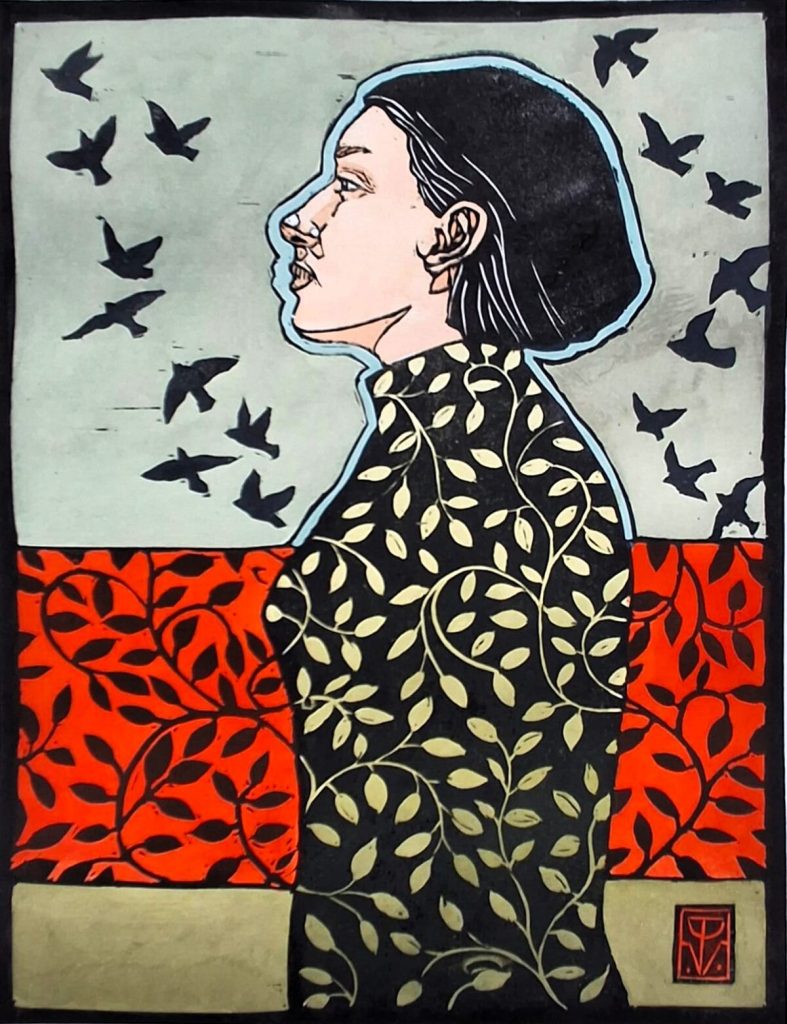
Drawn to the tactile nature of carving lino, and the opportunity to introduce vibrant colour into his work, he developed a distinctive approach that has become synonymous with his artistic practice.
A unique feature of Vorster’s work is his treatment of the original lino blocks. After completing an edition, he applies oil paint to the carved blocks and transforms them into artworks in their own right. In this way, both the prints and the original blocks become unique collector’s pieces.
Change a life
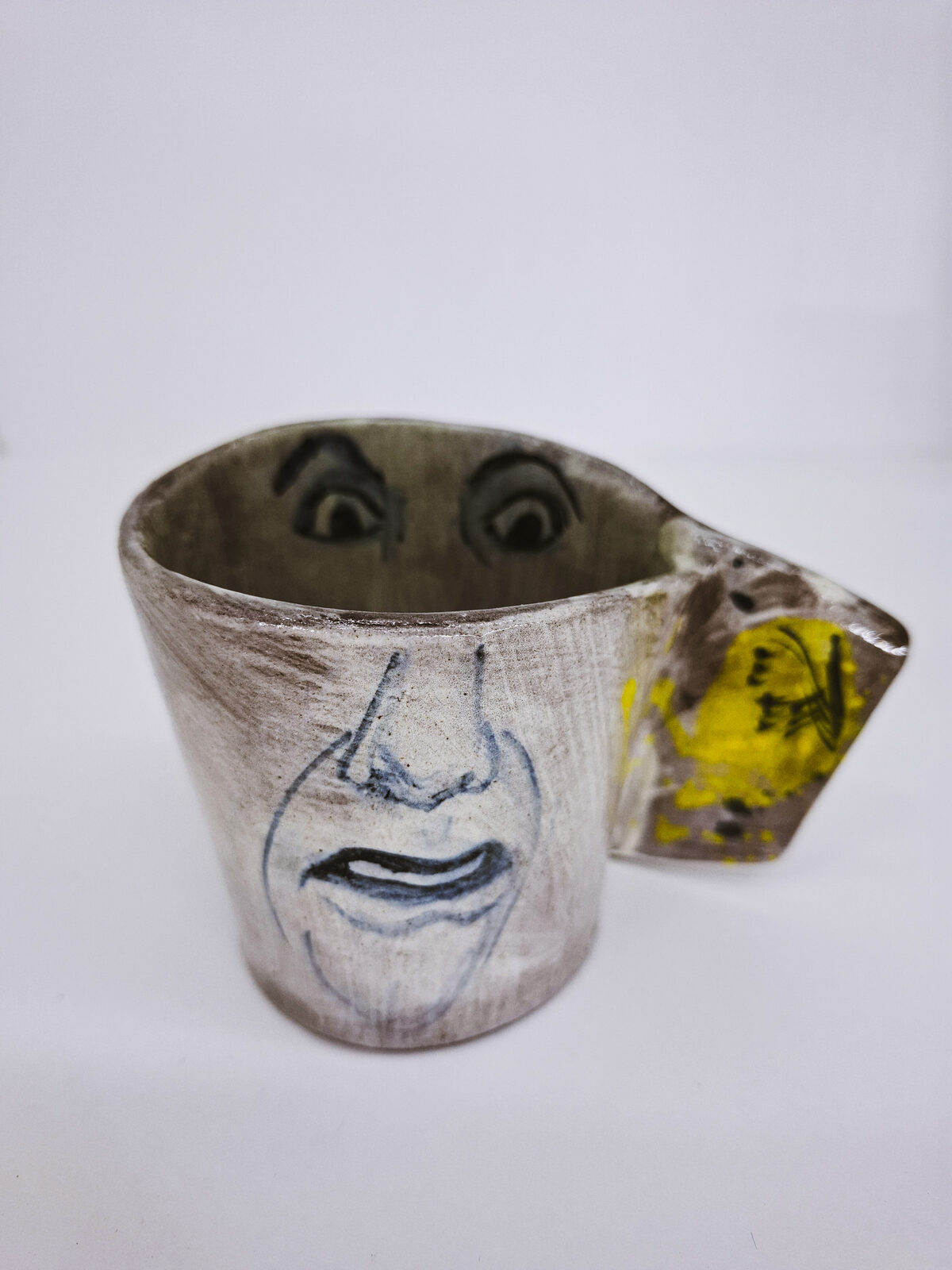
Over the past twenty years, Vorster’s colourful and expressive linocuts have entered numerous private collections. While he occasionally works in other media, linocut printmaking remains at the heart of his artistic identity.
Reflecting on this milestone, Vorster says: “Looking back, it all started with a few pieces of lino, a generous friend, and a willingness to try something different. Sometimes that is all it takes to change a life.”
Exhibition
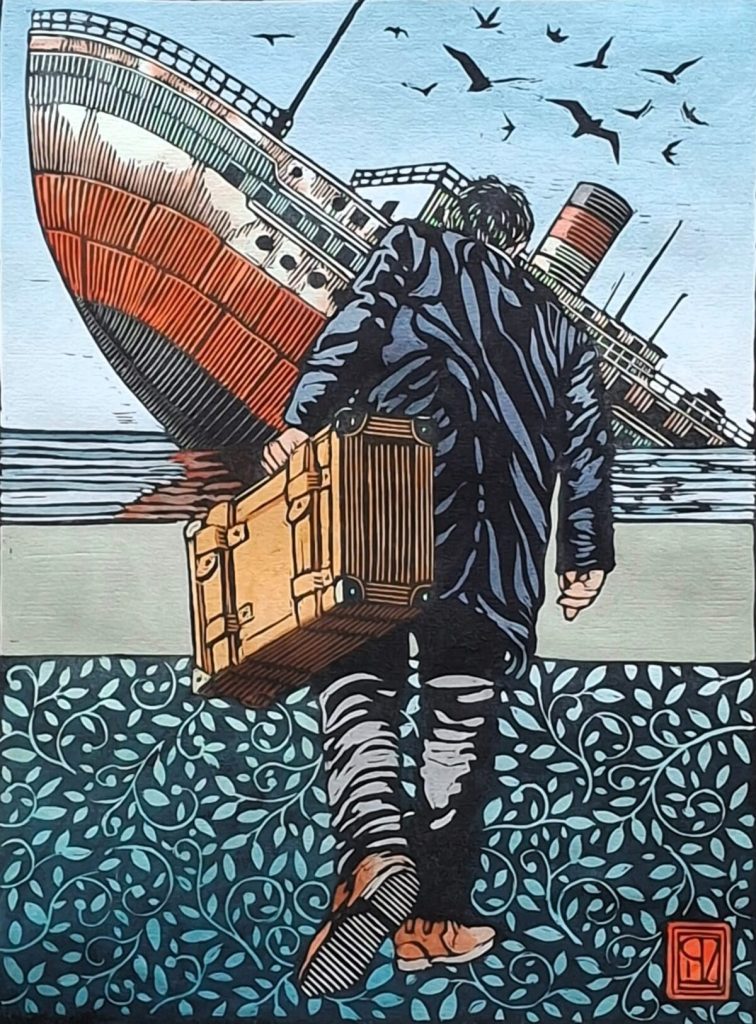
The works in this exhibition explore passage and transition through a recurring visual language of symbols comprising figures in transit, boats between distant shores, aircraft that speak of both escape and freedom, chairs that suggest waiting, and shadows that refuse to remain where they belong.
These are not illustrations of journeys, but fragments of them.
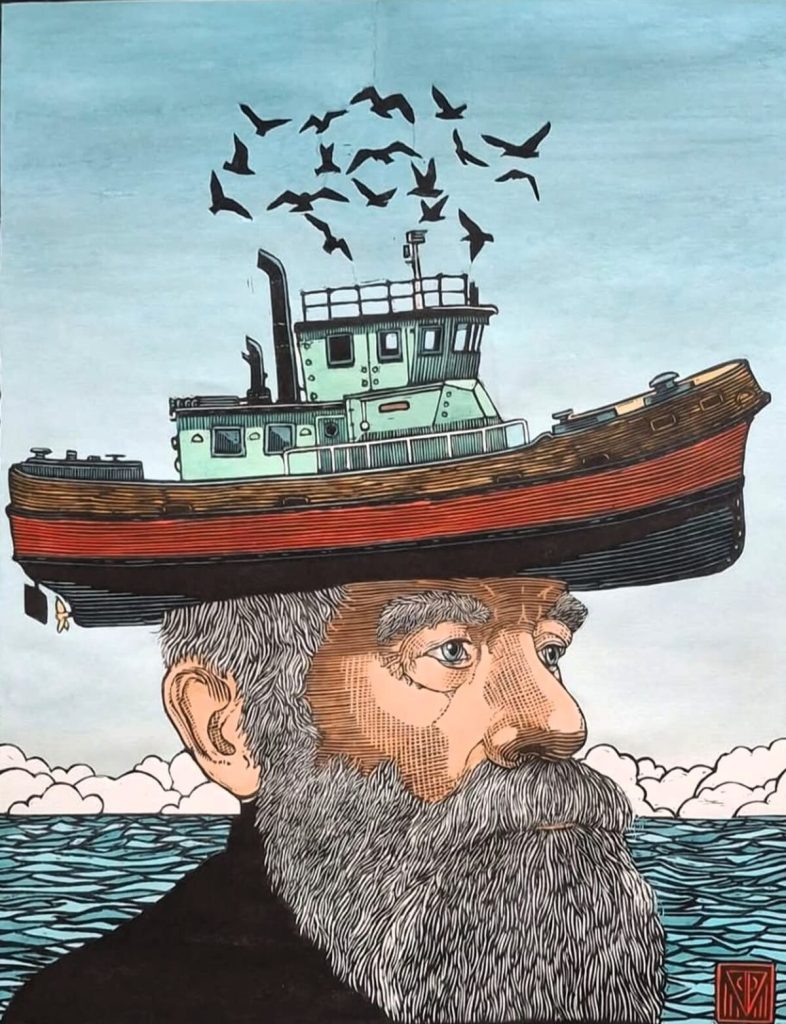
Shadows become companions that travel with us, while the recurring presence of red interrupts the quiet monochrome, marking moments of memory, danger, longing and arrival. Landscapes, architecture and open spaces become places of crossing rather than destinations.
Through these recurring motifs, Vorster reflects on movement, memory, waiting and the spaces between where we have been and where we are going.
LEES OOK: Rust-en-Vrede in Durbanville maak kuns toeganklik vir almal met nuwe projek

You must be logged in to post a comment.