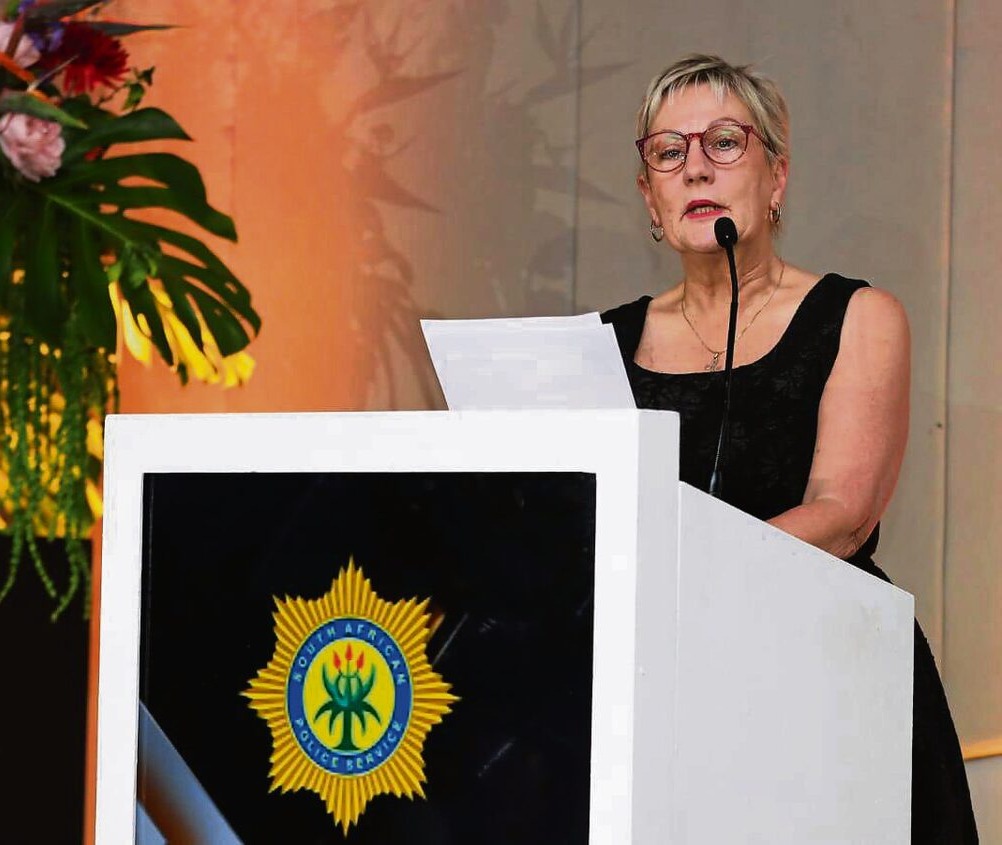
The Western Cape has expanded its own safety interventions amid ongoing pressure on rural policing resources to combat farm attacks and other crimes affecting farming communities.
Rural police stations continue facing challenges, including ageing vehicles, personnel shortages and large geographical areas, while the police prioritise the country’s highest crime-generating precincts. This according to Western Cape Police Oversight and Community Safety Minister Anroux Marais.
“Farm attacks remain a huge concern due to its far-reaching consequences, not only to the individuals harmed or the farming community, but also to food security in the country.”
Also Read: Attack on Stellenbosch couple shines spotlight on attackers’ wave of terror
She said specialised police units were regularly deployed to rural areas experiencing increased criminal activity, particularly where there are indications that crime could be linked to organised-crime syndicates or gang groupings.
However, Marais said the resources available to rural police stations remained constrained.
“I observed that new vehicles have been allocated to some stations. However, this must be considered against the broader reality that policing resources remain severely constrained due to years of neglect and under funding.”
She added “many rural stations continue to operate with ageing fleets that are prone to breakdowns, while personnel shortages remain a major challenge.”
Support rural safety
In response to this the province has increased its own capacity to support rural safety.
Since 2019 the Western Cape Department of Police Oversight and Community Safety has established Rural LEAP capacity in Swartland and Overstrand. In addition, it has partnered with 24 rural municipalities to train and capacitate 566 municipal peace officers and established rural K9 capacity in Swartland, Overstrand, Mossel Bay and, most recently, Stellenbosch.
These interventions are intended to “augment” police capacity, according to Marais.
The department is also working with agricultural organisations and other government structures to improve coordination around rural safety.
Marais said a recent operation in the Cederberg demonstrated the value of information-sharing and coordinated deployment, contributing to the rapid arrest of four suspects following a farm attack and house robbery.
No single police ‘farm-attack’ category
However, Marais said, establishing the scale of farm atacks remains difficult because they are not recorded as a standalone police crime category.
“There is also no single [police] category that captures every incident described publicly as a ‘farm attack’, which makes direct year-on-year comparisons of farm attacks particularly difficult,” she said.
The latest official statistics illustrate the challenge.
During the first quarter of the 2026-’27 financial year, police recorded one murder in an agricultural area and four attacks on rural communities nationally. The agricultural-area murder was recorded in Gauteng.
Independent farming organisations have recorded considerably higher numbers using their own definitions and monitoring systems.
Transvaalse Landbou Unie Suid Afrika (TLU SA), the oldest agricultural organisation in South Africa, reported 21 farm attacks and two farm murders between 1 and 27 August this year. Meanwhile, AfriForum recorded 184 farm attacks and 29 murders during 2025.
However, these figures cannot be directly compared with police figures because the organissations use different definitions, methodoligies and reporting periods.
Furthermore, police have previously challenged claims of under-reporting.
In March 2025 the police service said it had verified farm-murder figures submitted by AfriForum and found that only one of the cases involving a farm owner submitted for verification was reflected in its official statistics for that quarter.
Internationally, the United States (US) administration has repeatedly raised allegations of violence against white farmers. However, the South African government has rejected claims of systematic persecution. Recently, US Secretary of State Marco Rubio announced visa restrictions in September targeting certain foreign nationals. These are nationals that Washington has accused of involvement in policies concerning racial discrimination, uncompensated land seizures or incitement of imminent violence against minority groups in the country.
Marais said rural safety should be assessed through more than individual incident numbers. Instead, it should include police response times, arrests, case outcomes, intelligence-led operations, vehicle availability and the effectiveness of local safety partnerships.
For the Western Cape the response has increasingly meant supplementing police capacity through provincial and municipal interventions while authorities continue to grapple with how best to measure the extent of rural crime.