
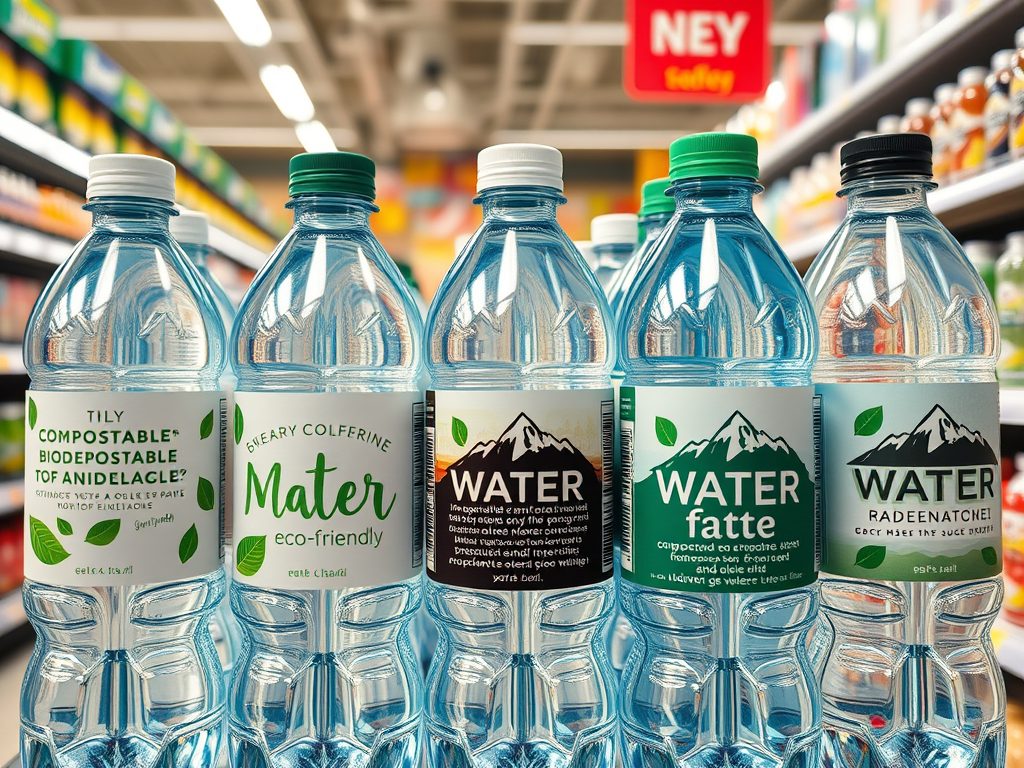
South Africa’s shelves are filled with bottled water making bold environmental promises, but are those claims as clean as the water inside? Charlotte Metcalf, CEO of the South African National Bottled Water Association, explains what to look for and what to watch out for.
Walk down any supermarket aisle and you’ll see it: water bottles adorned with leaves, mountains and promises of a greener tomorrow. Restaurants, speciality shops and hotels regularly insist on green options to impress their clientele. Words like “environmentally responsible”, “renewable and recyclable”, “plastic-free”, “100% recyclable”, “eco-friendly”, “biodegradable” and “compostable” are doing considerable work on packaging these days, but the reality behind many of these claims simply does not hold up.
This is greenwashing: when environmental marketing gets ahead of environmental reality to sell a product based on misinformed perception. It’s a growing problem for consumers who genuinely want to make better choices.
ALSO READ: Water bankruptcy is not a too distant threat for South Africa(Opens in a new browser tab)
The fact that something is recyclable does not ensure that it actually gets recycled. Someone must collect it from general waste, sort it and transport it to a specialised facility that recycles it into an end product whilst creating an economically viable market. This infrastructure is simply not available in South Africa for all packaging materials like cartons and biodegradable bottles.
Some brands using packaging alternatives to PET—such as cartons, tins and glass—capitalise on anti-plastic sentiments, making unsubstantiated claims to convince consumers they are making more environmentally friendly choices.
The ‘compostable’ deception
One of the most misleading claims appearing on water bottles is “compostable”. It sounds straightforward: toss it in your compost heap and it disappears. The truth is far more complicated.
Compostable plastics only break down under very specific industrial conditions: sustained temperatures of around 60°C, controlled moisture and the right microbial environment. These conditions are nothing like your garden compost bin, a landfill or the natural environment. Critically, South Africa currently has no widespread consumer collection system to transport packaging to large-scale industrial composting facilities—even if they existed.
What actually happens to most “compostable” bottles in South Africa? They go to landfill, where they persist for years, or they contaminate the PET recycling stream, causing entire batches of genuinely recyclable plastic to be rejected.
“Compostable and biodegradable bottles cannot be reused or conventionally recycled in South Africa,” says Metcalf. “They only decompose under very specific industrial composting conditions that simply don’t exist at scale here. A single so-called eco-friendly bottle dropped into a recycling bin can contaminate an entire batch of recyclable PET, effectively sending hundreds of bottles to landfill instead.”
Biodegradable claims fall short
Similar problems plague “biodegradable” claims. Whilst technically true that these materials can break down, the speed and conditions required are rarely communicated honestly. In cold, dry or low-oxygen environments—like most South African landfills—degradation is dramatically slowed.
Worse, when some of these materials do begin to break down, they don’t disappear into harmless nutrients. They fragment into microplastics and release carbon dioxide, contributing to both pollution and greenhouse gas emissions. The South African Bureau of Standards has published SANS 1728, which sets testing and certification requirements for these claims, yet many products on shelves carry no such verified certification.
The labelling problem
Greenwashing doesn’t always come from bold, false statements. More often it’s in the details—or the lack of them. Recycling symbols are placed on packaging that isn’t actually collected for recycling in South Africa. Terms like “eco-friendly” and “nature-friendly” carry no legal definition and require no proof. A bottle made with 10% recycled content might use language that implies it’s fully sustainable.
South Africa’s Advertising Regulatory Board is currently developing a Sustainability Code to crack down on vague or misleading environmental claims—a sign that regulators are beginning to take this seriously. But until enforceable standards are fully in place, the burden falls heavily on consumers to be sceptical.
“If a claim influences how you choose a product, it must be backed by proof,” says Metcalf. “Vague language and unverified symbols are not good enough. Consumers deserve transparency, not marketing theatre.”
What actually works
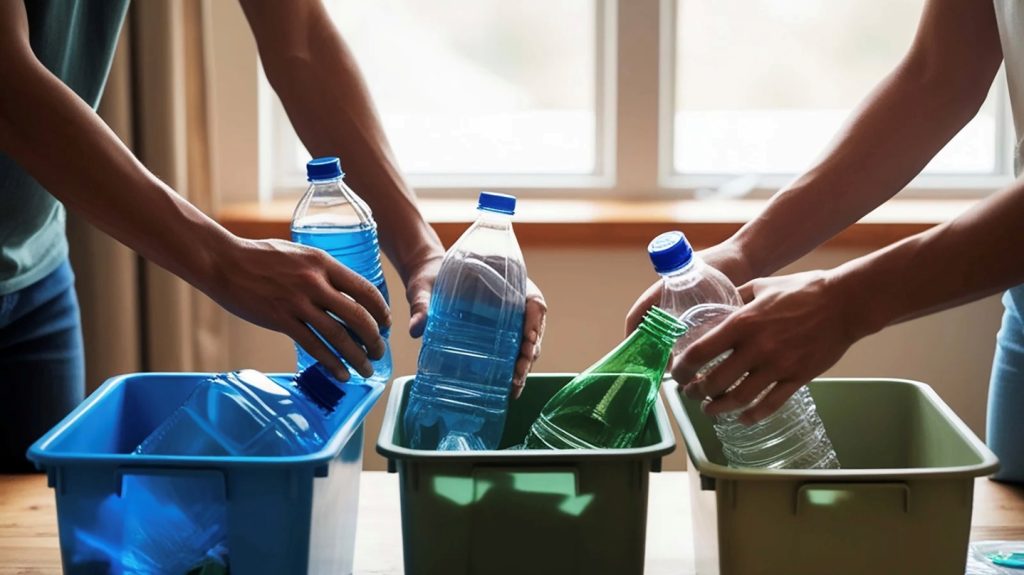
Here’s the good news: South Africa does have a packaging material with a proven, high-functioning circular economy—PET plastic. In 2023, PET recycling company Petco achieved a 64% collection rate for PET beverage bottles, surpassing the government’s own target. Every PET bottle recycled means less waste in the environment, less virgin material produced and income for the informal waste pickers who form a critical part of the collection network.
SANBWA members are required to comply with strict environmental standards as part of their membership. This includes adhering to the Waste Act, contributing to a recycling levy, designing packaging to be recyclable and undergoing annual independent audits—accountability that can actually be verified.
“Bottled water has the lightest environmental footprint of any packaged beverage, and recycling the bottle reduces that footprint by a further 25%,” says Metcalf. “That’s a real, measurable impact, not a slogan on a label.”
How to spot greenwashing
Next time you pick up a water bottle, ask yourself a few simple questions. Does the ‘recyclable’ claim come with any indication of where to recycle it? Is the ‘compostable’ or ‘biodegradable’ label backed by a recognised certification standard? Is the brand transparent about what percentage of its packaging actually contains recycled material?
The most sustainable choice is the one backed by an auditable system, not the most photogenic packaging. Look for the SANBWA logo, which ensures safety, transparency and environmental responsibility. So next time you’re shopping for water, turn the bottle around. If it doesn’t say SANBWA, think twice.


You must be logged in to post a comment.