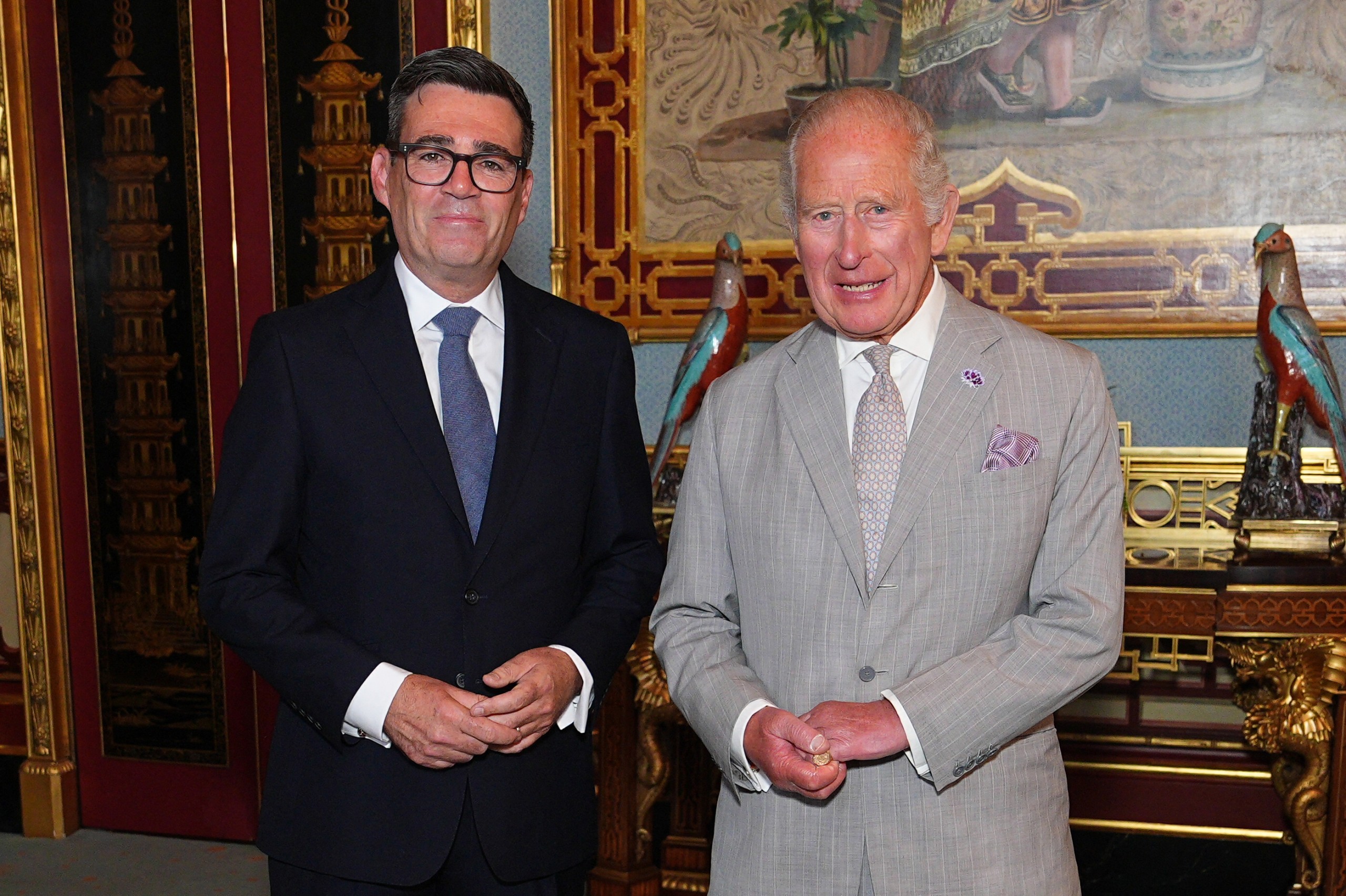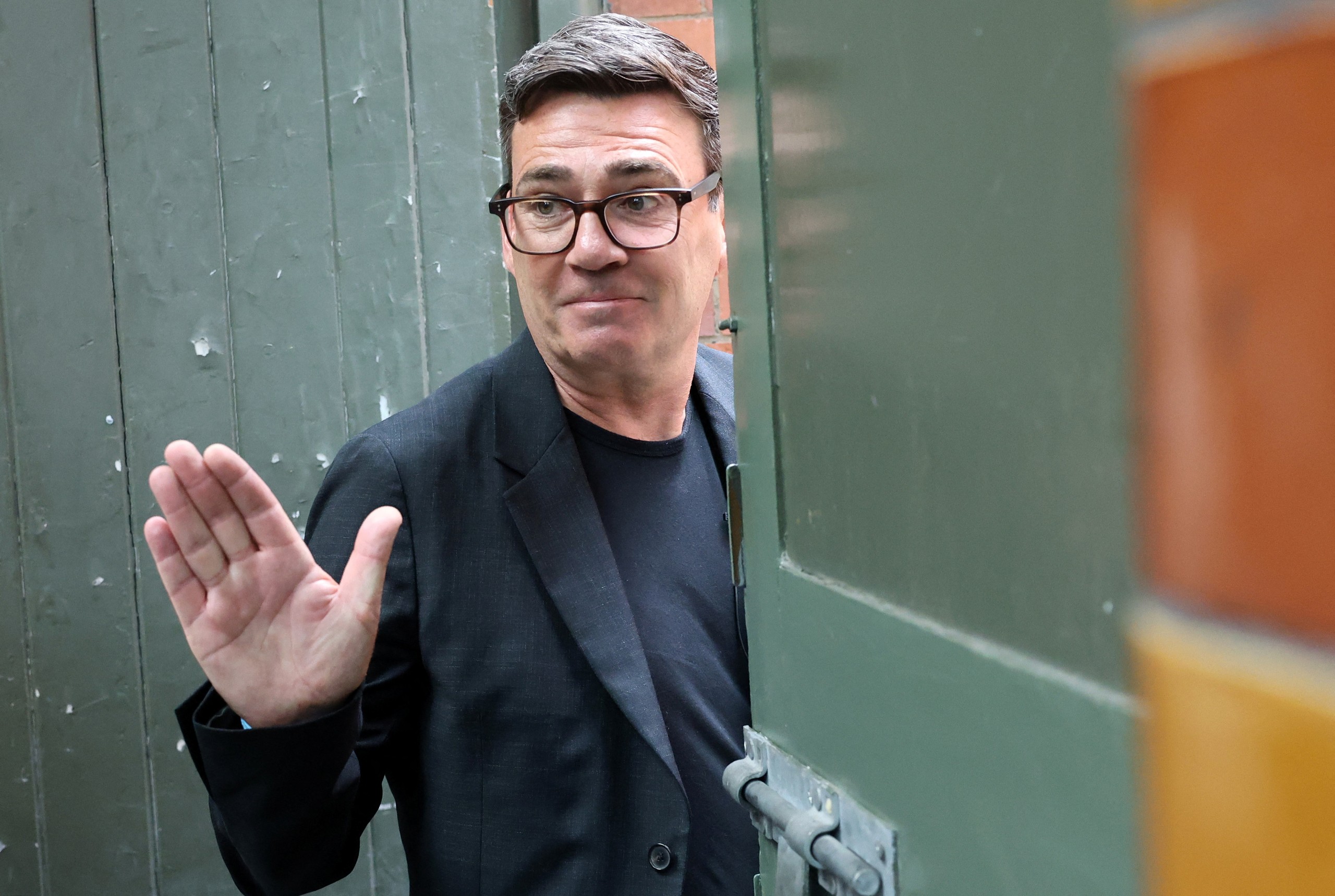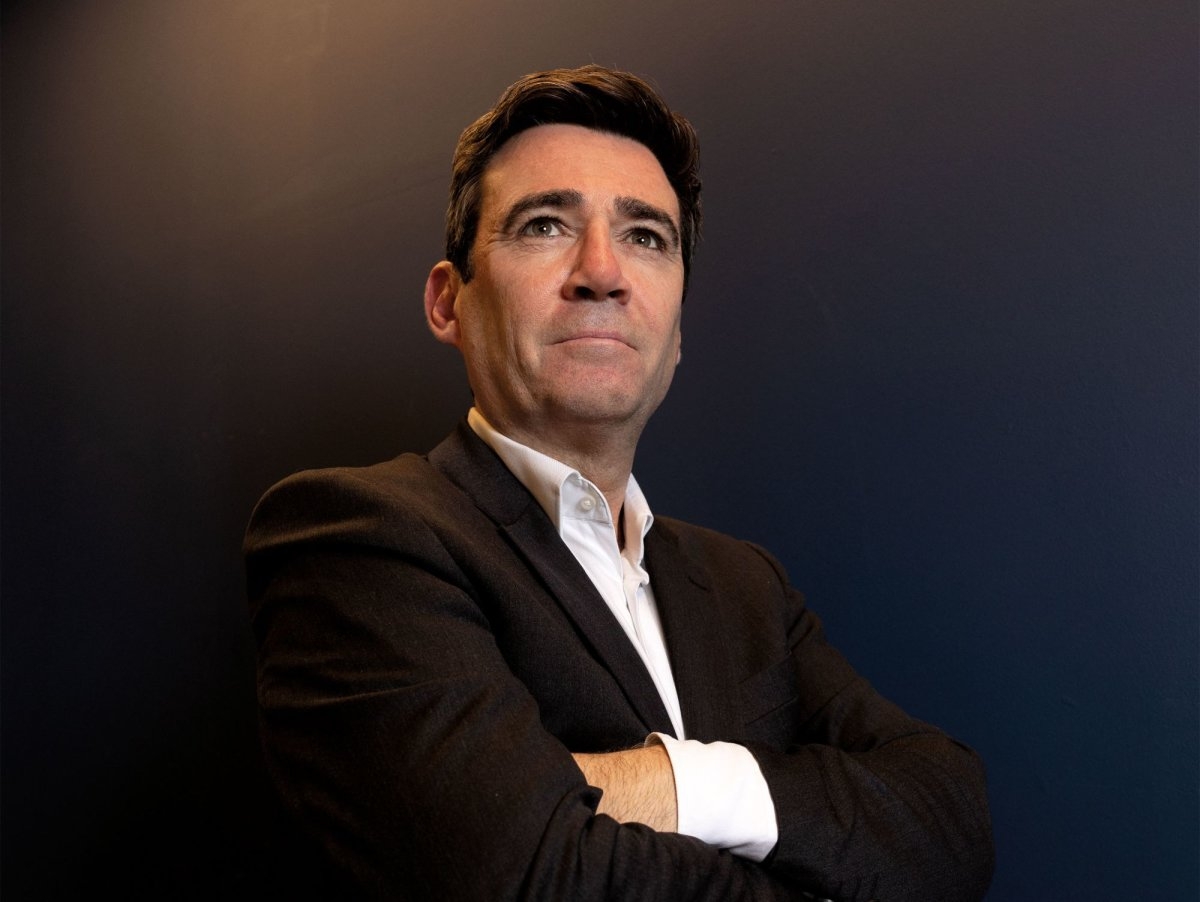
Andy Burnham is days away from entering 10 Downing Street as Britain’s next prime minister, capping a political comeback that saw him transform from twice-defeated leadership candidate to the most popular politician outside Westminster.
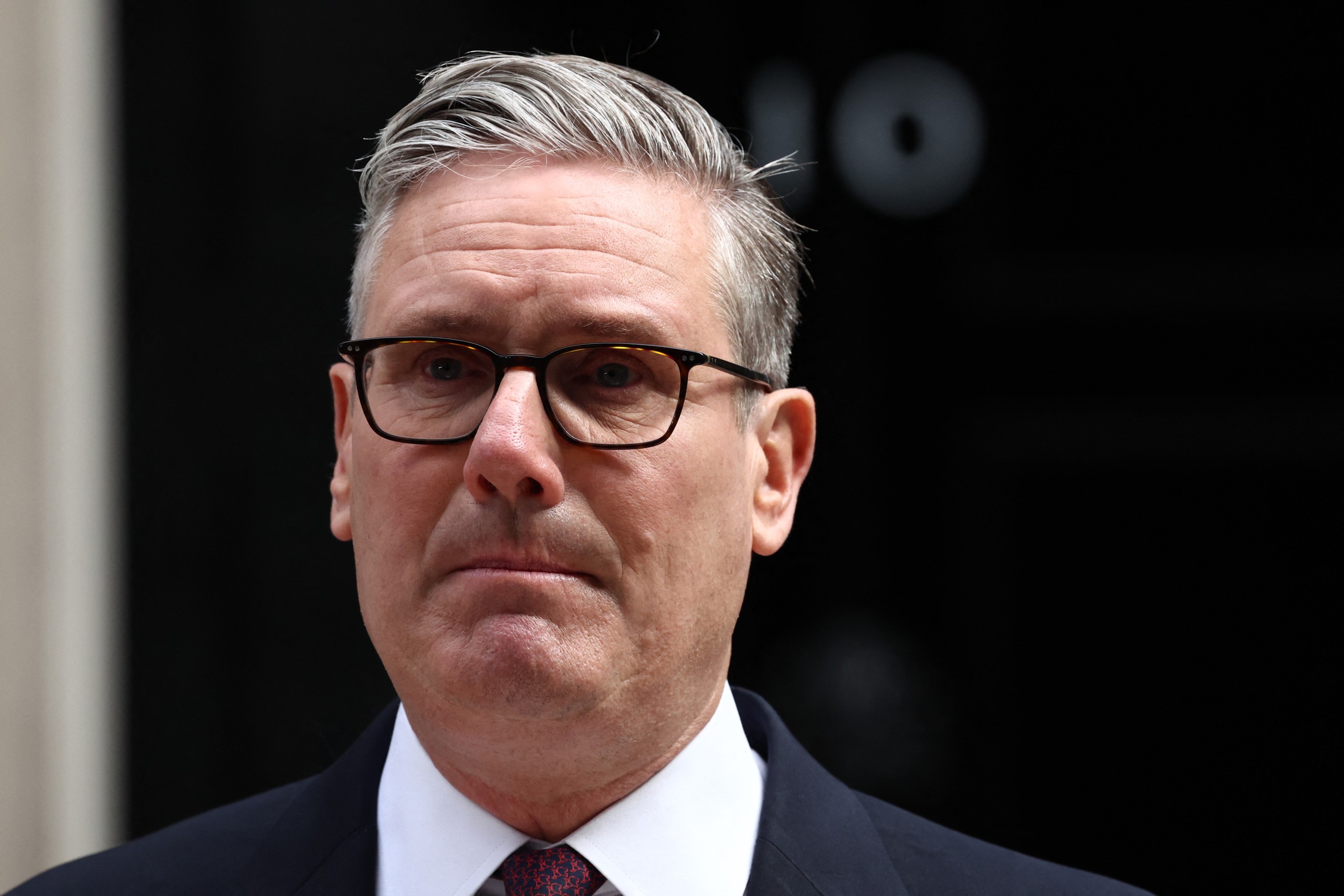
The former Mayor of Greater Manchester is set to formally become Leader of the Labour Party on Friday 17 July, before being invited by King Charles III to form a new government on Monday 20 July. With the backing of 349 Labour MPs, his path to the top job appears all but certain following Sir Keir Starmer’s resignation last month after losing the support of parliamentary colleagues.
From Liverpool suburbs to Cambridge
Born in Aintree, Lancashire, on 7 January 1970, Burnham was raised in Culcheth, Cheshire. He joined the Labour Party at 15 and later studied English at the University of Cambridge. Before entering Parliament, he worked as a researcher for Tessa Jowell and as a special adviser to Culture Secretary Chris Smith.
First elected as MP for Leigh in 2001, Burnham rose quickly through the Labour ranks. He served in several cabinet positions under Tony Blair and Gordon Brown, including minister of state at the Department of Health, chief secretary to the Treasury, secretary of state for culture, media and sport, and secretary of state for health from 2009 to 2010.
Two defeats and a northern renaissance
After Labour’s 2010 general election loss, Burnham ran for party leadership but came fourth. He tried again in 2015, finishing second to Jeremy Corbyn. Rather than remain in Westminster as shadow home secretary, he made an unexpected move in 2017 – resigning his seat to become the first Mayor of Greater Manchester.
The gamble paid off. Burnham won with 63% of the vote and was re-elected in 2021 with 67% and again in 2024 with 63%. During his nine years leading the city-region, he gained a reputation as an effective administrator and vocal advocate for northern England, earning him the nickname “King of the North”.
His high-profile clashes with central government during the Covid-19 pandemic over regional lockdown funding boosted his national profile. He launched the “Bee Network” public transport system, bringing buses under public control, and championed devolution of powers from Whitehall to local authorities.
The road back to Westminster
In June, Burnham engineered his return to Parliament by winning a by-election in the neighbouring Makerfield constituency. Within weeks, Starmer announced his resignation, and Burnham emerged as the overwhelming favourite to succeed him.
Allies say he has been preparing for this moment for at least a year, developing a policy platform he calls “Manchesterism”—an interventionist economic approach centred on devolution, public control of essential services, and regional empowerment.
What to expect from a Burnham premiership
The incoming prime minister has outlined an ambitious agenda that would significantly reshape how Britain is governed:
Devolution revolution: Burnham plans to create a “No. 10 North” office in Manchester to decentralise decision-making from Whitehall. He wants to devolve greater authority over housing, welfare and education to local leaders and combined authorities, and has promised a “rewiring of the state” by reducing Treasury dominance—though allies suggest this will be a long-term project.
Public services: Drawing on his Manchester experience, he advocates bringing water, energy and transport under stronger public control. He has proposed a major council house building programme using vacant public land, and reforms to business rates to revive high streets.
Economy: His 10-year economic plan rejects “trickle-down economics” in favour of an active industrial strategy and updated public procurement policies supporting British-based suppliers. He has committed to Labour’s existing pledge not to raise income tax, VAT or national insurance during this parliament.
Defence: Burnham has prioritised national security, committing to NATO and the UK’s nuclear deterrent. He plans to link defence equipment upgrades to job creation in under-resourced regions.
Political reform: He supports proportional representation for general elections and changes to how Parliament operates to improve MPs’ ability to represent constituents.
Youth policies: Plans include 45-day work placements, expanded mental health support for young workers, and potentially scaling up his Manchester policy of free bus passes for under-18s to a national level.
Burnham has ruled out a snap general election, stating the public has little appetite for further electoral disruption.
Challenges ahead
The new prime minister will inherit a Labour government already in power since 2024, but one that saw its leader forced out by his own MPs. Managing party unity whilst implementing his ambitious devolution agenda will test his political skills.
His critics question whether policies that worked in Greater Manchester can succeed nationally, and whether his interventionist economic approach will appeal beyond Labour’s base. Treasury officials are reportedly wary of his plans to reduce their department’s influence.
However, Burnham brings something Starmer lacked – a proven track record of winning elections outside London and genuine popularity in regions Labour needs to retain. His three landslide victories in Greater Manchester suggest he understands voters beyond Westminster.
After nearly a decade in the political wilderness, the boy from Aintree who joined Labour at 15 is about to achieve his long-held ambition. Whether “Manchesterism” can succeed on a national scale will define his premiership.
Burnham is married to Dutch-born Marie-France van Heel and the couple have a son, Jimmy (26) and two daughters, Rosie (24) and Anne-Marie (21).
ALSO READ: Outgoing UK prime minister Starmer pledges support for successor Burnham