
Aluma Capital
Aluma Capital
Aluma Capital
-

Phalanomics: Accountability vs. Stability while navigating South Africa’s new political crosswinds
South Africa’s Constitutional Court has reopened the Phala Phala impeachment process, creating renewed political uncertainty around President Cyril Ramaphosa and the GNU.
-

Global ceasefire and massive oil correction offer crucial relief for the SA economy
A sudden global shift has delivered much-needed relief for South Africa. Following a Middle East ceasefire, oil prices have dropped sharply and the Rand has strengthened.
-
FUEL PRICE CRISIS | The great fuel buffer
The National Treasury reduced the General Fuel Levy by R3 to alleviate consumer pressure from rising oil prices, costing R6 billion monthly.
-
Navigating the geopolitical crosswinds: South Africa faces renewed inflation risks despite brief market relief
South Africa faces renewed inflation risks despite brief market relief, driven by rising fuel costs and import dependence.
-
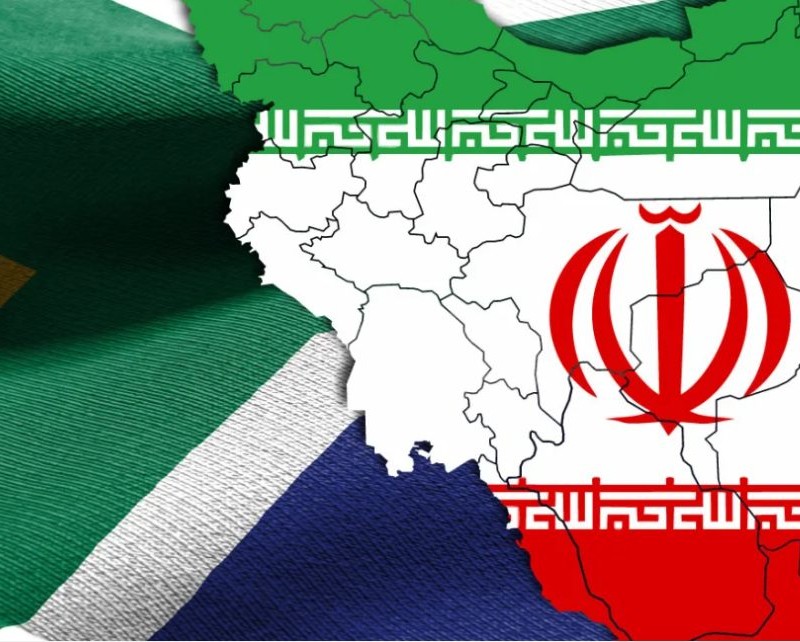
Middle East conflict exposes costly price of South Africa’s Iran alignment
Following the launch of Operation Midnight Fury on 28 February, escalating conflict in the Middle East has triggered global market turbulence with immediate consequences for South Africa.
-

A step toward solvency: Godongwana’s 2026 Budget balances middle-class relief with fiscal reality
The 2026 Budget is a pragmatic blueprint that prioritises debt stabilisation and middle-class relief over populist spending.
-
The 2026 confidence budget: Codifying South Africa’s shift from recovery to resilience
South Africa’s 2026 Budget, led by Finance Minister Enoch Godongwana, marks a shift from recovery to resilience.
-
Navigating the commodity boom: South Africa’s 2026 budget forecast
South Africa’s upcoming budget faces challenges amid a commodity price surge; fiscal discipline and tax reform are crucial for sustainable growth.
-
MTBPS 2025: A step towards fiscal stability and economic renewal
In Parliament yesterday, Finance Minister Enoch Godongwana delivered the Medium Term Budget Policy Statement (MTBPS) for 2025, outlining a cautiously optimistic outlook for South Africa’s economy and public finances. Significantly,…
-

The Rand’s journey against the Dollar in 2025 – still undervalued by global standards
As of October 2025, the South African Rand is trading at R17.15 against the US Dollar, a significant figure in the context of an estimated average exchange rate of R18.20…
