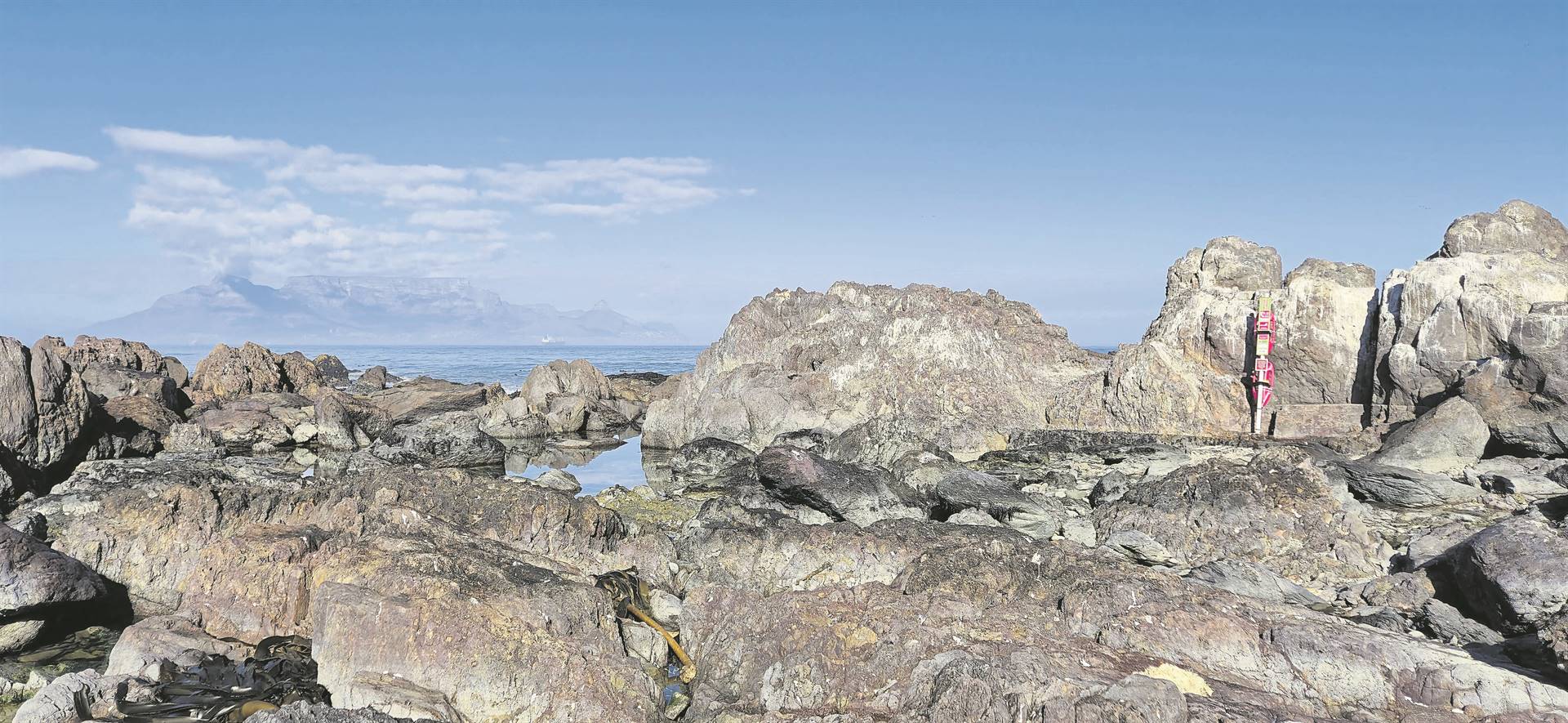
This is a stern warning from the National Sea Rescue Institute (NSRI) after it had been noted that pink rescue buoys stationed at beaches have been repeatedly removed from their posts over the past month and not returned.
NSRI drowning prevention manager, Andrew Ingram, says the pink rescue buoys have been removed from their poles and some have been found floating in the ocean.
“These public rescue devices are strategically placed and are to be used strictly to save lives. Removing a pink buoy from a pole for any reason other than a rescue may cost somebody their life,” Ingram says.
The pink buoy initiative
The pink buoy initiative has been one of the NSRI’s groundbreaking innovations and since its inception has saved 144 lives that they are aware of.
Last year, the NSRI celebrated its 100th life saved by the floating device.
Ingram says water safety is a universal responsibility.
“With the extremely high drowning rate in our South African waters, the theft of these buoys is deeply concerning,” he says.
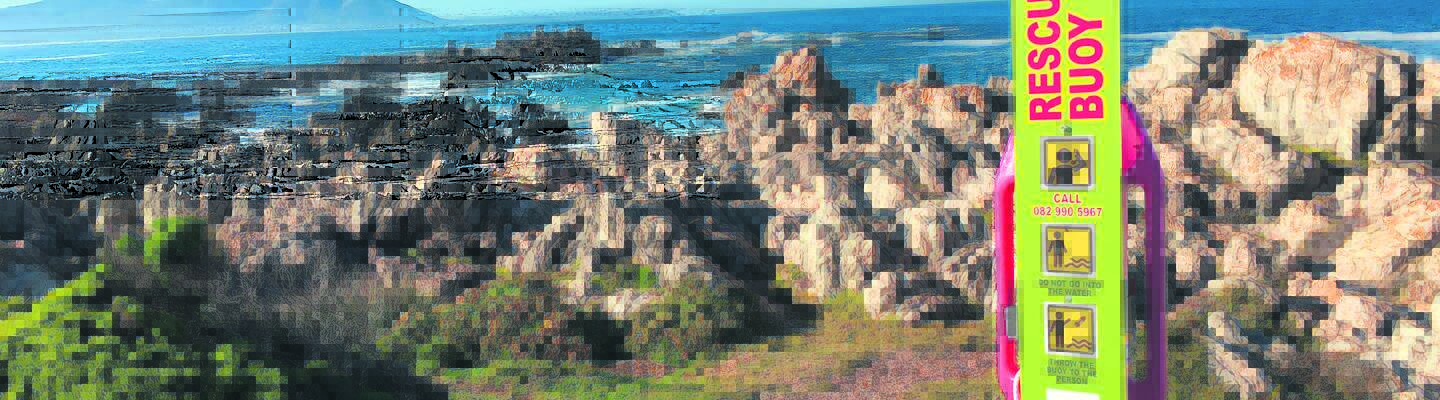
Ingram states that the pink rescue buoys are emergency flotation devices that can be used to assist both rescuers and victims during a potential drowning incident.
“This bright pink float can be used by strong swimmers to help someone during a rescue, or it can be thrown to a person in danger of drowning, while someone else calls for help,” he adds.
“We are appealing to those who might know or see those who are removing the pink buoys from their poles to stop and return them urgently,” says Ingram.
According to the organisation, it has more than 1 100 buoys stationed at beaches, dams and rivers across the country.
The NSRI says the pivotal role a floatation device plays in rescuing a drowning victim is often overlooked and having these devices freely available for public use makes a massive impact in the country.
Background
The roll-out of the NSRI pink rescue buoys started in November 2017. This project is made possible by corporate and public sponsorship of R1 500 per pink buoy, which covers the cost of the Pink Buoy, the sign and the pole that holds it.
The pink rescue buoy project is part of an extensive National Drowning Prevention Campaign started by the NSRI in 2017. The deployment of the pink rescue buoys is done with the cooperation of City Councils, municipalities and communities in a rapidly growing effort to make our waters safer and to prevent drowning incidents, Ingram notes.
The rescue buoys are bright pink so that they can be easily spotted on the water by responding rescuers. They are unique to the NSRI, so if you see a pink rescue buoy that is not on its pole it has probably been stolen.
“Please encourage the person who has it to return it to the pole that they removed it from. Each pink rescue buoy sign has emergency numbers for the NSRI. If you are not a strong swimmer and trained in rescue we advise that this public rescue device is thrown to a person who is in danger of drowning while someone else calls for help. Also on the sign is a location number. Please tell us what this location number is – that will help us to know exactly where the emergency is and allow us to get rescuers there faster. Do not go into the water to try and rescue someone unless you are trained on how to do this. If you decide to go into the water to help someone despite this advice, take something that floats with you – the pink rescue buoy or a surfboard for example.”
Pink rescue buoys belong to Sea Rescue and should be returned to their signpost after use.
Should anyone spot someone stealing one of the buoys, email pinkrescuebuoys@searescue.org.za or WhatsApp them on 079 802 6773.