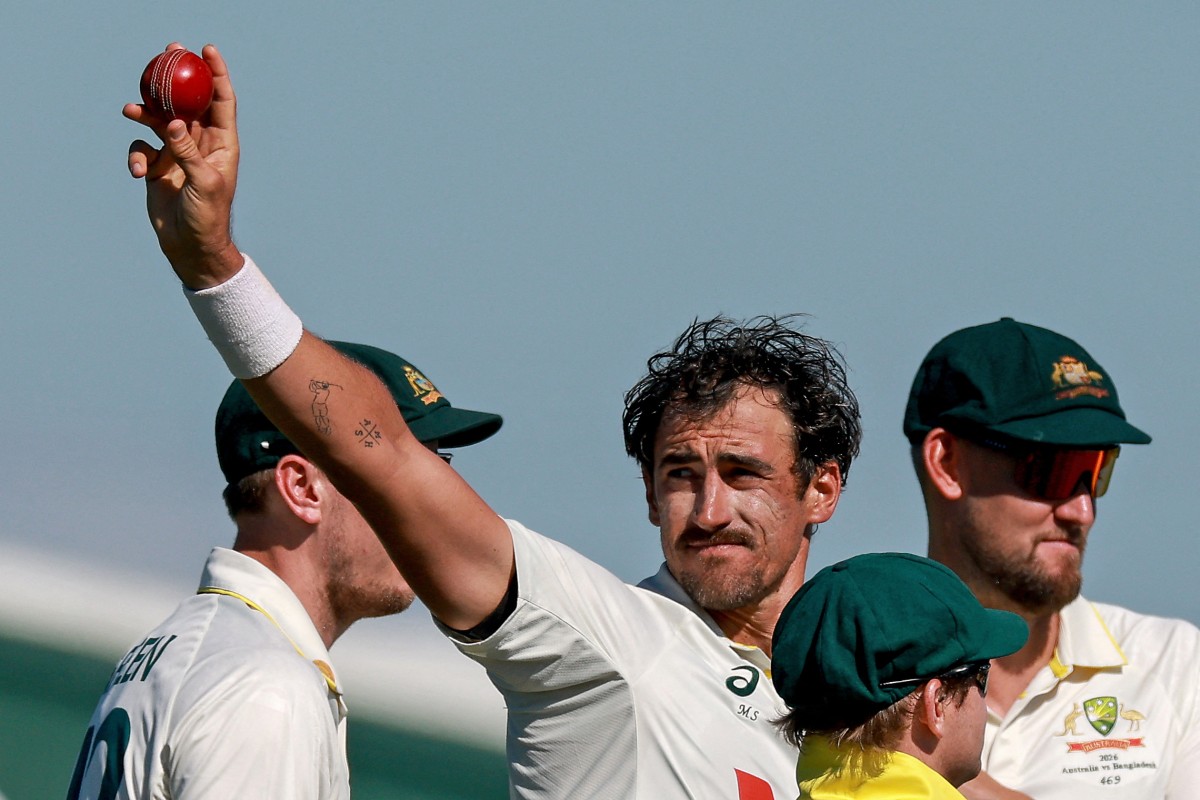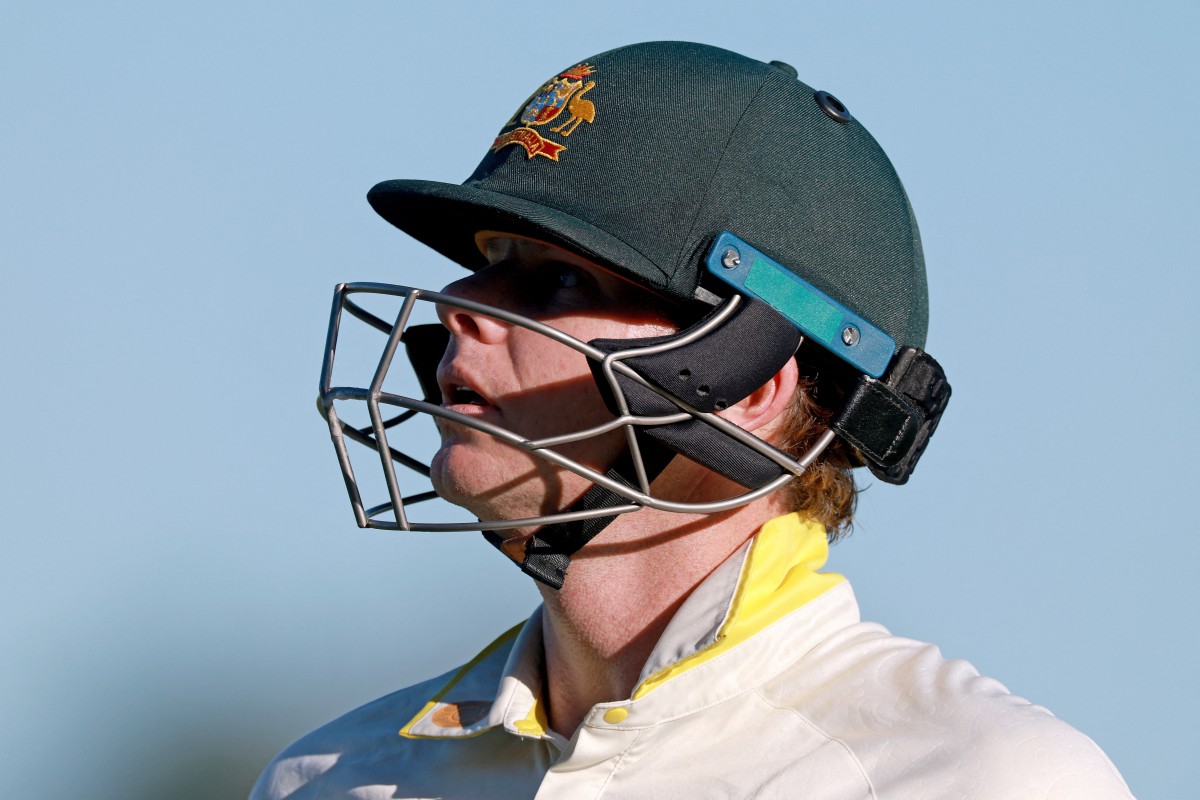
Steve Smith has revealed he still suffers traumatic flashbacks from the infamous “Sandpapergate” scandal eight years on, admitting the sound of a camera flash can instantly transport him back to one of Australian sport’s darkest moments.
The former Australia captain, preparing for his first Test series in South Africa since the ball-tampering controversy that rocked cricket in 2018, opened up about the psychological scars that still linger as he braces for an emotionally charged return to the scene of the crime.
Smith, now 37, will walk out at Kingsmead in Durban on 9 October for the first Test of a three-match series that also visits Gqeberha and Cape Town.
The fallout was brutal. Smith was sent home in disgrace, banned for 12 months, and sacked as captain. David Warner, identified as the ringleader, copped a 12-month suspension and was stripped of all leadership roles. Cameron Bancroft received a nine-month ban. Australia was left reeling. Cricket’s reputation was in tatters.
But the human cost has proven longer-lasting than any suspension, with Smith revealing in a candid interview with News Corp. on Thursday that the mental wounds have never fully healed.
The flash that triggers the trauma
“I’m not a big fan of cameras … I get anxious around cameras to be honest,” Smith confessed. “That was a traumatic experience in my life and when I hear the flash of a camera it makes me revisit that in a way.”
The images are seared into his memory being mobbed by the media pack at the airport, cameras flashing furiously as he tried to navigate his way through the chaos. Then, the excruciating Sydney press conference upon his return, where he broke down in tears in front of the world.
“The 24-48 hours of being told by James Sutherland (then-Cricket Australia chief executive) that I was getting banned for a year. That and going through the airport in Johannesburg getting absolutely mobbed, and then flying back and doing that press conference,” Smith recalled.
“I still have little flashbacks here and there of it.”
Mental state at breaking point
Smith bore the brunt of public fury in a scandal that transcended sport and became a national crisis of identity for Australia. The baggy green cap had been dragged through the dirt, and Smith was the face of that humiliation.
The mental toll was catastrophic.
“It was certainly a difficult period, particularly the initial period a few days after,” he said. “The mental state I was in was not great. That’s somewhere I’d like not to get to again, but I certainly learned from that and have been able to move forward with my life.”
The coping mechanism? Erasure.
“I’ve tried to kind of erase a lot of 2018 and what happened,” Smith admitted. “I can’t remember a lot about the series. I’ve tried to block most of it out of my memory bank.”
The comeback king
Yet for all the psychological damage, Smith’s on-field rehabilitation has been nothing short of extraordinary. He returned to Test cricket in the 2019 Ashes and promptly smashed a superb century against England at Edgbaston, the first step in one of sport’s great redemption arcs.
Since his return, Smith has gone from strength to strength, piling on runs that made him one of the world’s premier batsmen. He now sits on 10,920 Test runs at an average of 56.
The talent was never in question. The character has been tested and proven.
Facing the music in South Africa
Smith has been back to South Africa for a white-ball series since 2018, but this will be his first Test tour.
He’s bracing for hostile crowds. The South African faithful have long memories and sharp tongues, and they’ll be baying for blood when the former captain walks out to bat at Newlands in the third Test.
But Smith is unperturbed. He’s negotiated multiple Ashes tours to England since his return, where the Barmy Army abused him relentlessly, turning “Sandpaper” chants and elaborate taunts into an art form.
“It’s something I’m kind of used to. I’ve copped a lot at times away from home at different venues across my career and it’s something that I take in my own stride,” he said.
“I use it as motivation to try and go out and do well and try and take a positive from it.”
It’s the mindset of a champion, take the hate, channel it, weaponise it. Turn the boos into fuel. Make them pay with runs.
The series ahead
Australia’s tour of South Africa begins in Durban on 9 October before moving to Gqeberha and culminating in Cape Town, the city where Smith’s career reached its nadir and where, perhaps, he can find some form of closure.
He’ll walk to the crease at Newlands carrying eight years of baggage, the jeers of the crowd raining down, the cameras flashing, the memories flooding back. And if history is any guide, he’ll respond the only way he knows how.