
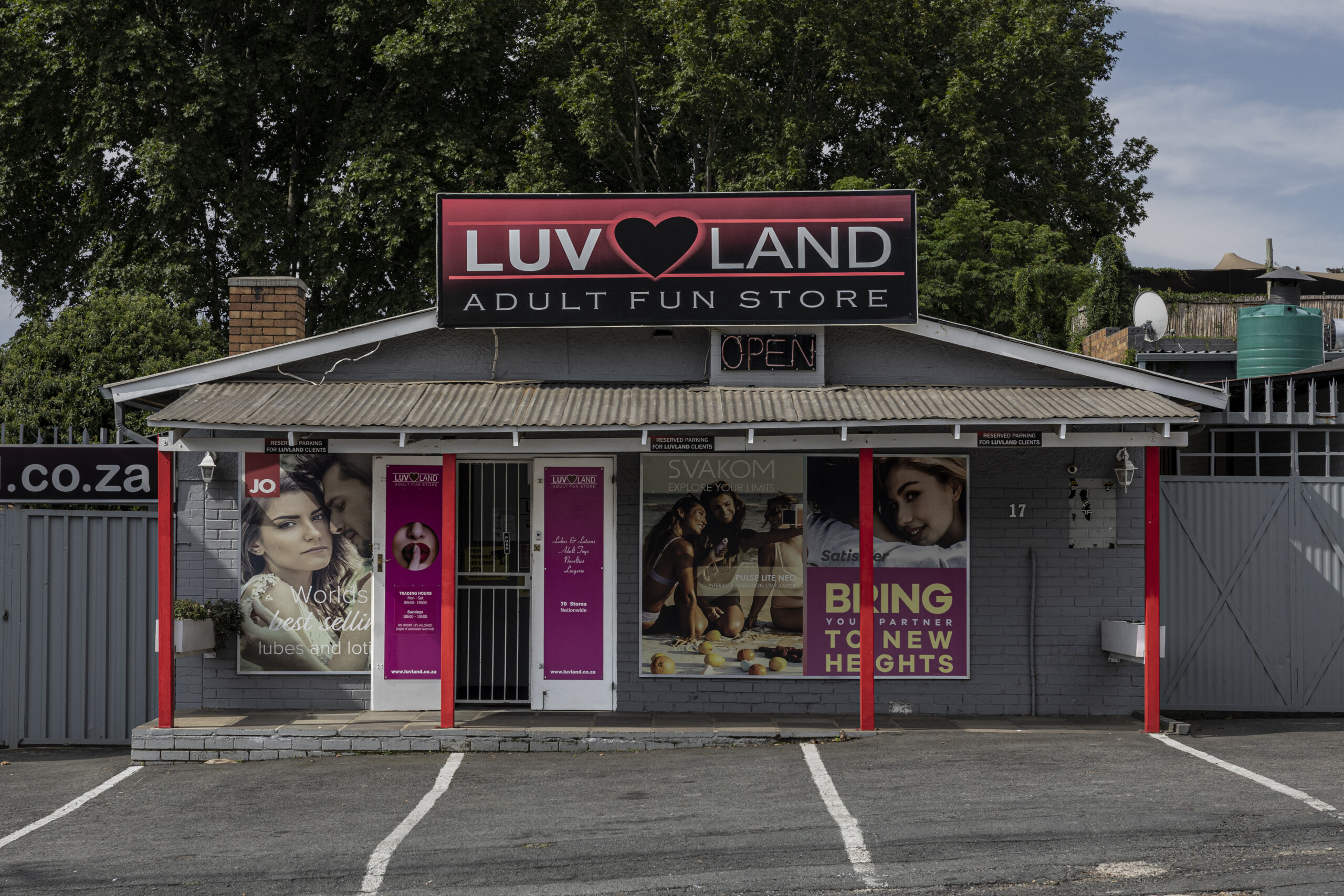
A provocative poster adorns lampposts throughout an affluent Johannesburg neighbourhood: a finger pressed to crimson lips with the word “Luvland” split by a heart symbol. At the street corner stands one of the brand’s 80 South African boutiques, representing a remarkable phenomenon on a continent where adult stores remain scarce or banned entirely.
South Africa has emerged as a continental outlier, boasting a thriving sex store industry born from entrepreneurial ambition, post-apartheid sexual liberation, and unlikely inspiration from American pornography magnate Larry Flynt.
From prohibition to liberation
The transformation reflects South Africa’s dramatic social evolution since 1994. Sharon Gordon (64), a former human rights lawyer who pioneered the luxury adult retail sector with her Lola Montez brand in the 2000s, witnessed this cultural shift first hand.
“During the apartheid era, we were a very staunch Calvinistic society,” Gordon explained. “The Church governed most things. Pornography was illegal. You went to jail for it.”
The democratic transition changed everything. “Then 1994 comes, we have our first elections, and a whole lot of stuff is legalised. Pornography is legalised, cross-cultural marriage is legalised, gay marriage is legalised, abortion is legalised,” she said.
Industry transformation
The once-seedy establishments that primarily served male customers with pornography and viewing booths underwent complete makeovers during the 2010s. Today’s “adult stores” target women and couples, resembling upscale cosmetic boutiques with discreet packaging, massage oils, intimate games, and wellness products.
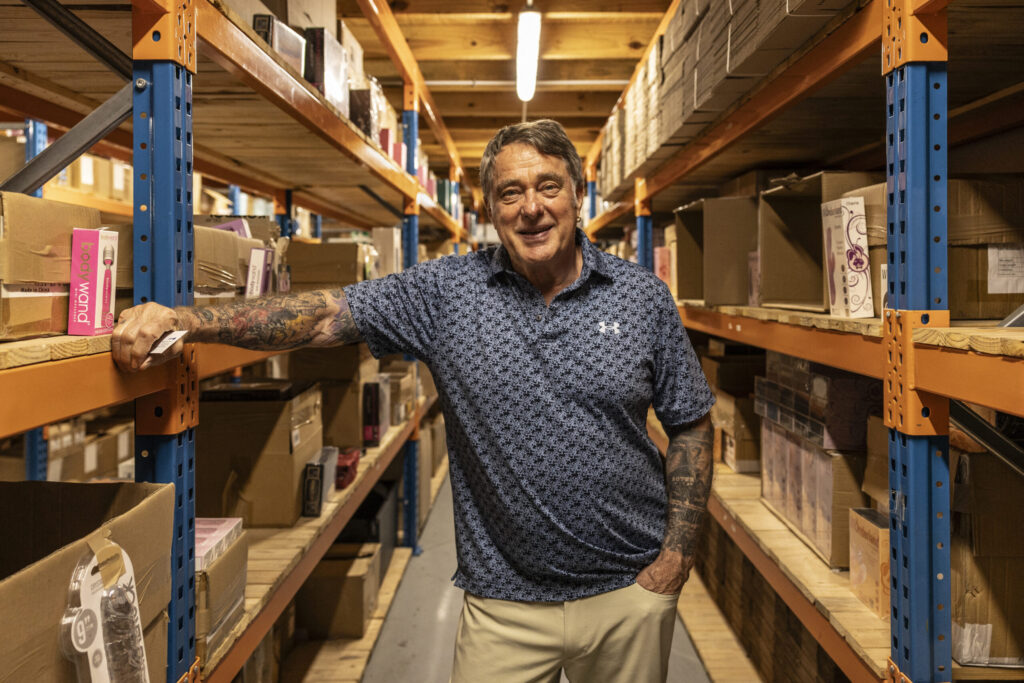
Patrick Meyer, a tattooed septuagenarian with rock-star flair, spearheaded this transformation while expanding his Luvland franchise. After brief involvement in telephone entertainment services, his former partner secured South African distribution rights for Hustler magazine from Flynt himself.
Following successful Hustler outlet operations, Meyer returned to the industry in the 2010s, acquiring the Luvland franchise and its dozen locations for comprehensive rebranding.
Market evolution
Meyer’s strategy drew inspiration from the massive success of “Fifty Shades of Grey” in 2011. He eliminated pornography booths, installing glass shelving and creating welcoming environments for female and couple clientele.
“My stores looked good for women to come in and couples,” Meyer said from his Johannesburg warehouse, where 250 employees prepared orders during the busy Christmas and summer holiday season.
The company plans to expand to 100 locations, offering physical retail alongside online sales. In-store staff provide product education, safety information, and broader sexuality guidance while serving walk-in customers seeking hands-on shopping experiences.
Demographic challenges
Both Gordon and Meyer acknowledge their customer base remains predominantly white, representing roughly 4.5 million of South Africa’s 63 million inhabitants. This demographic concentration may partially explain the industry’s unique South African success.
HunnyBunn store owner Dominic Mabaso (35), works to broaden appeal among Black South Africans, addressing religious and cultural barriers.
“I see more black people buying toys… they feel safer in a space where I’m a black person and I’m telling you, ‘Guys, it’s okay,’” Mabaso said. “I’m giving you a breakdown, educating you, starting you small, maybe letting you know that a sex toy doesn’t have to be a big deal.”
Breaking stigma
At November’s Love Expo near Pretoria, first-time visitors Evans (30) and Sandy (35), represented emerging market segments. Evans cited curiosity as his motivation, while Sandy emphasised challenging social taboos.
“There’s so much stigma around sexual liberation,” Sandy observed. “I am looking to break that, to say, ‘Let’s break this chain.’”
Their presence signals potential expansion beyond traditional demographics as South Africa’s adult retail industry continues evolving in the post-apartheid era.




You must be logged in to post a comment.