

South African motorists are in line for a massive sigh of relief at the pumps next month.
A dramatic plunge in global oil prices alongside a surging local currency is set to drive fuel prices down significantly in July – comfortably absorbing the total expiration of the government’s multi-billion rand fuel levy relief scheme.
Mid-month data from the Central Energy Fund (CEF) shows massive over-recoveries across the board for petrol, diesel, and illuminating paraffin.
While the National Treasury is fully terminating its temporary fuel tax holiday on 1 July – clawing back R1,50 per litre for petrol and R1,96 per litre for diesel – the international data remains so overwhelmingly positive that motorists will still come out ahead.
Before accounting for the tax reintroduction, mid-month over-recoveries sat at a staggering R2,57 to R2,60 per litre for petrol, and well over R4,20 per litre for diesel.
- Petrol 93 – projected R1,10 decrease
- Petrol 95 – projected R1,07 decrease
- Diesel 0,05% – projected R2,32 decrease
- Diesel 0.005% – projected R2,61 decrease
Note: These projections consider current recovery data and the fuel levy return. They do not account for potential adjustments to the slate levy, which could alter the final pump prices.
If current trends hold until month-end, the official prices at the pumps will see an aggressive drop from June’s highs. Paraffin users will experience the most substantial relief, with prices falling by over R4,50 per litre as illuminating paraffin is unaffected by the fuel levy clawback.
Inland pricing expected in July
93 Petrol: From R27,95 to R26,85
95 Petrol: From R28,06 to R26,99
Diesel 0,05% (Wholesale): From R27,92 to R25,60
Diesel 0,005% (Wholesale): From R29,26 to R26,65
Illuminating Paraffin: From R22,47 to R17,90
Coastal pricing expected in July
93 Petrol: From R27,16 to R26,06
95 Petrol: From R27,19 to R26,12
Diesel 0,05% (Wholesale): From R27,05 to R24,73
Diesel 0,005% (Wholesale): From R28,00 to R25,39
Illuminating Paraffin: From R21,42 to R16,85
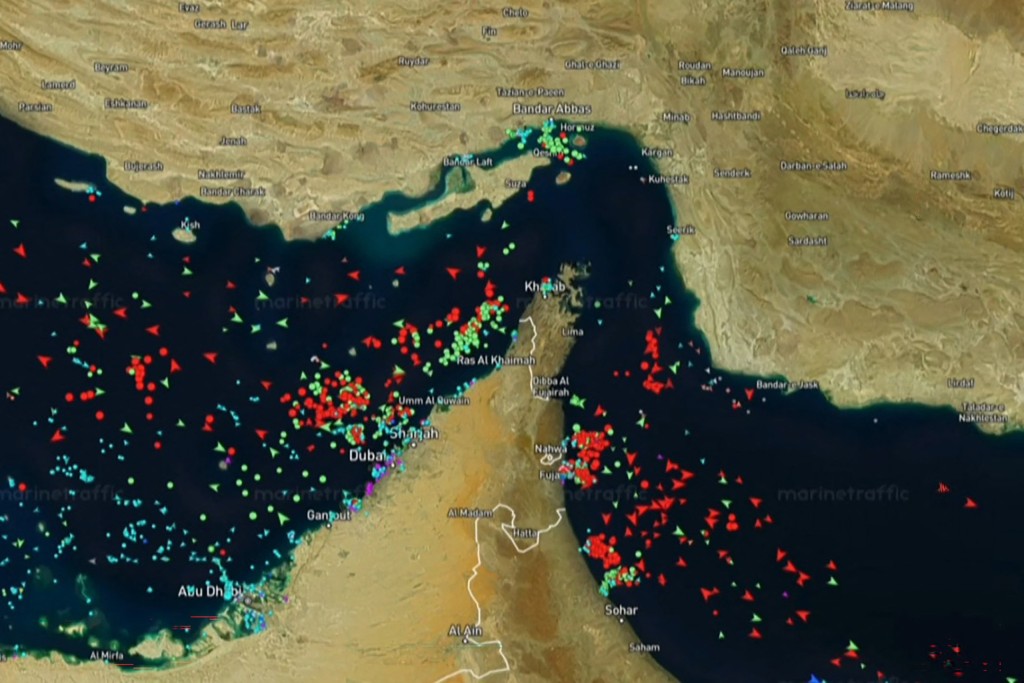
Peace in the Middle East drives oil crash
This sudden turnaround in economic fortunes is anchored by sweeping drops in global crude oil, which plummeted from recent highs above $110 a barrel to around $83 a barrel.
The price collapse follows a breakthrough interim deal between the United States and Iran, effectively bringing an end to their months-long war. The deal includes the end of a blockade on Iran and the “toll-free opening” of the vital Strait of Hormuz waterway, instantly easing a severe global supply crunch. While energy analysts and shipping traders urge caution regarding the fine print and timelines to ramp up production, the psychological relief on the markets has been immediate.
Simultaneously, the South African rand has capitalized on the shifting global sentiment. As geopolitical risk subsides, investors are rushing back to emerging markets. Bolstered further by local credit rating upgrades, higher-than-expected economic growth, and a widening current account surplus, the rand has broken out of its R16,50/$ holding pattern, marching firmly toward R16,17/$.
Civil society calls for permanent relief
The positive outlook comes amid intense pressure from civil society groups regarding the high cost of living. Economists expect an upcoming CPI reading close to 5% year-on-year — the highest since mid-2024 — largely driven by May’s painful fuel price spike.
The temporary fuel tax relief, jointly introduced in April by the Minister of Finance and the Minister of Mineral and Petroleum Resources, cost the state an estimated R17,2 billion in foregone revenue.
Though designed to be fiscally neutral, civil rights organisation AfriForum has formally written to Finance Minister Enoch Godongwana, urging him to make the relief permanent rather than letting levies revert to R4,10 for petrol and R3,93 for diesel on 1 July.
“The situation in the Middle East remains at a knife’s edge and one would be naïve to think the global economy is out of the woods,” stated Ernst van Zyl, Head of Public Relations at AfriForum. “The temporary nature of the fuel levy reduction risks simply postponing the price pressure on South African consumers… It’s the government’s responsibility to help consumers avoid this pain permanently.”
While a policy shift from Treasury is unlikely ahead of 1 July, the impending price cuts will provide a vital buffer for cash-strapped consumers, with the longer-term reversal in oil expected to slowly dial back broader inflationary pressures across the domestic economy.


You must be logged in to post a comment.