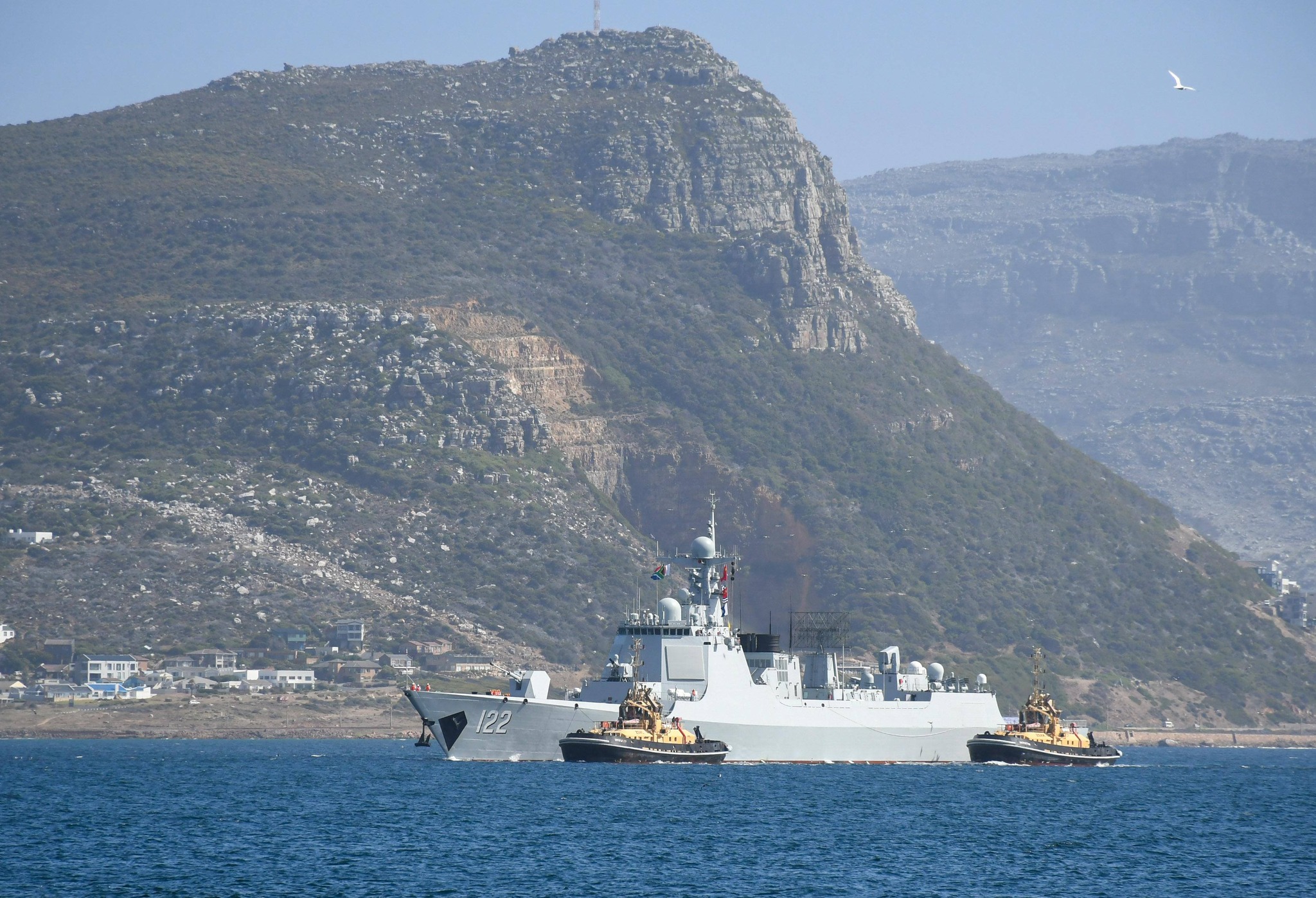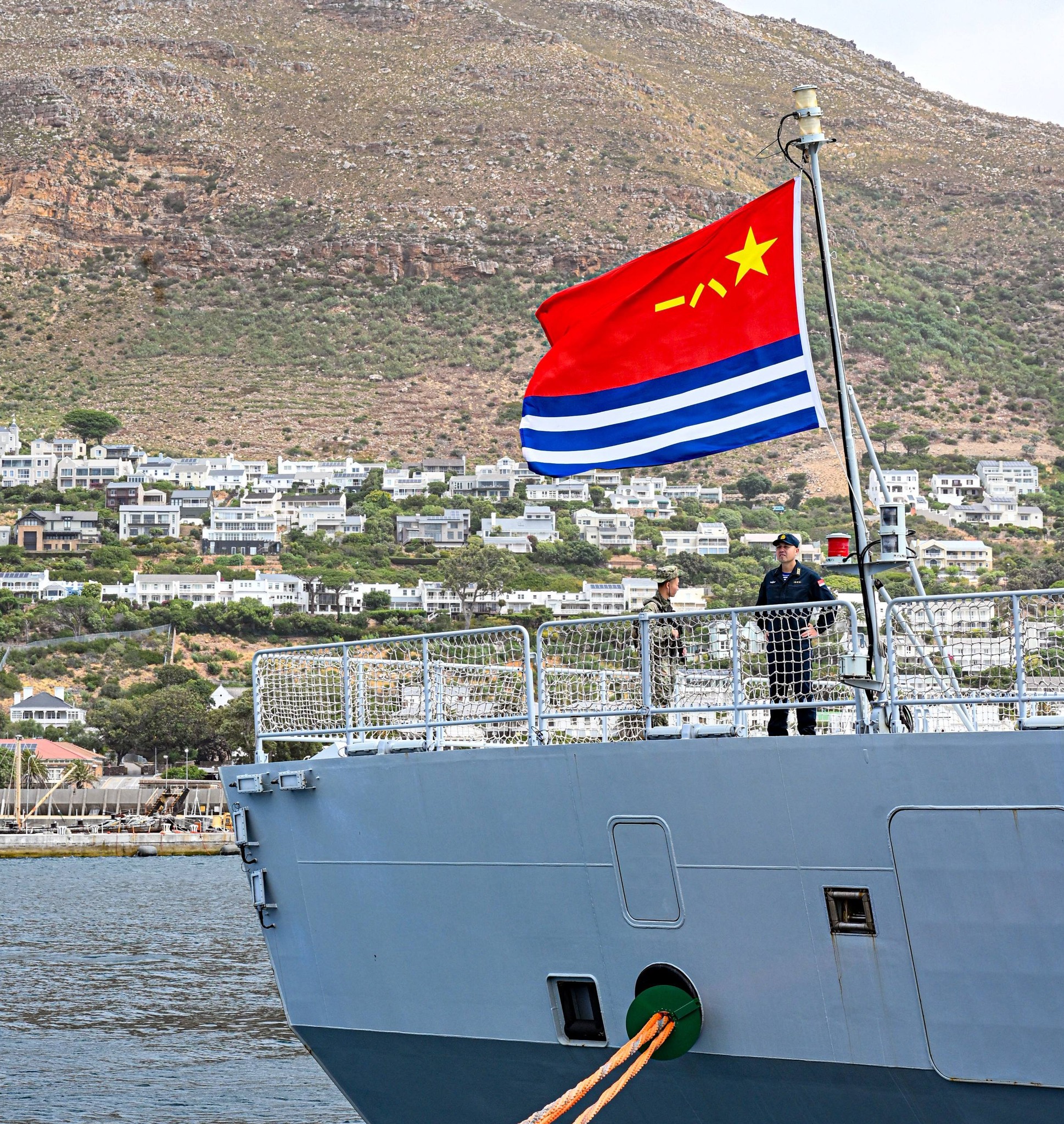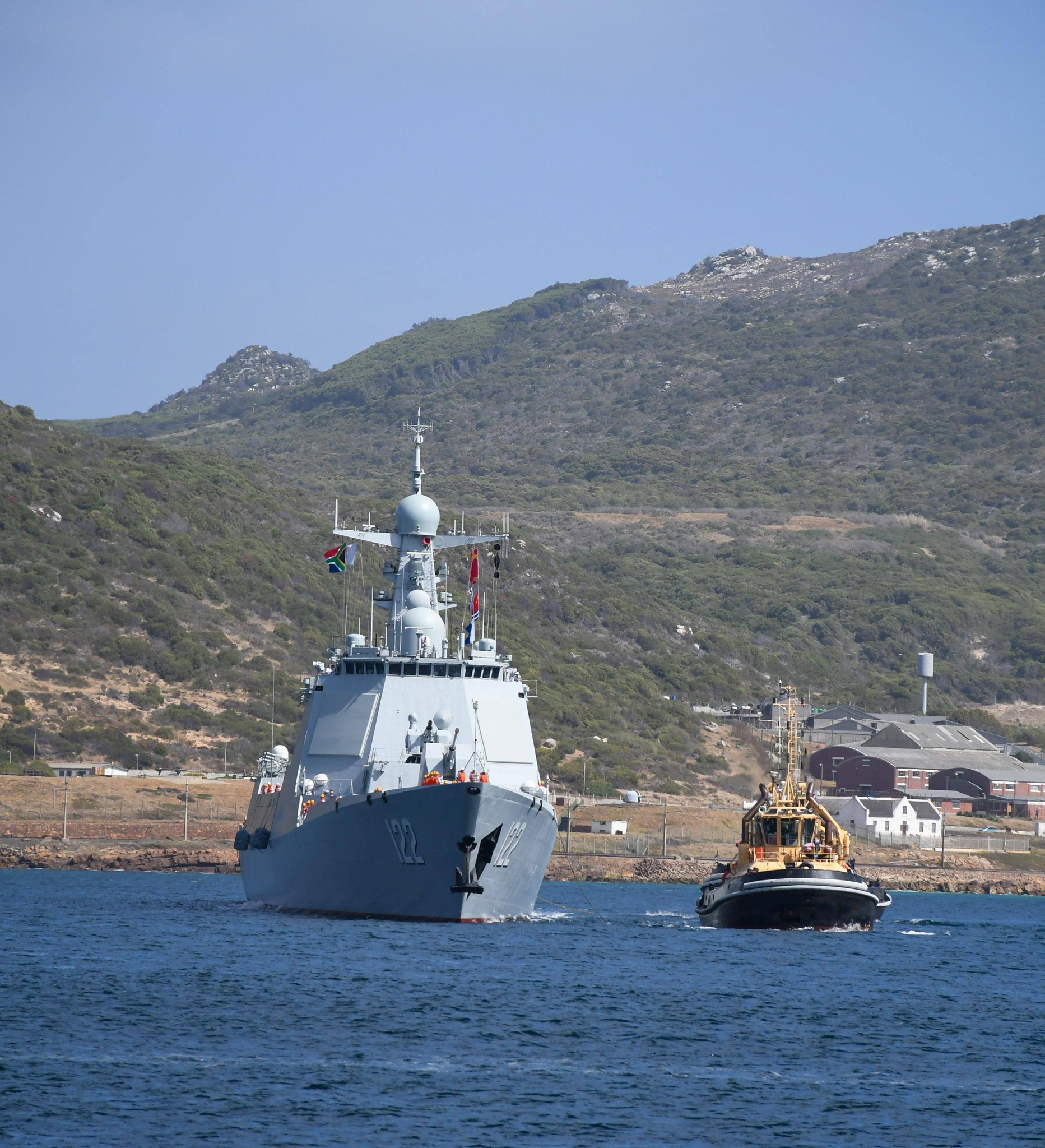
CAPE TOWN – South Africa’s Defence Minister Angie Motshekga has ordered a formal inquiry into reports that Iranian warships participated in recent multinational naval exercises off Cape Town, apparently in defiance of explicit presidential instructions to exclude them.
The investigation, announced on Friday by the defence ministry, comes after the United States sharply criticised the week-long military drills that brought together vessels from China, Iran, Russia and the United Arab Emirates in South African waters.
According to local media reports, President Cyril Ramaphosa had specifically instructed the defence minister to withdraw three Iranian warships from the exercises, which took place amid international condemnation of Iran’s deadly crackdown on anti-government protesters.
Conflicting reports on Iranian involvement
The extent of Iran’s actual participation remains unclear. While images emerged showing at least one Iranian vessel at sea, a defence ministry social media post on Tuesday that initially listed an Iranian corvette among the participants was subsequently removed without explanation.
The defence ministry statement announcing the probe said Motshekga had “clearly communicated” the president’s instruction, though it did not specify the exact nature of that order. The president’s office has not confirmed the reported directive to exclude Iranian ships.
A board of inquiry will investigate “whether the instruction of the president may have been misrepresented and/or ignored,” the ministry statement said.
Diplomatic tensions with Washington
The controversy has added strain to South Africa’s already troubled relationship with the United States. The U.S. embassy on Thursday condemned Iran’s presence in the exercises as “particularly unconscionable” given Tehran’s violent suppression of protesters, which independent monitors say has left thousands dead.
The China-led exercises, involving nations from the BRICS alliance, were officially described by South African defence forces as aimed at ensuring “the safety of shipping lanes and maritime economic activities.”
However, the participation of countries with major diplomatic differences with the United States comes at a sensitive time for Pretoria, which has been working to repair relations with Washington.
Pattern of strained relations
The current administration under President Donald Trump has accused South Africa of pursuing anti-American policies. The U.S. boycotted a G20 summit hosted by South Africa in November and has imposed 30-percent trade tariffs on South African goods.
This is not the first time South Africa’s military engagements with Iran have caused diplomatic friction. In August, Ramaphosa’s office publicly rebuked the defence force for allowing the country’s top general to visit Iran, where he reportedly called for increased defence cooperation.
A presidential spokesman at the time said the visit was unhelpful as South Africa was managing “a very delicate exercise of resetting diplomatic relations with the United States.”
The outcome of the defence ministry’s investigation could have significant implications for South Africa’s military leadership and its broader foreign policy approach as it seeks to balance relationships with major global powers.
ALSO READ: US condemns Iran’s participation in South African naval exercises
This latest naval exercise controversy follows another diplomatic incident involving South Africa’s military leadership and Iran. Last year, South African National Defence Force chief General Rudzani Maphwanya sparked outrage during an official visit to Iran when he made unauthorised political statements that exceeded his constitutional mandate.
During meetings with Iranian military officials, Maphwanya told his hosts that his visit carried “significant political weight” and expressed “heartfelt feelings to the peace-loving nation of Iran.” He also praised Iran’s military capabilities and endorsed potential cooperation between the two countries.
The statements prompted swift clarification from both the Ministry of Defence and the Department of International Relations, who emphasised that Maphwanya’s comments did not reflect official government policy. The opposition Democratic Alliance demanded his court-martial, arguing that his political statements violated military neutrality requirements and constituted gross misconduct.
The incident was seen as part of a broader pattern of controversial foreign policy decisions that have strained South Africa’s relationships with traditional allies while drawing closer to countries under international sanctions.
ALSO READ: SANDF chief in crossfire after controversial Iran visit