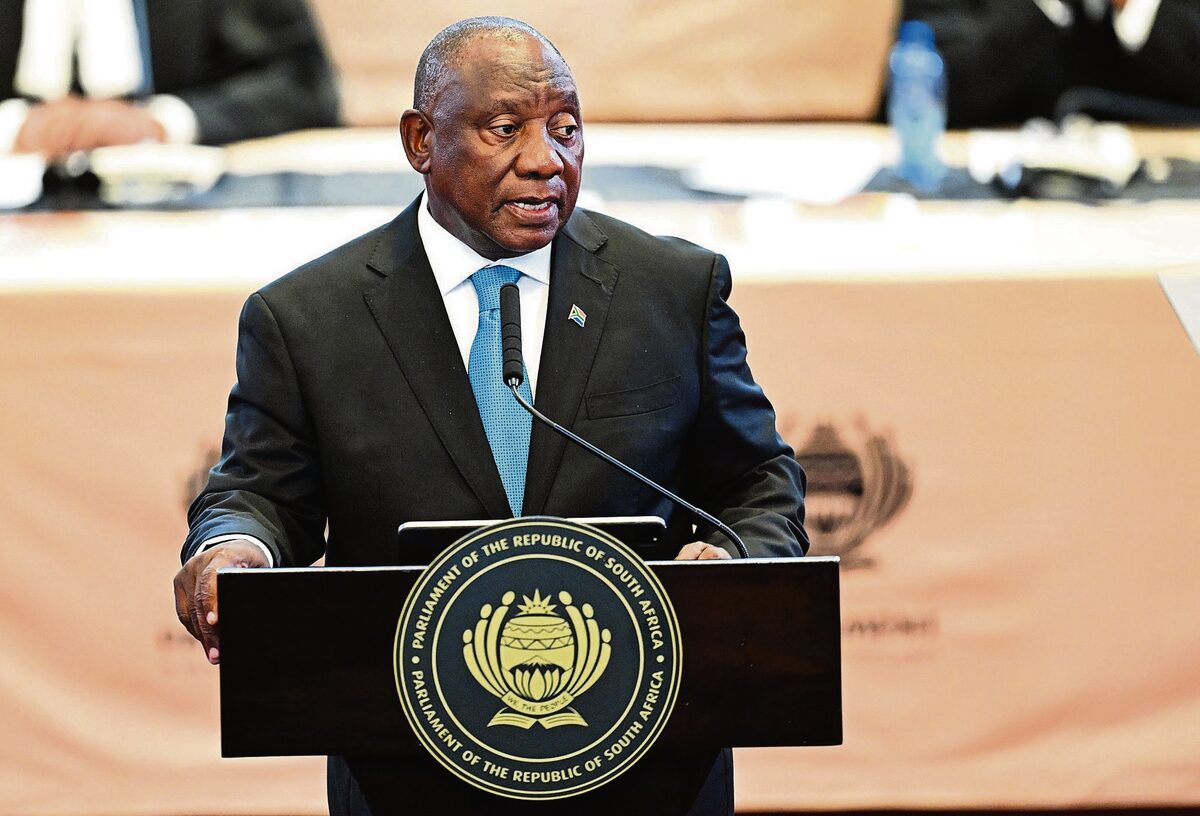
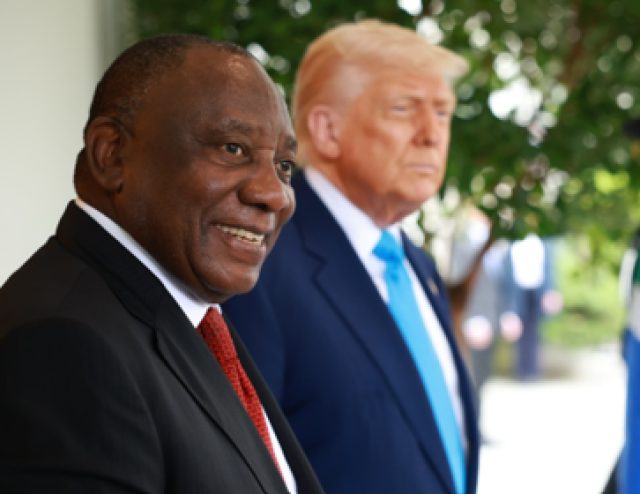
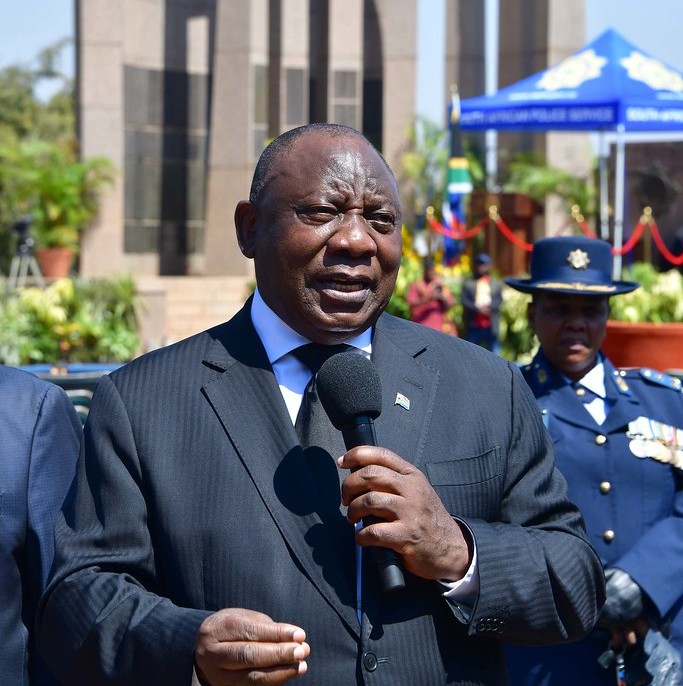
President Cyril Ramaphosa today expressed serious concern over the United States’ decision to impose 30% reciprocal tariffs on South African products, announcing that the government will continue diplomatic negotiations while preparing support measures for affected businesses.
The tariffs, announced as part of President Donald Trump’s broader trade policy affecting multiple US partners, are set to take effect at on 7 August.
In response to the tariff announcement, South Africa has submitted a Framework Deal to the United States aimed at enhancing mutually beneficial trade and investment relations. President Ramaphosa emphasized that all channels of communication remain open with US authorities, and South African negotiators are ready to engage pending an invitation from the American side.
“South Africa will continue negotiating with the US regarding the 30 percent tariff,” Ramaphosa stated, highlighting the government’s commitment to resolving the trade dispute through diplomatic means.
The South African government noted that several critical exceptions from previous US Executive Orders will remain in force. These exceptions cover essential products such as copper, pharmaceuticals, semiconductors, lumber articles, certain critical minerals, stainless steel scrap
and energy and energy products.
ALSO READ: Trump’s Trade Blow: 35 000 jobs on the line as US slaps heavy tariffs on exports
Recognizing the potential impact on local businesses, the South African government is finalizing a comprehensive support package for companies vulnerable to the reciprocal tariffs. The package will include various measures to assist affected companies, producers, and workers whose exports to the US face the new tariffs.
“The details of the measures will be announced in due course,” the presidency stated, indicating that specific support mechanisms are still being developed.
As part of its response strategy, the government is intensifying economic diversification efforts to build resilience against such trade disruptions. The Department of Trade, Industry and Competition (DTIC) is working closely with export councils, industry associations, and major US exporters to identify alternative markets.
An Export Support Desk has been established to provide updates on developments and advisory services to exporters. The DTIC will publish full details of this service on its website.
President Ramaphosa defended the nature of South Africa-US trade relations, emphasizing that “South African exports do not pose a threat to US industry.” He highlighted that South African exports to the US contain inputs from across the African continent, contributing to intra-Africa trade development.
“South Africa and US trade relations are complementary in nature,” the president stated, arguing that the tariffs may be misplaced given the mutually beneficial nature of the trade relationship.
The US Executive Order provides some relief for goods already in transit. Products loaded onto vessels at ports and in transit before the tariff implementation date, and entered for consumption or withdrawn from warehouse before 5 October, will not be subject to the new 30% tariffs. These goods will instead remain subject to previously imposed duties.
The South African government has committed to pursuing all diplomatic efforts to safeguard national interests while keeping people employed and companies operational.
“It is important that as a country we keep our people at work and our companies producing some of the high-quality products destined for many parts of the world,” Ramaphosa said.
The DTIC remains in constant contact with US authorities regarding the Framework Deal, indicating ongoing efforts to find a mutually acceptable resolution to the trade dispute.