The Presidency has dismissed claims that South Africa is isolated from the African continent, amid mounting diplomatic pressure following months of anti-migrant violence that has drawn sharp criticism from nations across Africa.
Presidential Spokesperson Vincent Magwenya described the claims as part of a “sustained misinformation campaign” aimed at portraying South Africa as a pariah state, despite government condemnation of vigilantism and its commitment to constitutional immigration enforcement.
“Over the last two months, we have observed a sustained campaign that seeks to isolate South Africa from the rest of the African continent, under the guise of protesting against the recent wave of anti-illegal migration protests,” Magwenya said at a media briefing at the Union Buildings on Wednesday.
Continental backlash intensifies
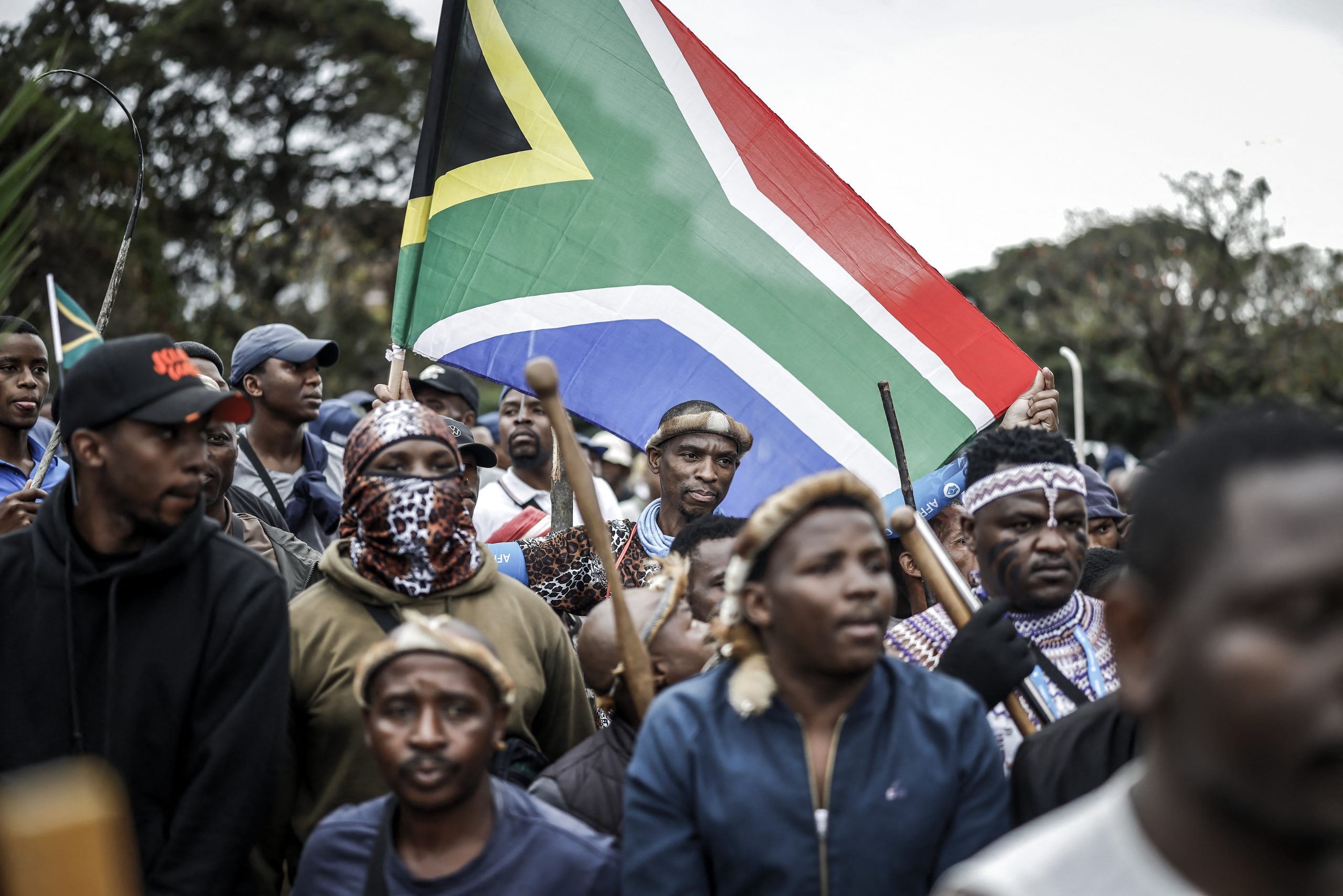
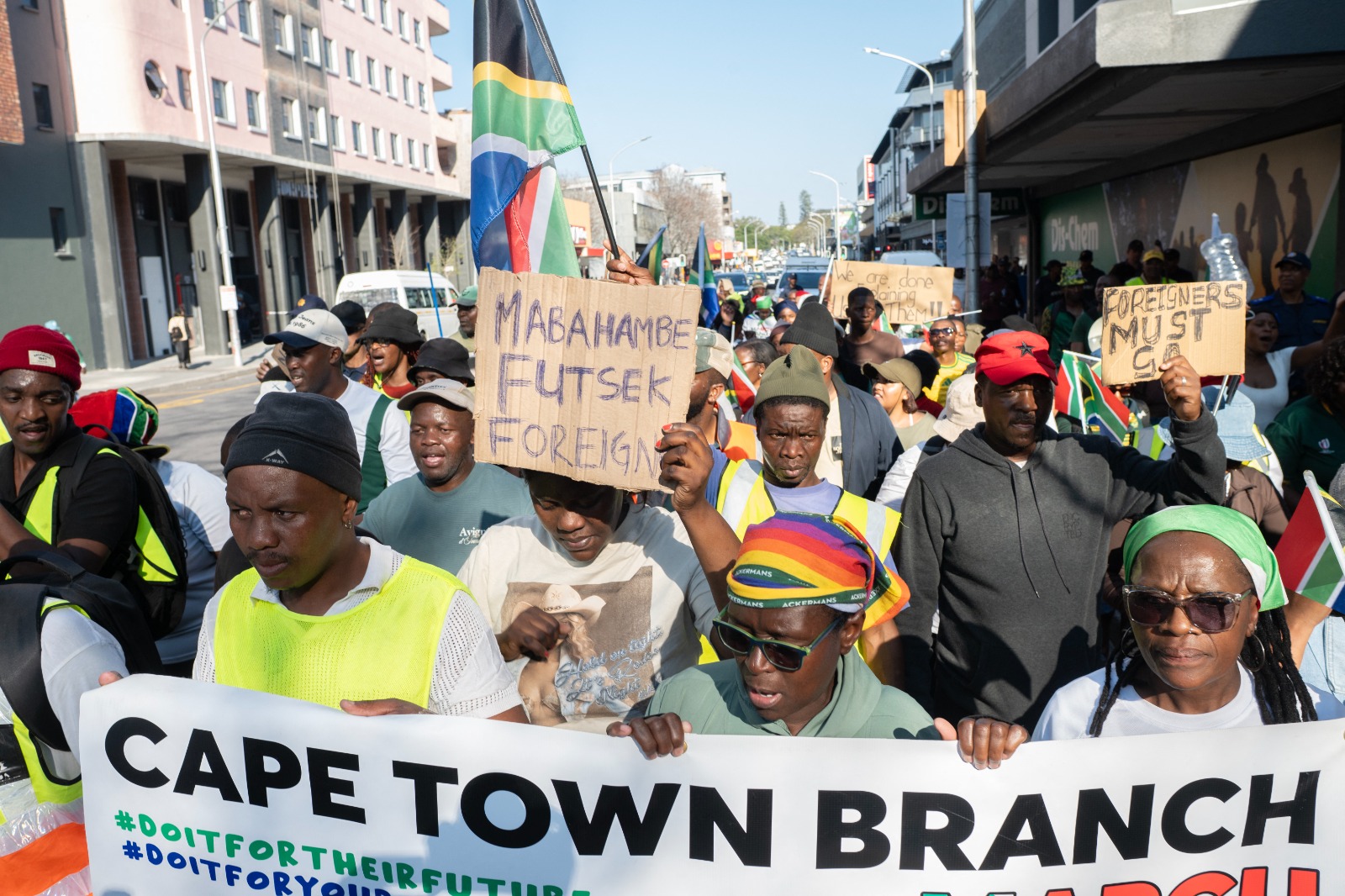
The Presidency’s pushback comes as South Africa faces unprecedented diplomatic pressure from African nations angered by xenophobic attacks and the activities of anti-migrant groups such as Operation Dudula and the March on March movement.
Nigeria has emerged as one of the most vocal critics. Following the deaths of two Nigerian nationals in late June, the government summoned South Africa’s acting high commissioner and warned that “all options remained on the table” if the violence continued. Nigerian Foreign Minister Bianca Odumegwu-Ojukwu threatened retaliatory measures against South African companies operating in Nigeria, stating any such actions would follow due legislative processes.
Nigeria has initiated the repatriation of more than 1 000 of its citizens, whilst Ghana has facilitated the evacuation of at least 300 nationals.
Ghana’s foreign minister, Samuel Ablakwa, summoned South Africa’s acting high commissioner in April to convey strong condemnation and subsequently lobbied the African Union to hold a debate on xenophobia in South Africa during the mid-year coordination summit.
In a symbolic diplomatic protest, a group of African ambassadors and high commissioners boycotted South Africa’s official Africa Day event in North West province in May.
Mozambique reported that five of its citizens were killed in xenophobic attacks, prompting President Daniel Chapo to meet with President Cyril Ramaphosa to discuss the protection of Mozambican nationals. The government provided buses to repatriate more than 1 100 citizens from the Mossel Bay area.
Zimbabwe’s ruling ZANU-PF party condemned the violence as a betrayal of African unity, whilst Justice Minister Ziyambi Ziyambi urged Zimbabwean citizens facing attacks to return home. Kenya, Lesotho and Malawi issued formal warnings to their citizens living in South Africa, advising them to exercise caution and remain indoors.
In June, the African Commission on Human and Peoples’ Rights issued a formal statement expressing “grave alarm” and strongly condemning acts of intimidation, attacks and violence directed against migrants from other African states.
Operation Dudula’s role in crisis
The diplomatic crisis has been fuelled largely by the activities of Operation Dudula, an anti-migrant group that has escalated its vigilante actions since mid-2025.
The group has physically blocked foreign nationals from accessing public hospitals and clinics in Gauteng and KwaZulu-Natal, announced campaigns to prevent non-South African children from enrolling in public schools, and engaged in unauthorised identity checks and evictions of foreign nationals from homes and trading stalls.
In November 2025, a South African court ruled that Operation Dudula must stop blocking access to public facilities and labelled certain activities, including the eviction of foreign nationals, as hate speech.
Government defends diplomatic standing
Magwenya stressed that South Africa continues to enjoy strong relations both on the continent and internationally, citing President Ramaphosa’s recent working visit to France, where he met French President Emmanuel Macron and co-chaired the Leaders Group meeting of the High-Level Steering Committee on Education.
He highlighted engagements with African leaders through bilateral meetings, telephone calls, bi-national commissions and Southern African Development Community summits, including discussions with the presidents of Botswana, Kenya, Malawi, Mozambique and Zimbabwe.
Magwenya also pointed to Ramaphosa’s recent working visit to the Democratic Republic of Congo, where South Africa pledged financial support to assist the country’s response to the Ebola outbreak, and International Relations and Cooperation Minister Ronald Lamola’s visit to South Sudan as South Africa’s representative in the African Union Committee of Five.
“This demonstrates a South Africa and a president that is fully engaged with contributing towards a better Africa and a better world,” Magwenya said.
He raised concern over what he described as the deliberate spread of false information by a diplomatic representative, stating that “even ordinary diplomatic exchanges over meetings have been deliberately misrepresented to create an impression that South Africa is being isolated”.
“As the Presidency, we firmly reject and caution against the peddling of false information against South Africa, and we further assert that any campaign that seeks to misrepresent what South Africa is and represents will be rejected with the utmost contempt that it deserves,” he said.
ALSO READ: African countries must tackle instability driving migration, says South Africa
Underlying tensions
The diplomatic crisis reflects deeper tensions surrounding South Africa’s position as both a destination for African migrants seeking economic opportunities and a country grappling with unemployment exceeding 30%.
Analysts note that whilst the South African government has consistently condemned violence and vigilantism, describing it as “un-South African” and mob justice, the persistence of anti-migrant sentiment has strained the country’s Pan-African credentials and threatened trade and investment prospects.
Some West African politicians have called for retaliatory measures against South African corporations operating in their countries, whilst the Cross-Border Road Transport Agency has warned of potential retaliatory protests at borders such as Lebombo and Kosi Bay.
Lamola has urged SADC to hold constructive discussions on the push and pull factors of migration to address the crisis at a regional level, acknowledging that the issue requires collective continental engagement.
Despite the Presidency’s assertions, the diplomatic fallout from months of anti-migrant violence has placed South Africa’s continental relationships under unprecedented strain, raising questions about the country’s ability to maintain its leadership role in African affairs whilst managing domestic pressures over migration.
“Once again, we assert that South Africa is not isolated and can never be isolated from the rest of the African continent,” Magwenya said.
ALSO READ: South Africa vows firm response to anti-migrant violence