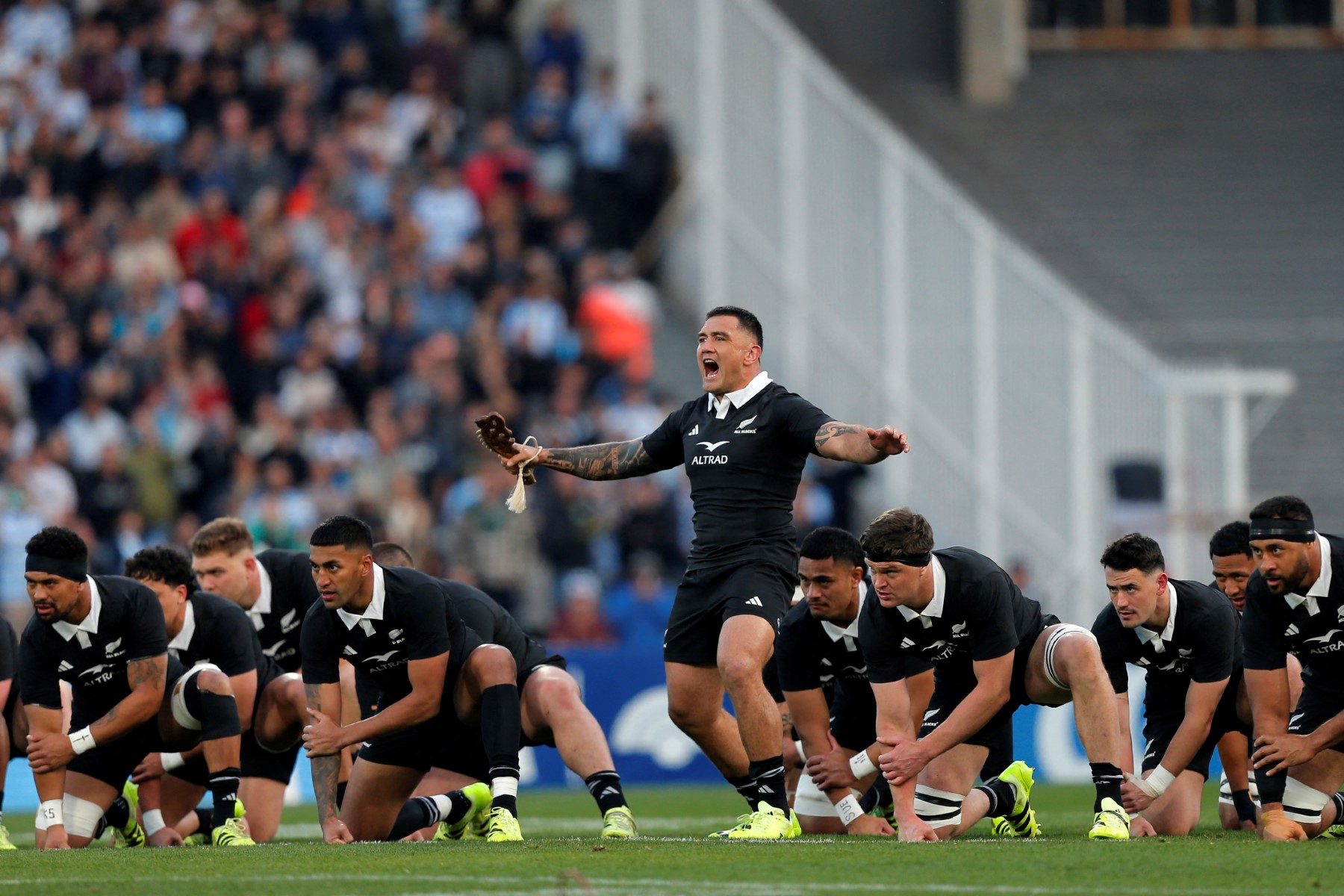
Trade union Solidarity has fired the opening salvo in what promises to be a fierce legal battle, condemning Minister Mpho Parks Tau’s decision to declare the Rugby’s Greatest Rivalry 2026 Tour a protected event under the Merchandise Act. The move, which grants government sweeping powers over the All Blacks’ visit to South Africa, has been labelled a dangerous power grab that threatens private sporting events nationwide.
The declaration, gazetted on 2 July 2026, designates matches between 7 August and 12 September as protected, imposing stringent procurement requirements on SA Rugby that mirror public sector regulations. Solidarity’s legal team is already mobilising, submitting formal objections and preparing to challenge the measures on all available constitutional grounds.
State hijacking of private events
Theuns du Buisson, economic researcher at the Solidarity Research Institute, pulled no punches in his assessment of the ministerial directive. “This amounts to the state hijacking a rugby tour for its own political gain,” he declared, highlighting the attempt to impose controversial BEE regulations and procurement frameworks on what should remain a private sporting occasion.
The timing is particularly contentious. Solidarity is already challenging the Public Procurement Act in the Constitutional Court, making the government’s decision to impose identical requirements on independent events legally questionable at best.
Absurd implications for businesses
The practical consequences could prove devastating for businesses already contracted to supply merchandise and services. “If applied to its fullest extent, only 100% black-owned businesses may have the right to manufacture or sell Springbok supporter jerseys,” Du Buisson warned. “Such an outcome is simply absurd.”
Existing contracts for supporter gear, marketing materials and event services now hang in the balance, with organisers potentially forced to tear up agreements to comply with ministerial demands for procedural fairness, equity and transparency mirroring public sector standards.
Dangerous precedent looms
Beyond the immediate rugby implications, Solidarity warns of a chilling precedent. “Once a minister can declare anything in the ‘public interest’ and subject it to state procurement requirements, there is virtually no limit to interference,” Du Buisson cautioned. “Today it is rugby. Tomorrow the same principle could strangle countless private cultural and sporting events.”
The additional administrative burden, including mandatory impact reports to the minister within 6-12 months of the tour’s conclusion, will increase hosting costs precisely when South Africa should be encouraging international events, not deterring them through excessive state control.