LOS ANGELES, USA – A groundbreaking trial beginning this week in Los Angeles could establish a legal precedent on whether social media companies deliberately designed their platforms to addict children.
Jury selection is set to start in California state court on Tuesday in what is being called a “bellwether” proceeding because its outcome could set the tone for a wave of similar litigation across the United States.
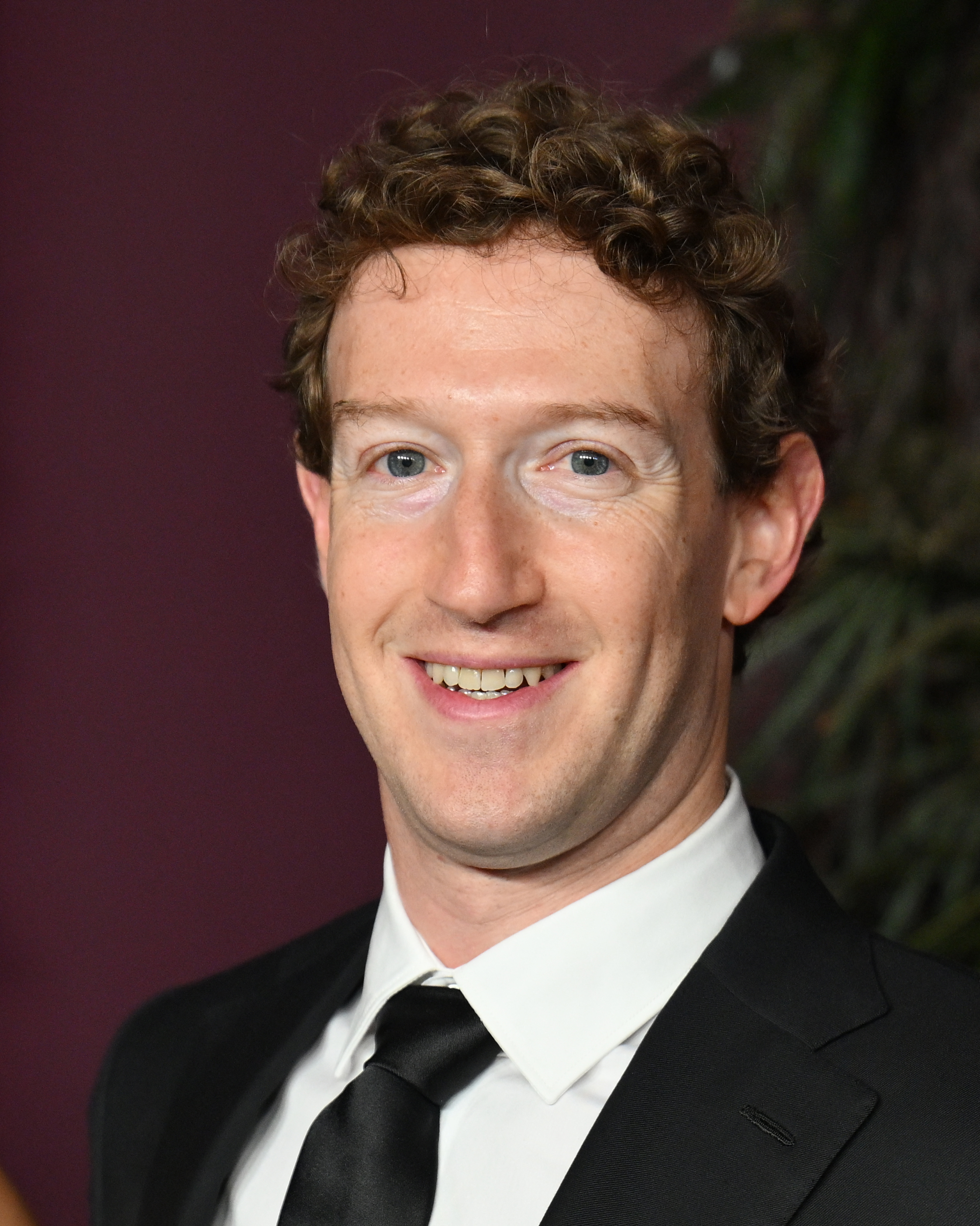
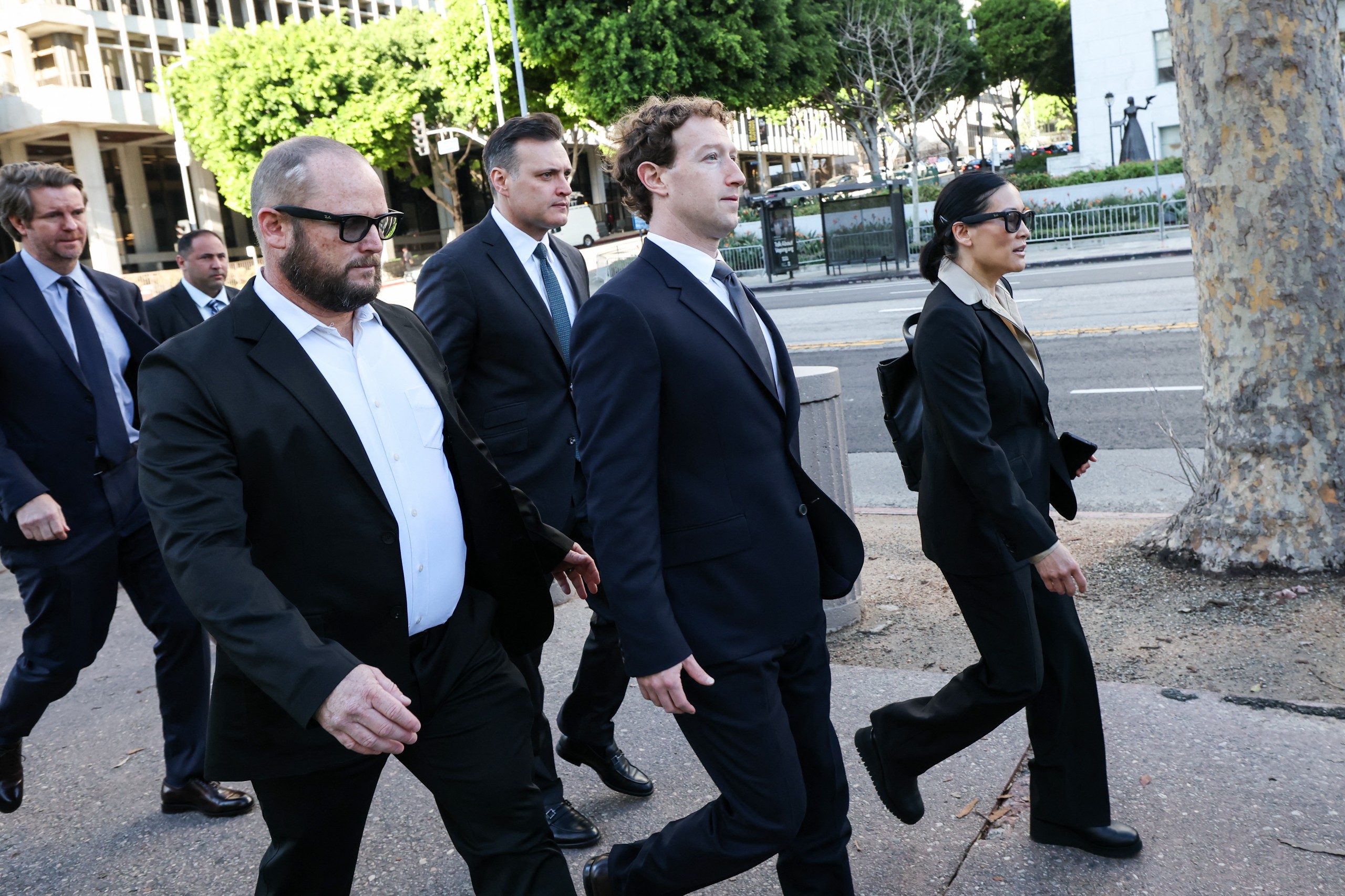
The defendants in the suit are Alphabet, ByteDance and Meta, the tech titans behind YouTube, TikTok and Instagram respectively. Meta co-founder and chief executive Mark Zuckerberg is slated to be called as a witness during the trial.
Borrowing tobacco industry tactics
Social media firms are accused in hundreds of lawsuits of addicting young users to content that has led to depression, eating disorders, psychiatric hospitalisation and even suicide.
Lawyers for the plaintiffs are explicitly borrowing strategies used against the tobacco industry in the 1990s and 2000s that faced a similar onslaught of lawsuits arguing that companies sold a defective product.
The trial before Judge Carolyn Kuhl in state court is expected to start the first week of February, after a jury is selected. It focuses on allegations that a 19-year-old woman identified by the initials K.G.M. suffered severe mental harm because she was addicted to social media.
First jury trial against social media firms
“This is the first time that a social media company has ever had to face a jury for harming kids,” said Social Media Victims Law Center founder Matthew Bergman, whose team is involved in more than 1 000 such cases.
The centre is a legal organisation dedicated to holding social media companies accountable for harms caused to young people online.
“The fact that now K.G.M. and her family get to stand in a courtroom equal to the largest, most powerful and wealthy companies in the world is, in and of itself, a very significant victory,” Bergman said.
Design not content at issue
A decisive outcome of the trial could provide a “data point” for settling similar cases en masse, according to Bergman.
Snapchat last week confirmed that it made a deal to avoid the civil trial accusing it, along with Meta, TikTok and YouTube, of addicting young people to social media. The terms of that deal were not disclosed.
Internet titans have argued that they are shielded by Section 230 of the US Communications Decency Act, which frees them of responsibility for what social media users post.
However, this case argues those firms are culpable for business models designed to hold people’s attention and promote content that winds up harming their mental health.
“We are not faulting the social media companies for failure to remove malign content from their platforms,” Bergman told AFP. “We are faulting them for designing their platforms to addict kids and for developing algorithms that show kids not what they want to see but what they cannot look away from.”
International restrictions gathering momentum
The US legal challenges come as governments worldwide increasingly move to restrict children’s access to social media platforms.
France is preparing to join a growing international movement, with a new draft law proposing to ban platforms for users under-15 by September 2026. The legislation, backed by President Emmanuel Macron, would make France the second major nation to impose such restrictions.
ALSO READ: France proposes social media ban for under-15s following Australia’s lead
Australia implemented the world’s first comprehensive social media ban for under-16s in December 2025, prohibiting children from accessing major platforms including TikTok, Facebook, Instagram, YouTube, and Snapchat. The law imposes fines of up to AUS$49.5 million (approximately $32 million) on platforms that fail to prevent underage access.
ALSO READ: Meta challenges Australia’s landmark teen social media ban, reports blocking 544,000 accounts
Lawsuits accusing social media platforms of practices endangering young users are also making their way through federal court in Northern California and state courts across the country.
None of the companies responded to requests for comment.