

A quiet revolution is taking place across South Africa as residents increasingly abandon the hustle and bustle of major metropolitan areas in favour of smaller towns that promise better quality of life, affordability, and stronger community bonds.
This shift marks a significant departure from decades-long migration patterns that saw South Africans flock to cities like Johannesburg, Cape Town, and Durban in pursuit of career opportunities and urban amenities.
“Small towns offer various lifestyle benefits from affordability and safety, to space and a sense of community,” said Adrian Goslett, CEO and Regional Director of RE/MAX Southern Africa. “What we’re seeing is a growing trend of consumers seeking greater value from their homes, and more balance in their everyday lives.”
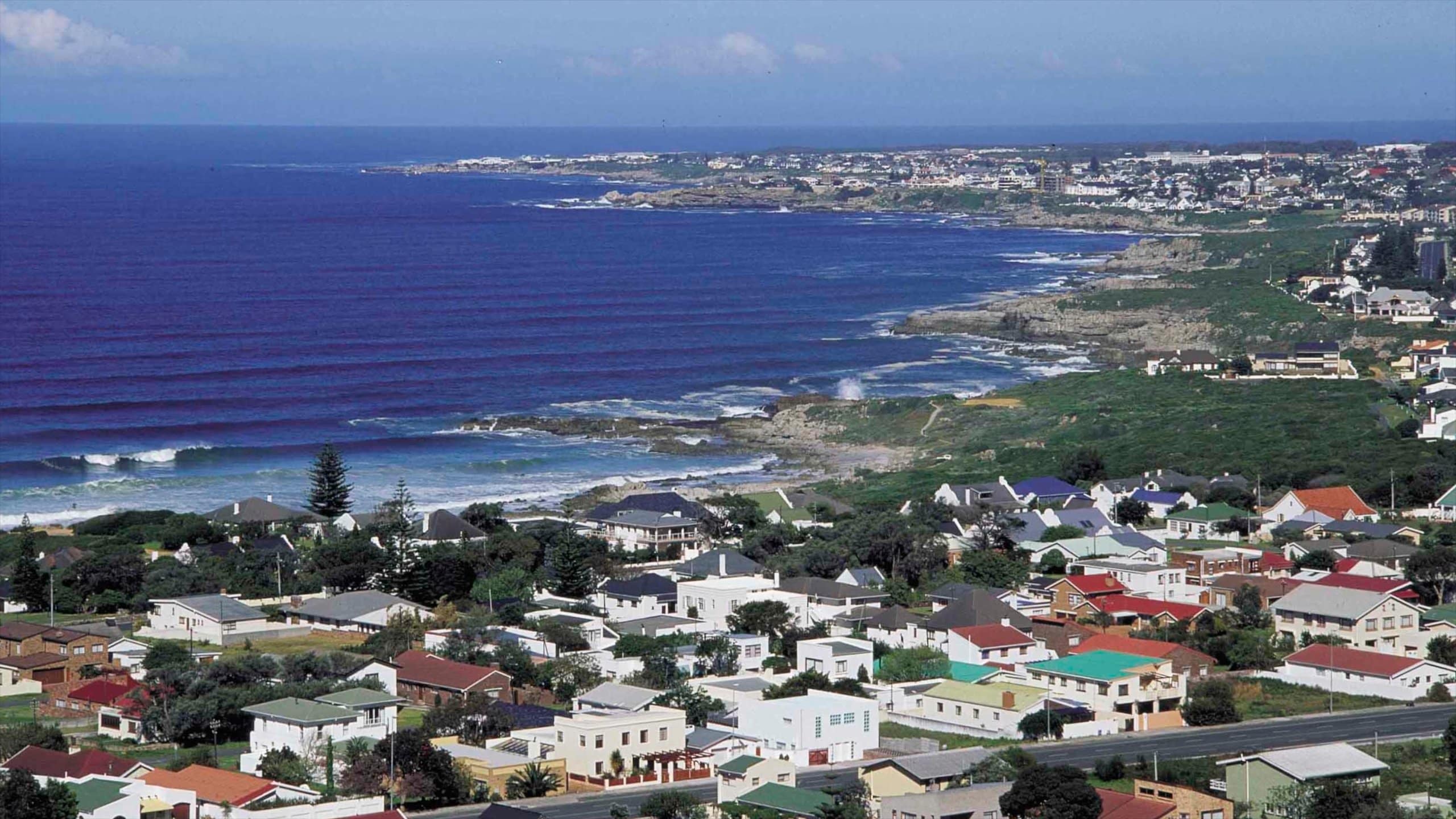
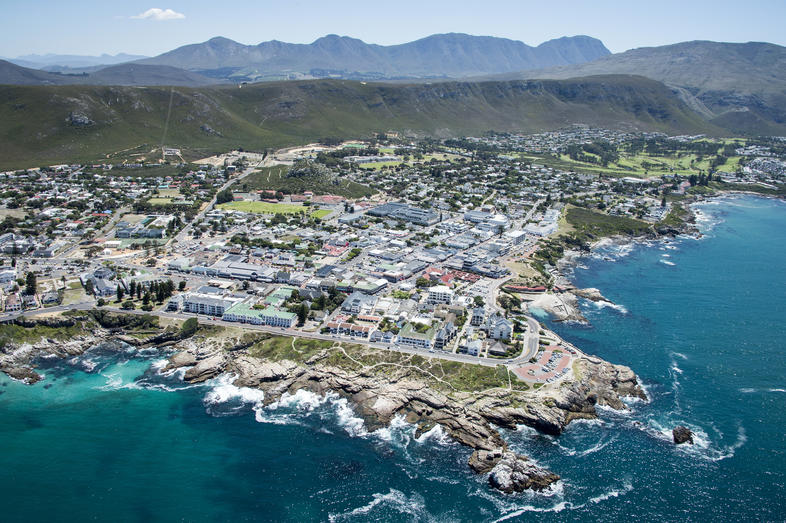
The trend is particularly evident in coastal areas like Hermanus in the Western Cape, where property agents report an unprecedented influx of new residents. According to Barbara Larney, broker-owner of RE/MAX Wine and Whales in Hermanus, the town has attracted diverse groups including families seeking safer neighborhoods and quality schools, retirees looking for tranquility and lower living costs, remote workers who can maintain their careers while enjoying coastal living, returning expats, and savvy investors recognising opportunities in emerging markets.
Beyond coastal appeal
The movement isn’t limited to picturesque coastal villages. Inland farming communities and scenic towns are also experiencing renewed interest from urban refugees.
Nastassja Koch, Broker Owner of RE/MAX Country Associates in Malmesbury, has observed a steady increase in inquiries from both buyers and tenants relocating from larger towns and major metropolitan areas.
“As property prices continue to rise in many of these surrounding areas, Malmesbury is becoming an attractive alternative due to its relative affordability and convenient access to Cape Town via the double lane N7,” Koch explained.
The lifestyle factor
While cost considerations play a significant role, property experts say the primary driver is lifestyle enhancement. Small towns offer shorter commutes, a more relaxed daily pace, and stronger community connections – qualities often sacrificed in urban environments.
The migration pattern is creating a positive ripple effect for receiving communities. “Many are not just moving for the lifestyle. They’re contributing their skills and experience to local businesses and projects, helping strengthen communities and grow the local economy,” Larney noted.

This influx of new residents often leads to improved infrastructure, the establishment of new local businesses, and sustained demand for quality housing stock, benefiting existing property owners and the broader community.
For property owners in small towns, the growing demand presents significant opportunities. Industry experts recommend ensuring properties are well-maintained, realistically priced, and equipped with modern lifestyle conveniences such as dedicated home offices, gardens, or separate accommodation units.
Choosing the right location
RE/MAX Southern Africa advises potential buyers to carefully research towns with solid growth fundamentals before making the move.
“This includes reliable municipal services, stable job ecosystems, good schools, and accessible healthcare,” Goslett said. “If you are unsure of a town’s future growth prospects, speak to a local RE/MAX agent for some expert advice.”
As South Africans continue to reassess their priorities around family life, career satisfaction, and retirement planning, it appears that small-town living – much like other nostalgic trends – is experiencing a well-deserved renaissance.


You must be logged in to post a comment.