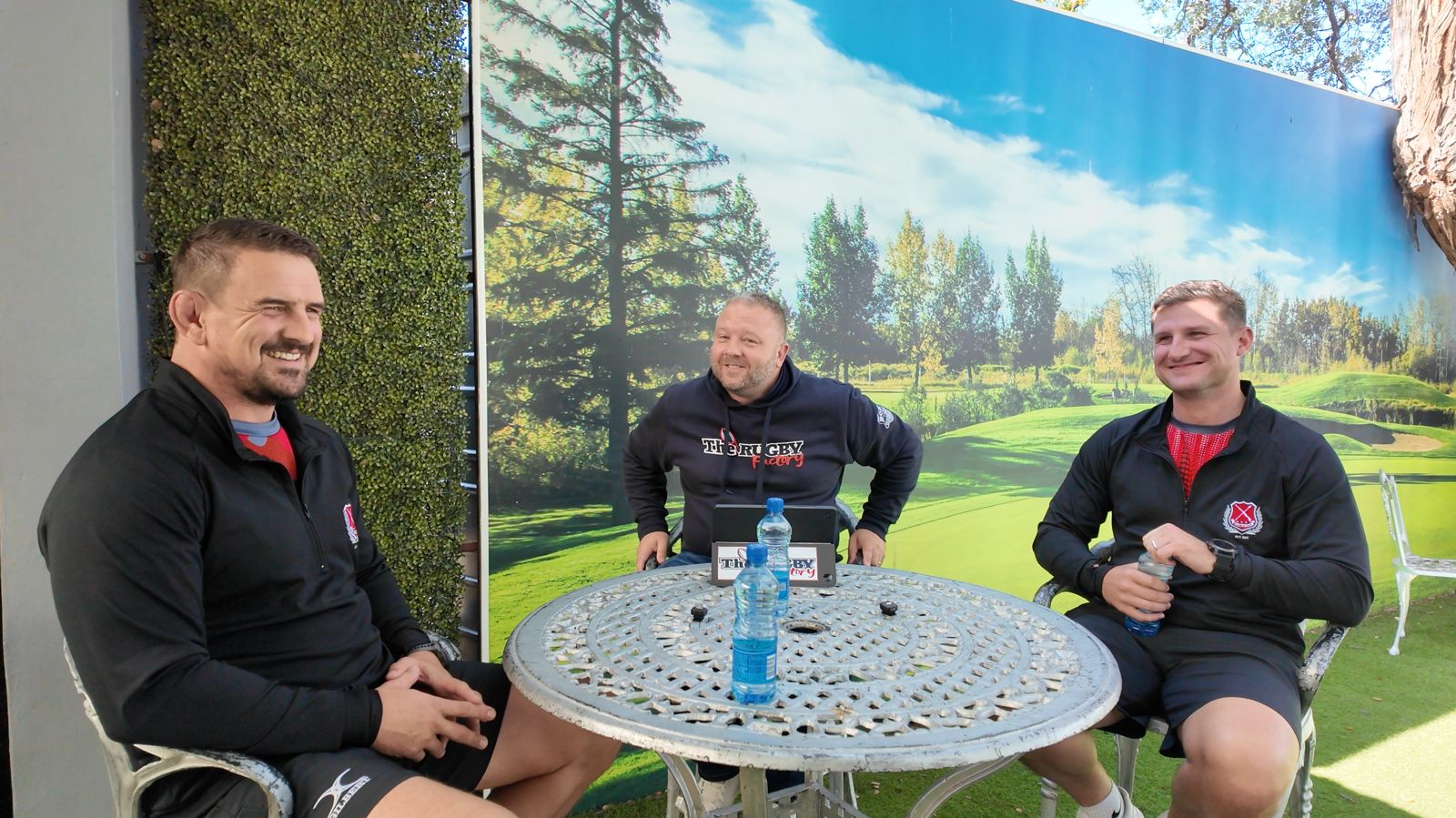
The Rugby Factory proudly brought to you by BOSSA explores how one of South Africa’s elite rugby schools balances tradition, character development and competitive excellence
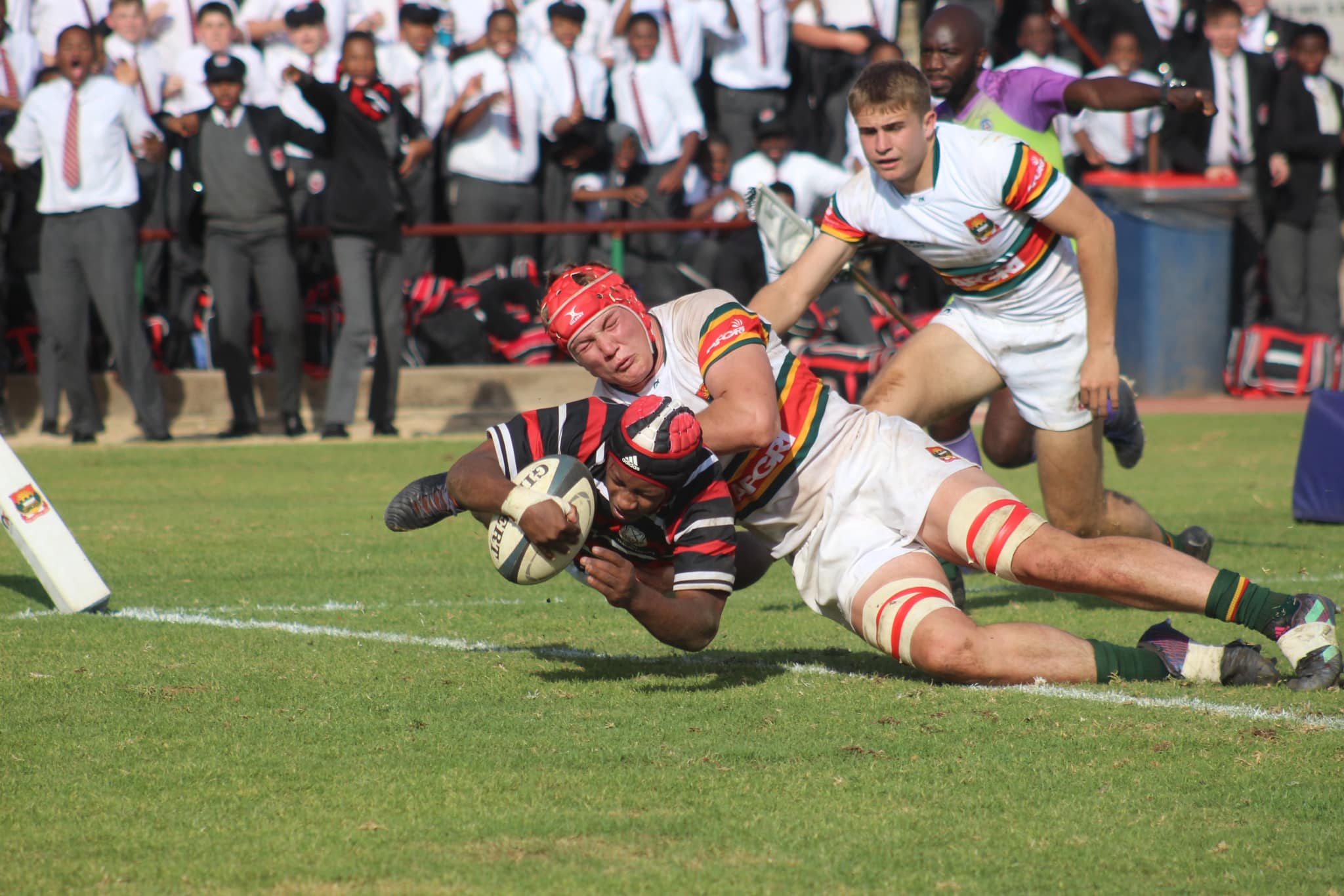
Eleven open sides. Read that again, eleven teams competing at the highest age-group level. For most schools, fielding even half that number would be a logistical nightmare. For Maritzburg College, it’s a reflection of something deeper, a rugby-positive culture that’s thriving under a holistic approach that extends far beyond match-day results.
“We’re putting in a massive shift to get it right,” director of rugby Hendré Marnitz told The Rugby Factory podcast as he unpacked the scope of College’s rugby operation in his fourth year at the helm. “Having 11 open teams means the boys want to play, and it reflects the culture throughout the school. The challenge is trying to find fixtures for all these teams.”
It’s a welcome problem to have, and one that speaks volumes about what College has built, not just a first XV gunning for silverware, but a comprehensive programme that develops character, work ethic and resilience across every level.
The Pillars: defence, discipline and development
At the heart of College’s rugby philosophy sit three non-negotiable pillars: work ethic, defensive excellence and setpiece dominance. But dig deeper and you discover these aren’t just rugby principles, they’re life lessons disguised as forward drives and tackle counts.
“Work ethic comes first, with defence forming a crucial part of that foundation alongside setpiece excellence,” explained Kelvin Elders, an old boy who returned to coach at his alma mater. “Through defensive play, we quickly see effort and character, that’s what we constantly discuss with the boys.”
That defensive record isn’t accidental. College’s stingy record has become their calling card, built on the premise that how you defend reveals who you are when the going gets tough. It’s why they came within five points of toppling Stellenberg, the country’s top-ranked side, at the recent Absa Wildeklawer festival.
“We went to Wildeklawer not just to compete but to win games,” Elders reflected. “Unfortunately, we fell short. The frustrating thing is that in soft moments, good teams bury you, and Stellenberg is definitely one of those. We’ll take the lessons and learn.”
Fresh eyes strengthening the foundation
The addition of professional Ruan Dreyer to the coaching ranks has injected new perspective into an already formidable operation. After a knee injury last October, Dreyer received an unexpected call from Marnitz that would reshape his future.
“After doing my knee, my wife and I were discussing what comes next. Then Hendré called,” Dreyer explained. “I was honest, I had no coaching experience, but he said to trust the process and give it a shot. Everyone’s been fantastic, and it’s really starting to grow on me.”
Coming from a different school environment, Dreyer’s introduction to College culture provided a sobering education in tradition and standards.
“The first time I walked in there, I had to greet 150 boys, every single one saying ‘morning sir, how are you sir.’ I didn’t know how to process it all,” Dreyer recalled. “But that’s what makes it such a great institution. They have certain traditions, and we’re not bending on those. We’re not just breeding rugby players. I want to ensure these boys are properly equipped when they leave school and enter the real world.”
The coaching trio, Marnitz, Elders and Dreyer, operate without ego, constantly challenging each other across different facets of the game. For Elders, the alignment runs deeper than tactics.
“We’re completely aligned in our values and principles, that’s the secret to our success so far,” said Elders. “Our main focus is always the boys, and when you keep that central to everything, good things follow. Ruan brings a different perspective, and it’s been a real blessing.”
The reality check: conditioning and competition
Marnitz is refreshingly honest about where College sits in the schoolboy rugby pecking order. Yes, they’re formidable. No, they’re not resting on their laurels.
“We had a big focus on getting the boys stronger through conditioning,” Marnitz explained. “We think we have a big side until you run onto the field against Stellenberg. It requires hours of endless skills work and getting buy-in from players to respect the badge, that’s the ultimate goal.”
That reality check informs College’s approach to their fixture list, particularly the highly anticipated clash with Affies later this year.
“Respectfully and humbly, we’ve always had good results against Affies,” Elders noted. “They’re coming to us this year, and defending our home paddock is something College boys don’t take lightly. Beyond the rugby, it’s a wonderful weekend of competitive sport.”
But College deliberately avoids the trap of looking too far ahead or getting caught up in external expectations about being favourites or underdogs.
“We don’t look at the fixture list, we theme it week by week,” Marnitz explained. “What’s ahead of us and how we attack it. The demands and collisions now are frightening, so we focus on the boys’ wellbeing. We still prioritise academics, and they still need a social life.”
The bigger picture
It’s this holistic philosophy that separates programme-building from merely assembling talent. Eleven open sides don’t materialise because of clever recruitment, they emerge when a school creates an environment where boys want to play, where effort is celebrated, where character trumps natural ability.
The coaching expertise helps, certainly. Dreyer’s professional insights, Elders’ institutional knowledge and Marnitz’s strategic oversight create a powerful triumvirate. But the real strength lies in their shared commitment to developing young men first, rugby players second.
“As a father and husband giving back, I want to ensure these boys are properly equipped when they leave school,” Dreyer emphasised. “That’s what it’s all about.”
When Dreyer maximises opportunities in the scrum, when Elders dissects defensive patterns, when Marnitz orchestrates the weekly themes, they’re all working towards the same endpoint: boys who leave College with more than just rugby skills.
Perhaps the most telling metric isn’t visible on any scoreboard. It’s in the 150 boys greeting Dreyer every morning, the culture of courtesy that never wavers, the buy-in to defend the badge with everything they’ve got.
That’s not just a rugby programme. That’s an institution building young men who happen to play exceptional rugby.