The field might be small, but the ambition is massive.
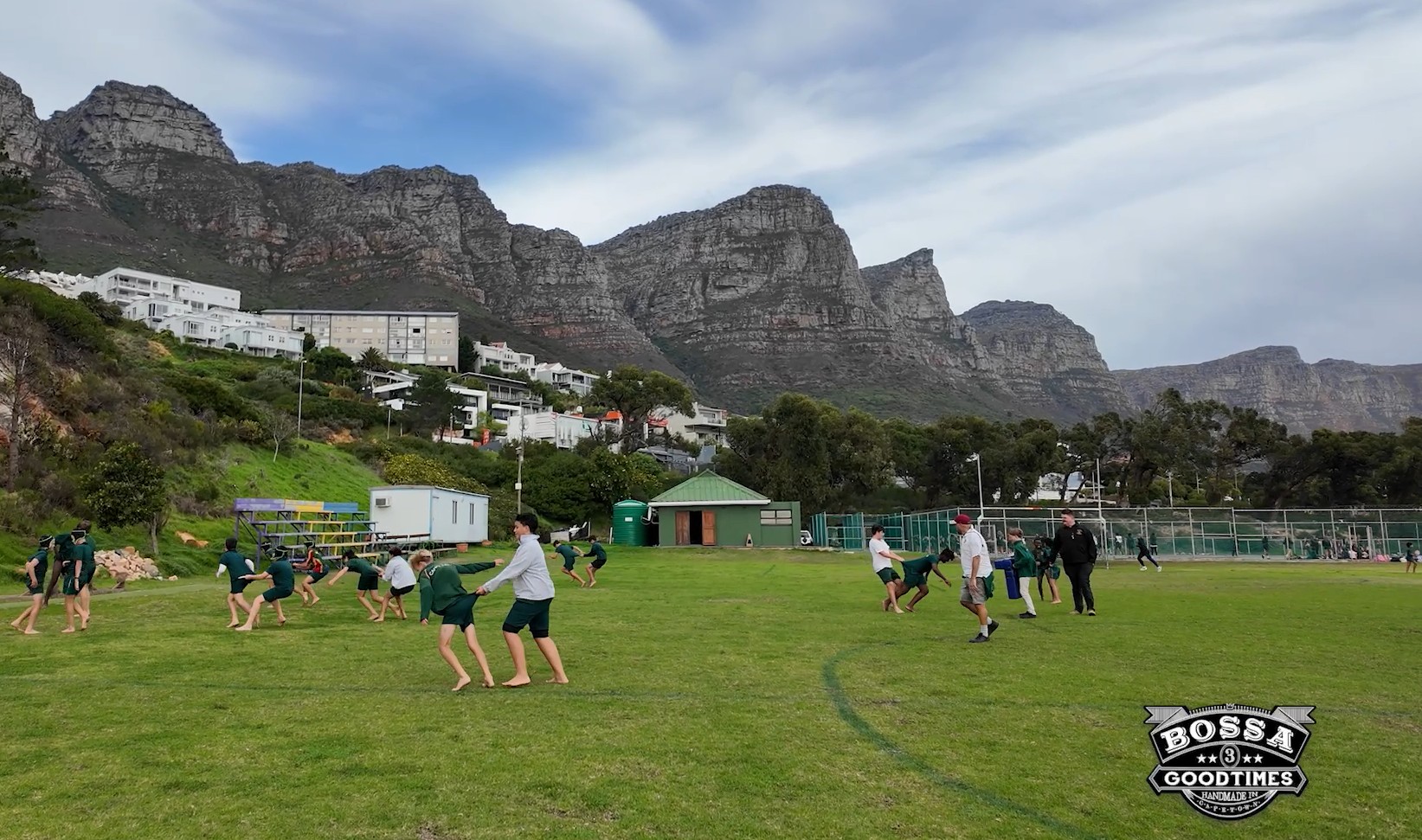
When Stefan Filter stepped onto the Camps Bay Primary School grounds in 2016 as a student teacher, he found just ten boys playing touch rugby on a soccer pitch. Fast forward to 2024, and the transformation is nothing short of remarkable. Age groups from under-7s to under-13s now field four to five teams every weekend. But this isn’t a story about privilege and abundance. This is a tale of persistence, passion, and rugby posts that made a grown man cry.
The Rugby Factory, proudly brought to you by BOSSA, travelled to the picturesque coastal suburb to uncover how Camps Bay is quietly building a rugby programme that could rival the Western Cape’s traditional powerhouses, one scrum at a time.
From touch rugby to proper contact
Filter, who became a full time teacher in 2019, went all-in to establish a proper rugby structure. The challenge? Resources were scarce, despite Camps Bay’s reputation as an affluent area.
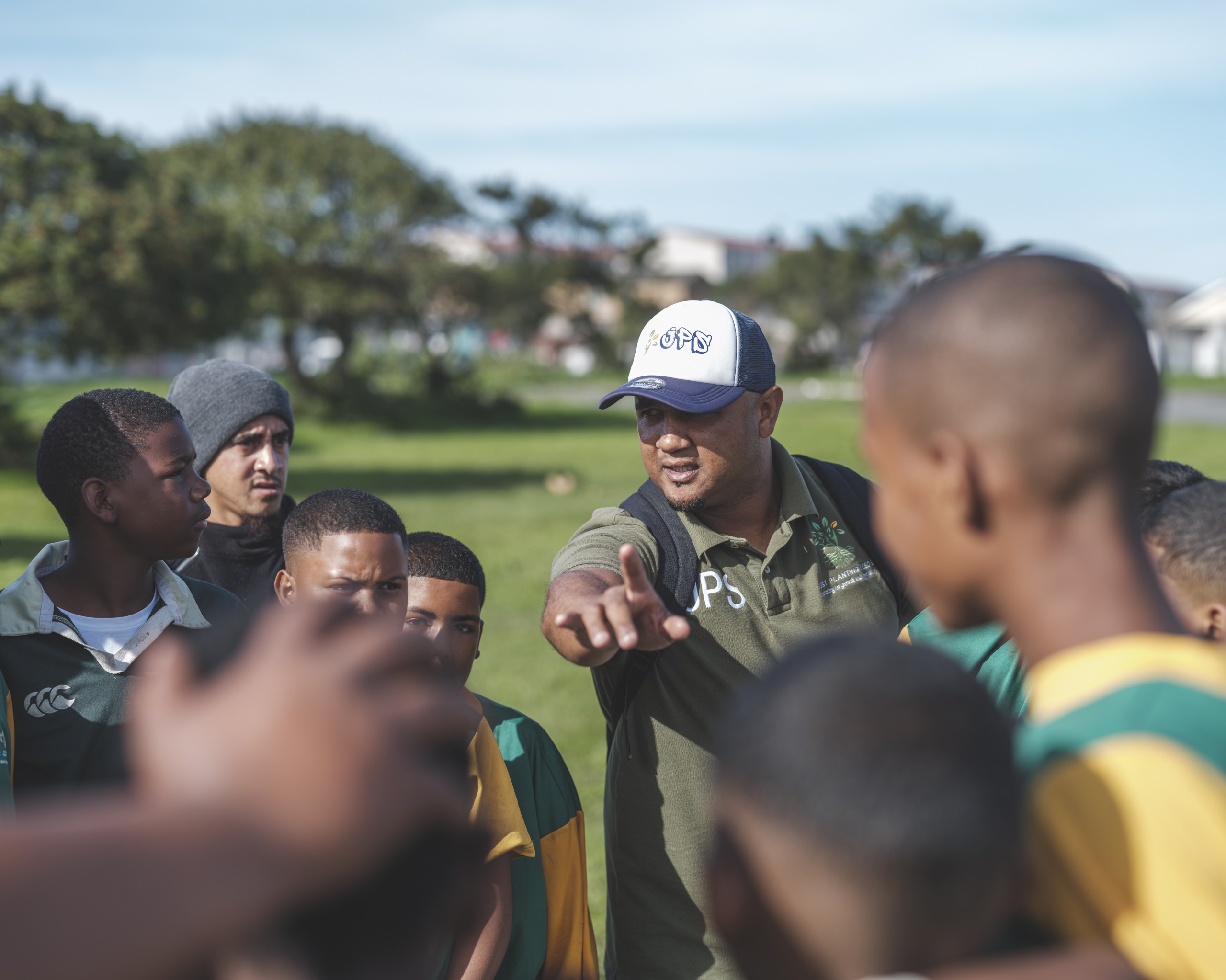
“Our biggest resource actually has been using Hamiltons. I used to push a lot of our boys there, because you can only learn so much when just doing skills, but they need to get used to contact,” Filter explained. “We got more coaches involved. We just had a soccer field and I convinced them to put up rugby posts.”
That conversion from soccer pitch to rugby field wasn’t just about installing two H-shaped structures, it represented legitimacy, commitment, and recognition.
“The rugby posts was an uphill battle at the beginning. The enjoyment the boys were showing, and how we were improving convinced the management to get involved and put up the posts,” Filter recalled. “We saw the poles on the one day when they were up. I got quiet, it was very emotional for me. I could see it was happening. It showed the boys that they deserve it, it was an actual sport at the school.”
Shattering the affluent suburb myth
Martin Tucker, head coach of the under-13A side and both a father and ex-pupil, is quick to dispel misconceptions about Camps Bay Primary’s resources.
“If you take what Camps Bay has, in terms of facilities, there are 400 kids and we have one field,” Tucker stated. “There is a strong netball and rugby setup, very strong soccer, very strong swimming, but every resource is shared amongst all sports. The next things we need to do is get more fields. We have many kids from disadvantaged backgrounds.”
The reality is stark, one field for 400 pupils across multiple codes. It’s a far cry from the sprawling campuses of traditional rugby schools, yet the programme continues to flourish through sheer determination.
“I feel like the programme doesn’t have any limits at the moment. We’re moving in the direction we want to, we’re having some fundraising to improve facilities. We need to continue to build on the momentum and not let it die,” Tucker added.
The exodus to traditional schools
Despite the progress, Camps Bay faces a familiar challenge, losing talented players to more established rugby programmes when they transition to high school.
“I’ve never heard a schooling reason from parents that take their kids to more traditional rugby schools. So if we can get the sport right there could be no reason for them to leave Camps Bay,” Tucker suggested, highlighting that sports development, rather than academic concerns, drives the departures.
High school ambitions
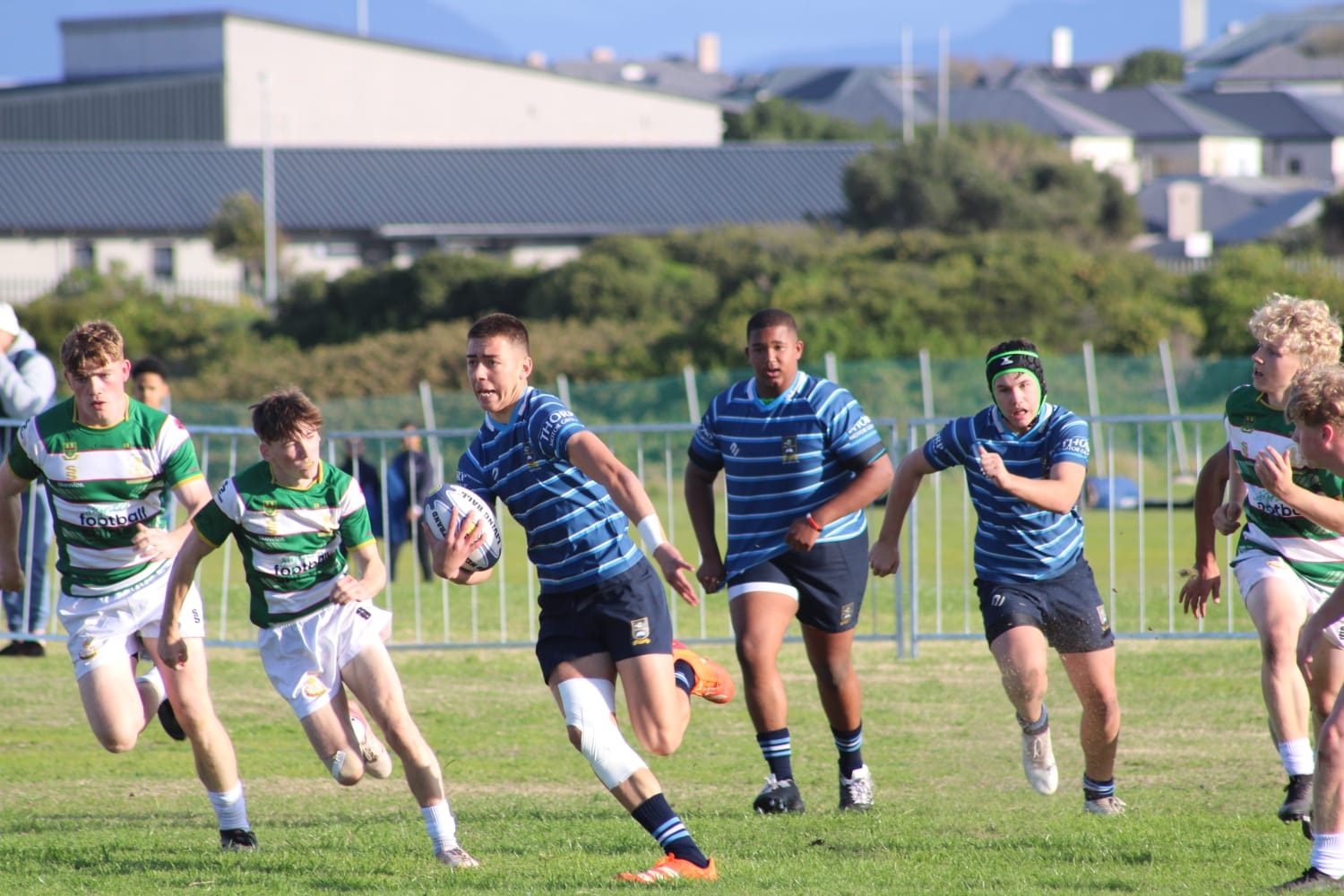
Rob Charters, head of rugby at Camps Bay High School, is determined to stem that tide. Currently competing in the A2 league with five teams, Charters has his sights set on promotion to the A2A league.
“It’s always been our challenge is depth. Camps Bay primary school is growing their rugby programme which helps. The primary school has a great reputation as a primary school. A lot of the time it is the more traditional schools or the all-boys schools that parents think is a better option for them,” Charters explained. “We push the fact that we are a very well-rounded school. We want rugby to be a big sport here, we have seen growth in the numbers coming through from the primary school.”
Whilst the school supports the rugby programme with equipment and quality coaches, Charters issued a pointed challenge to the local business community.
“You look at the area that we’re in, and you’d think more businesses would want to get involved with a school like ours. My cry to the local business community would be get involved as much as you can. You don’t see much branding at the school. None of our kits have a single sponsor on it.”
The road ahead
For Filter, the motivation runs deeper than wins and losses. Rugby shaped his own development, and he’s determined to give the current generation the same opportunities.
“Rugby helped me so much growing up and I just want the boys to have the same,” he said simply.
With everyone buying into the vision, momentum building, and the primary school pipeline strengthening, Camps Bay’s rugby renaissance is gathering pace. The posts are up, the boys are committed, and the future looks bright, even if the field is still a bit crowded.
Now they just need the local business community to recognise what’s happening in their backyard and get behind a programme that’s proving you don’t need sprawling facilities to build something special, just passion, posts, and people who believe.
Watch he full episode of the Podcast on The Rugby Factory