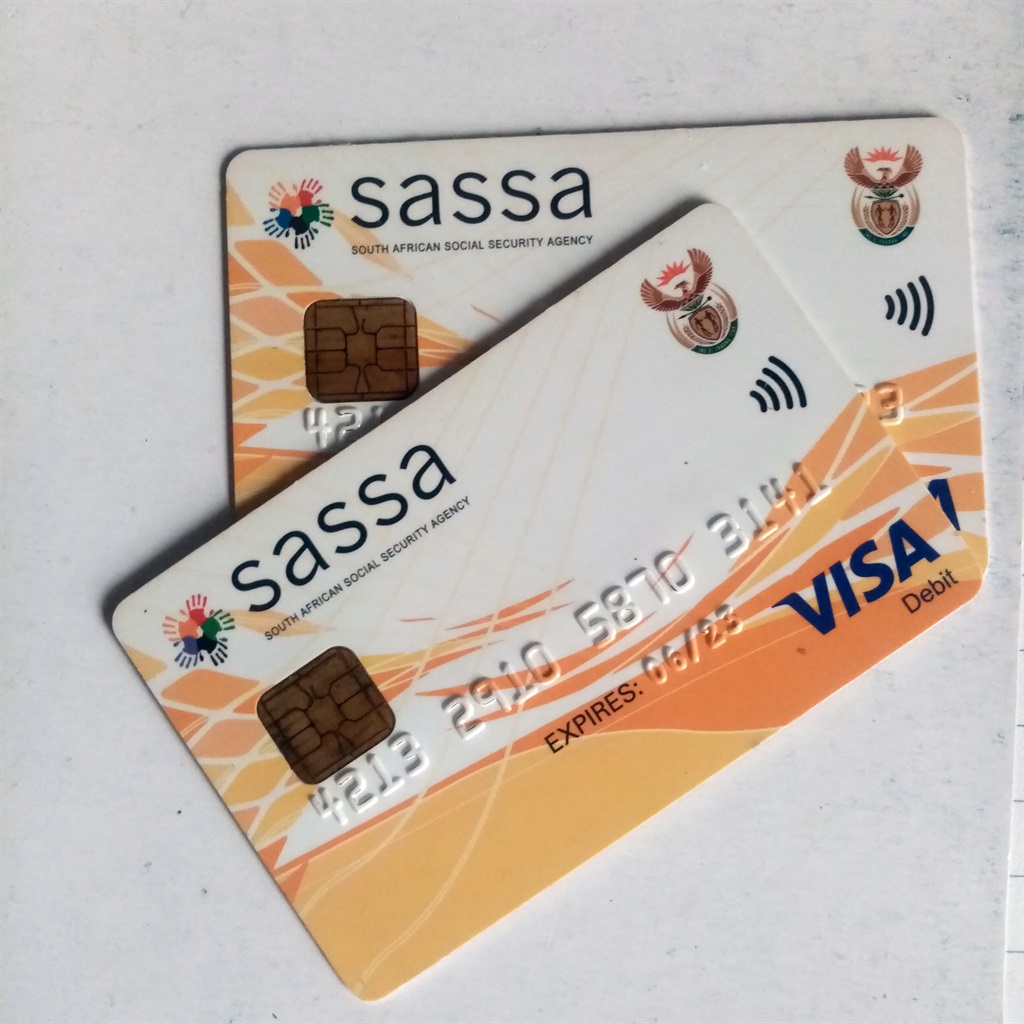
The South African Social Security Agency (Sassa) is set to implement a comprehensive biometric enrollment system across all its offices from 1 September, in what officials describe as a crucial step toward securing the country’s grant distribution network.
The move affects more than 28 million South Africans who depend on social grants each month, as the agency seeks to eliminate fraudulent applications and duplicate payments that have plagued the system for years.
Security overhaul targets ghost beneficiaries
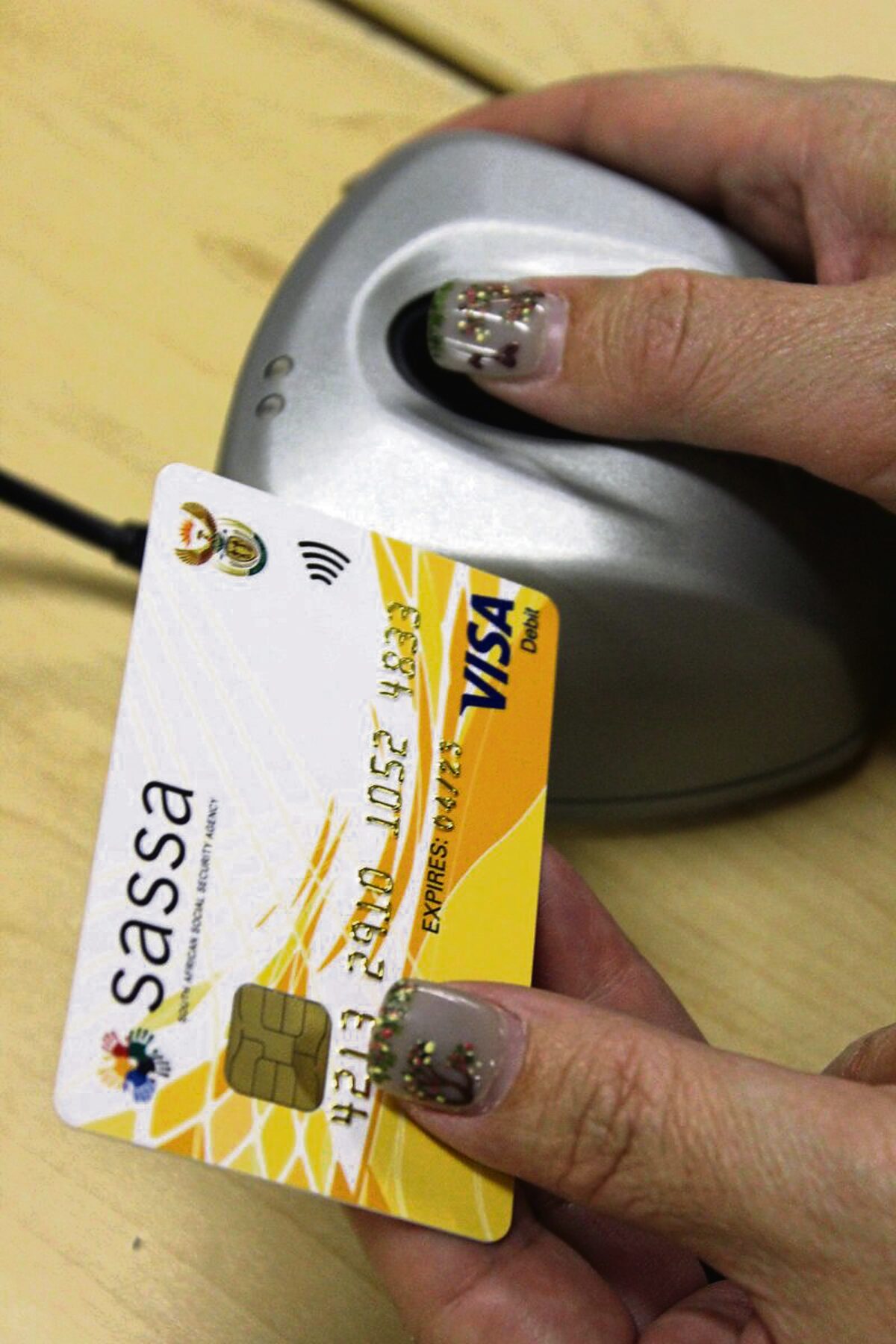
According to Sassa, the new system will require all grant applicants to undergo biometric fingerprint enrollment or facial recognition through electronic Know Your Client (eKYC) technology. The agency promises this will make it significantly harder for fraudsters to exploit vulnerabilities in the current system.
“This system will ensure that the right people receive the money meant for them,” the agency stated, highlighting that biometric technology will provide reliable verification of beneficiary authenticity and proof of life.
The Auditor-General has repeatedly flagged “ghost beneficiaries,” duplicate accounts, and fraudulent syndicates as persistent threats to the grant system’s integrity, costing the state and taxpayers billions of rand annually.
Quick process, long-term impact
Beneficiaries will need to visit a Sassa office where their biometric data will be captured and linked to their grant profile. The agency insists this will be a once-off process taking only a few minutes per person, after which beneficiaries won’t need to repeat enrollment unless their personal details change.
However, applications submitted without biometric data from 1 September onwards will be immediately placed into a review cycle, with clients notified of the requirement to capture biometrics.
The agency says the new system will deliver several benefits: Reduction in fraudulent applications and duplicate payments; reliable verification of beneficiary authenticity and proof of life; reduction in inclusion errors; streamlined documentation processes; enhanced audit outcomes and stronger record integrity.
ALSO READ: Ethiopian businessman nabbed for Sassa fraud
Implementation concerns remain unanswered
Despite the ambitious rollout timeline, critical questions about implementation remain unresolved. Sassa has yet to clarify whether all beneficiaries must enroll simultaneously or if the process will be phased over time.
Particular concerns center on how the system will accommodate bedridden or immobile beneficiaries, and whether mobile units will be deployed to reach rural communities where access to Sassa offices is limited.
While the agency has stated that “plans are in place to ensure no one is disadvantaged,” specific details about these accommodations have not been provided.
Privacy and technical risks
Rights groups have also raised concerns about data privacy and the potential misuse of biometric information. Although Sassa has promised secure data handling, cybersecurity experts warn that breaches of sensitive biometric records could have long-lasting consequences for affected individuals.
The implementation also faces several known challenges associated with biometric technology, including: Privacy and data security risks, false positive and false negative readings, accessibility issues for people with disabilities and lack of standardisation across different systems
The biometric enrollment represents one of the most significant changes to South Africa’s social grant system in recent years. With nearly one-third of the population relying on these grants, the success or failure of this initiative could have far-reaching implications for both government finances and the livelihoods of millions of vulnerable South Africans.
ALSO READ: Police arrest three Sassa officials