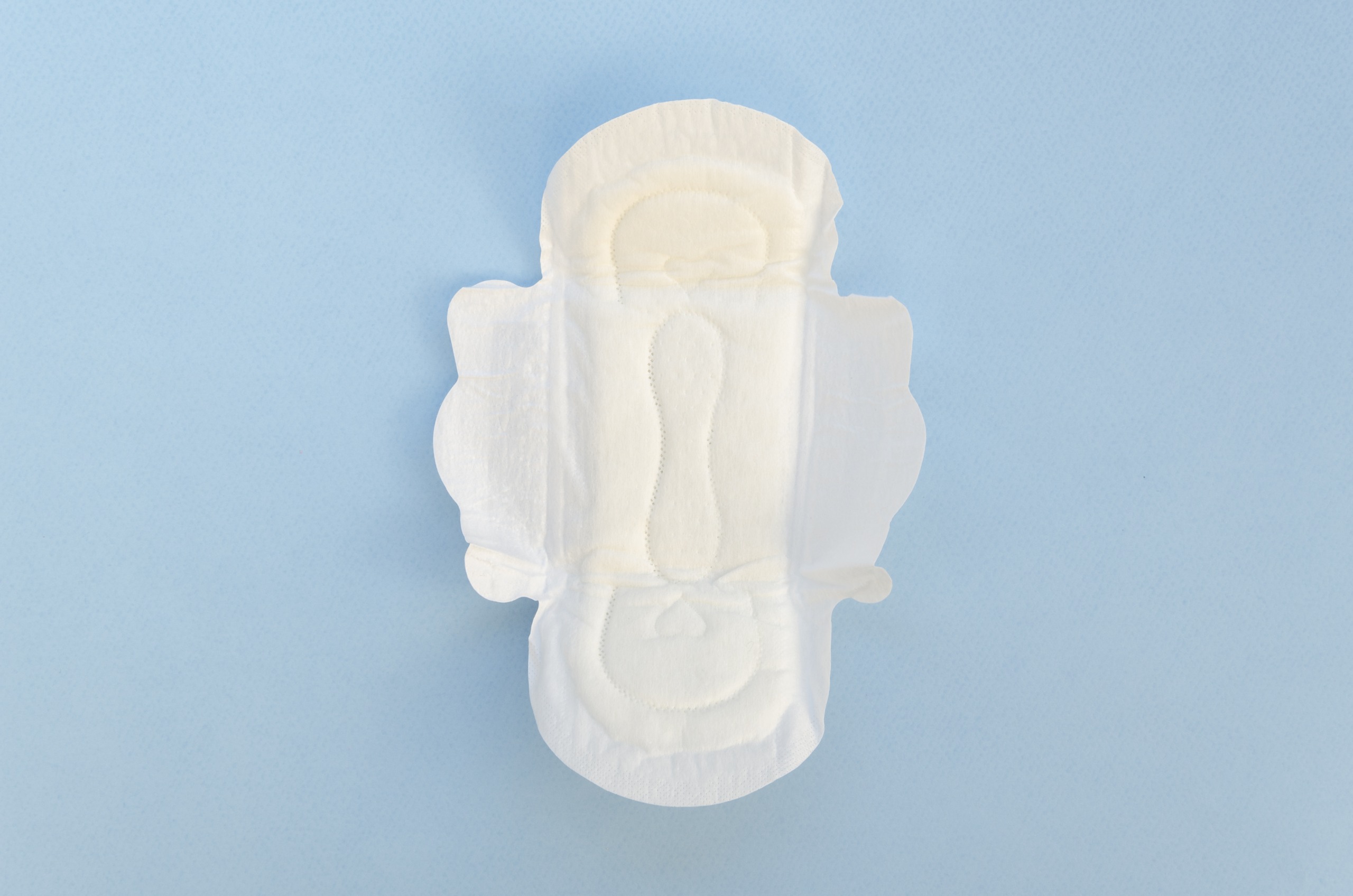
Health authorities and leading medical experts have moved to reassure South African women that sanitary pads are safe to use, following public concern over a study that detected low levels of endocrine disrupting chemicals in menstrual products.
Health Minister Dr Aaron Motsoaledi led a joint media briefing on Sunday to address safety concerns raised after research from the University of Free State found small quantities of endocrine disrupting chemicals (EDCs) in sanitary pads and pantyliners.
“Women and girls can be reassured that it remains safe to use sanitary pads,” Motsoaledi said. “Most important is that this or any other study has not established a causal relationship between the detected chemicals and adverse health outcomes in women or girls.”
The briefing, which took place as South Africa marked International Women’s Day, brought together experts from the South African Medical Research Council (SAMRC), the South African Health Products Regulatory Authority (SAHPRA), the World Health Organisation (WHO), and leading obstetricians and gynaecologists.
The Free State study, published in the Science of the Total Environment Journal in February, tested 16 sanitary pads and seven pantyliners bought online. All products contained at least two types of EDCs, including those marketed as chemical-free.
The research concluded that menstrual products are a significant but overlooked source of exposure to EDCs, with the university’s website linking such exposure to hormonal imbalances, fertility problems, endometriosis and certain reproductive cancers.
However, Motsoaledi emphasised that the presence of EDCs in sanitary pads was not surprising. “They are found in many products, and their presence in sanitary pads has previously been documented. The levels of EDCs were low,” he said.
No evidence of harm
SAMRC president Prof Ntobeko Ntusi said the detection of EDCs does not translate to evidence of harm. “Just because a chemical is present does not mean that it represents a risk,” he said.
The council noted that exposure to EDCs is much higher in men than women, with most female exposure coming from cosmetics including sanitary pads, whilst male exposure is primarily occupational and tends to be much higher.
“The market standards for manufacture are the same all around the world, and not only in this country, but all over the world, there’s been no evidence or signal of harm for use of these products,” Ntusi said.
Prof Ismail Bhorat, president of the South African Society of Obstetrics and Gynaecology, said the concentrations of EDCs found in the study were very low, much lower than permissible levels.
“At this point in time, EDCs only represent a ‘potential to interfere’ and not an ‘actual risk’,” Bhorat said. “The contribution of EDCs in menstrual products to the total pool of EDCs from daily exposure to other sources is also low, which is around 6,8%.”
The majority of EDC exposure comes from foodstuffs (40%) and other personal care products (40%), such as toothpaste, shampoo, body lotions and clothing, the experts said.
ALSO READ: Consumer Commission probes harmful chemicals in sanitary products
Global perspective
The WHO said no clear evidence of harm to health from these types of products has been identified to date. “Access to menstrual products is an important part of universal health coverage,” said Dr Richard Brown, a technical officer responsible for chemical safety projects at WHO headquarters.
“WHO is not aware of any cases globally where access to these important health products has been withdrawn because of concerns over health effects arising from endocrine disrupting chemicals.”
SAHPRA chief executive Dr Boitumelo Semete said the regulatory authority has not received any reports of adverse events from the public. “It is our considered view that these products remain to be safe for use by the public,” she said.
Under the Medicines and Related Substances Act 101 of 1965, sanitary products are regarded as low-risk medical devices, exempting manufacturers from needing a licence, though they must still comply with global standards.
The University of Free State has issued a statement clarifying that the research does not claim that short-term use of menstrual products causes specific health conditions, and was not designed to establish a direct causal relationship between the detected chemicals and diseases in women.
Motsoaledi said the findings of the study do not require any additional actions or responses from regulators, which include SAHPRA, the South African Bureau of Standards, the National Compulsory Standards Regulator and the National Consumer Council.
The briefing was held through the Social Protection, Community and Human Development Cluster, with participation from the ministries of Women, Youth and Persons with Disabilities and Trade, Industry and Competition.
ALSO READ: Government to react to research that says sanitary pads may be harmful