

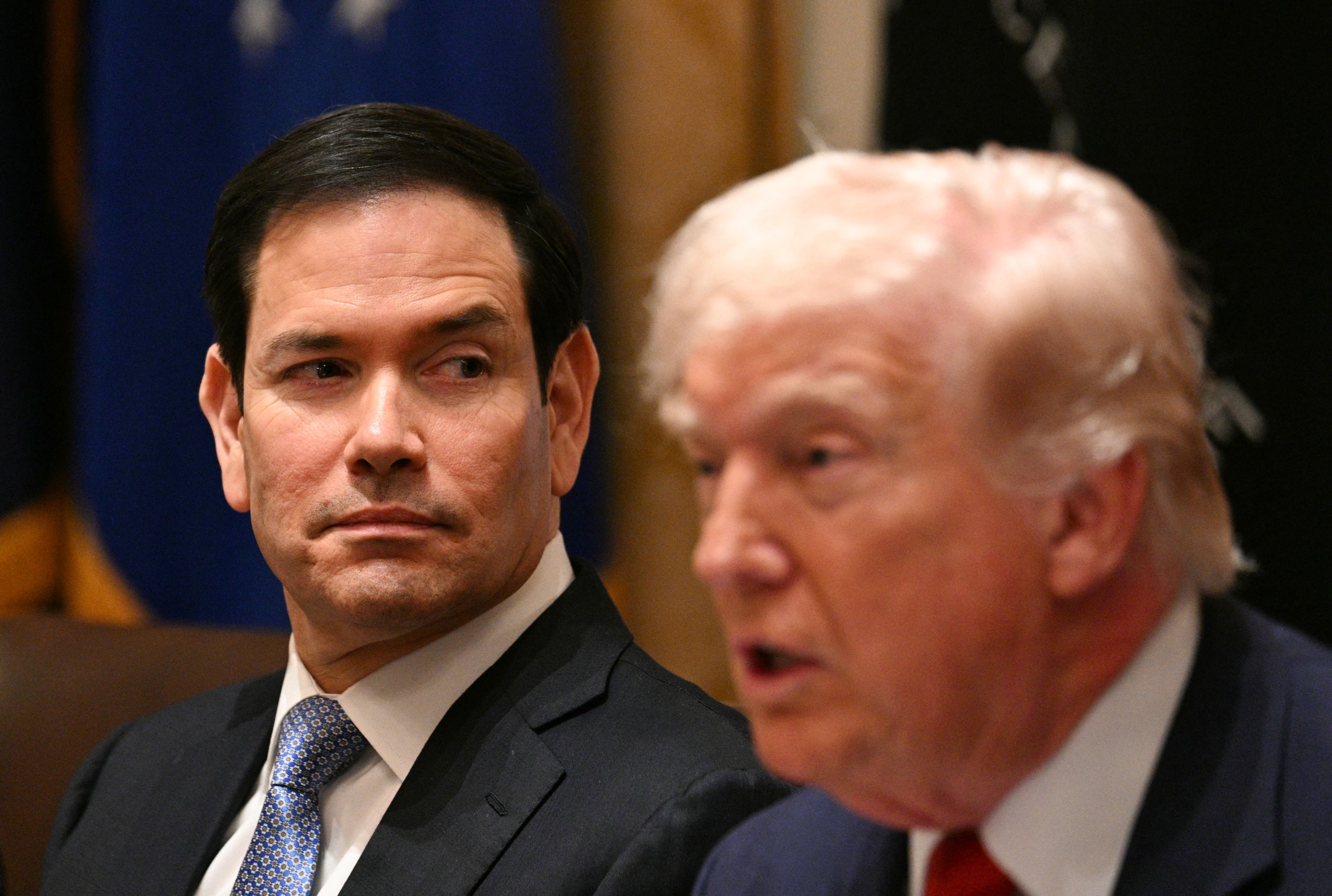
The United States has moved to cut off funding to the International Criminal Court (ICC), in what the court has described as an unprecedented assault on the rule of law.
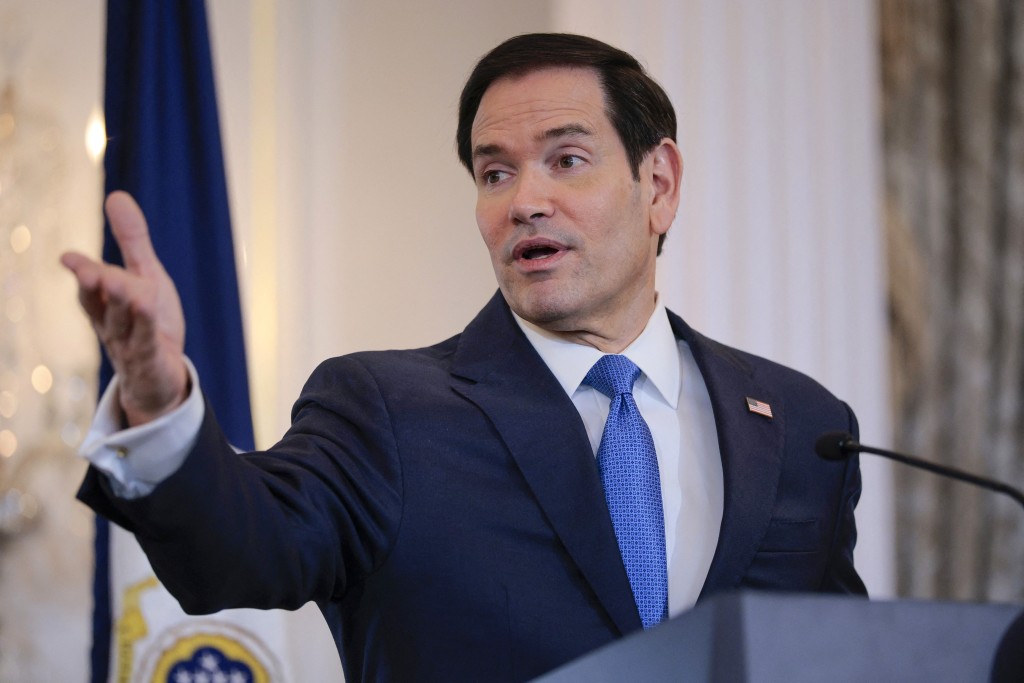
In a press release on Friday 9 October, US Secretary of State Marco Rubio stated that the country would ban transactions with the “rogue” court, cutting off its resources and impairing its ability to operate.
“America never joined the court. We don’t need it. And we don’t want it,” he said.
ALSO READ: Rubio says US open to Iran meeting, but no talks scheduled yet
The ICC is an international court based in The Hague, Netherlands, established by treaty to prosecute individuals accused of genocide, war crimes, crimes against humanity, and aggression. South Africa is one of its 125 member nations.
‘US and its people not subject to ICC’s jurisdiction’
Rubio explained what he described as a bipartisan agreement between Republicans and Democrats in rejecting the idea that the ICC has the power to prosecute American citizens, military servicemembers, or political leaders.
He claimed that globalist “experts” an ocean away do not care what American citizens think. They want the ICC to do more, he said, including the prosecution of servicemembers defending their country, border patrol agents protecting the nation, and elected leaders ensuring national security. They want more power, and they want it at the expense of Americans.
“President Trump will never allow the International Criminal Court to prosecute Americans,” Rubio said.
He explained that the administration had been clear for over a year about what it expected from the court, but that neither the ICC nor the Bureau of the Assembly of States Parties, the governing body made up of member nations, had taken meaningful steps to address those concerns.
He said the administration had provided an opportunity for States Parties, the countries that signed the founding treaty, to negotiate and present a solution, but that no agreement materialised, and that the US would continue to adjust its approach accordingly.
“Our message is clear: the United States and its people are not subject to the jurisdiction of the ICC. Both parties agree on this, but only President Trump has the resolve to take the action needed to end this threat for good,” Rubio said.
“Either the ICC will end its threats, or we will end the ICC. We expect our allies, many of whom are part of the ICC and that rely on American servicemembers for their defense, to rein in the court.”
He vowed that the United States would continue its campaign to dismantle the ICC.
Sanctions ‘attempt to undermine principle that no one is above the law’
The ICC rejected the sanctions, describing the move as part of a broader pattern of pressure against the court.
“This unprecedented step follows a series of designations against 13 independent judges and prosecutors who serve the cause of justice,” its statement read.
The court described the sanctions as a direct attack on an independent judicial institution and an attempt to obstruct justice and undermine the foundational principle that no one is above the law.
The ICC said the sanctions are designed to disrupt its operations and intimidate its staff and cooperating parties, but stated it would not be deterred.
“The Court will continue to fully discharge its mandate, with independence and impartiality, acting only on the basis of the law and the evidence, for the sake of the countless victims of grave crimes,” said ICC President Tomoko Akane.
ALSO READ: Nobel peace laureate Pillay calls ICC sanctions ‘unacceptable’
The ICC acknowledged, however, that it cannot stand alone. It called on its member states to honour their collective commitment under the Rome Statute, the founding treaty of the court signed in 1998, and take concrete steps to ensure the court retains the resources needed to continue its work. The court framed the moment not merely as a threat to one institution, but as a test of the international community’s commitment to a rules-based world order.
“Future generations, and above all the victims of mass atrocities, will ask how we responded when an institution created to protect them came under attack. They will ask whether the Court held firm and whether the international community defended the principles it proclaimed or allowed them to be abandoned under pressure,” its statement read.
The following day, Saturday 10 October, States Parties condemned the US decision to impose the sanctions.
“Such actions aim to directly challenge an international legal institution painstakingly built to ensure that accountability, not impunity, prevails,” their statement read.
ALSO READ: Parliament raises alarm over third US ambassador summons in nine months
The Bureau noted that the institutional designation follows earlier sanctions against the court’s elected officials, marking a continued escalation of coercive measures against an institution built to uphold accountability over impunity.
The Bureau reaffirmed its support for the court, its officials, and all those working to fulfil its mandate under the Rome Statute, and called on all States Parties and stakeholders to strengthen their cooperation with the court and stand united in defending the principles of international justice and judicial independence.
“The Bureau calls on the international community to stand firm in defence of the Court in the face of these unprecedented measures, and to demonstrate their collective resolve to safeguard the integrity of the international rule of law,” its statement read.
The Bureau also called for the immediate revocation of the sanctions.



You must be logged in to post a comment.