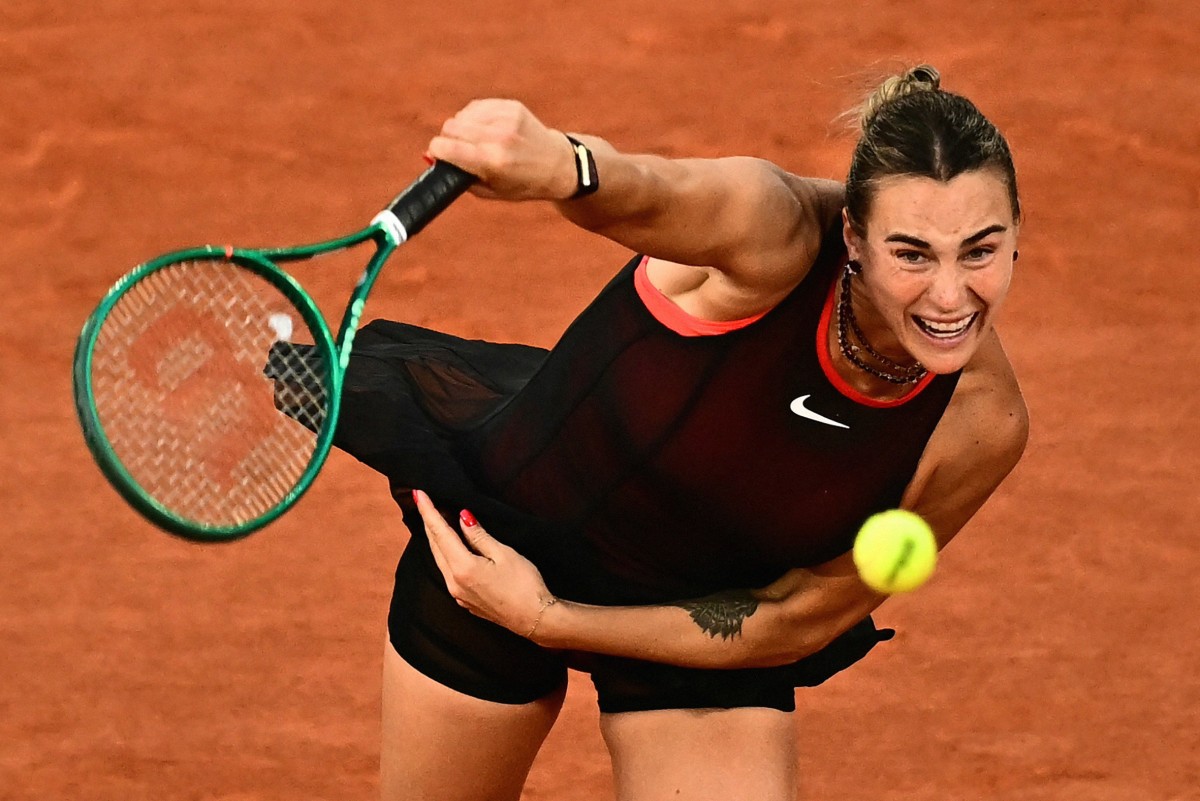
Aryna Sabalenka arrived in Europe last month looking utterly imperious. Fresh off the Sunshine Double and riding a 15-match winning streak, the world number one appeared destined to steamroll her way through the clay-court season and claim a maiden Roland Garros crown.
Four weeks later, as the year’s second Grand Slam gets underway in Paris on Sunday, that aura of invincibility has evaporated like morning mist on Court Philippe-Chatrier.
The Belarusian’s alarming capitulation on the European clay swing, dumped out in the Madrid quarter-finals by 30th seed Hailey Baptiste before crashing to a third-round defeat against Sorana Cirstea in Rome, has left the French Open draw looking more open than at any point since Iga Swiatek’s stranglehold on the tournament ended two years ago.
For Sabalenka, hunting a first title on the Parisian red dirt after last year’s heartbreaking three-set final defeat to Coco Gauff, the cracks in her game have emerged at precisely the wrong moment.
The unravelling of a champion
When Sabalenka swept to victory at both Indian Wells and Miami in March, completing the coveted Sunshine Double, her domination of the women’s tour appeared absolute. Three titles from four tournaments in 2025, the only blemish being a three-set defeat to Elena Rybakina in January’s Australian Open final.
That 15-match winning streak carried into Madrid with the weight of expectation. Another WTA 1000 crown at the Caja Magica would cement her status as the overwhelming Roland Garros favourite whilst providing the perfect preparation for Paris.
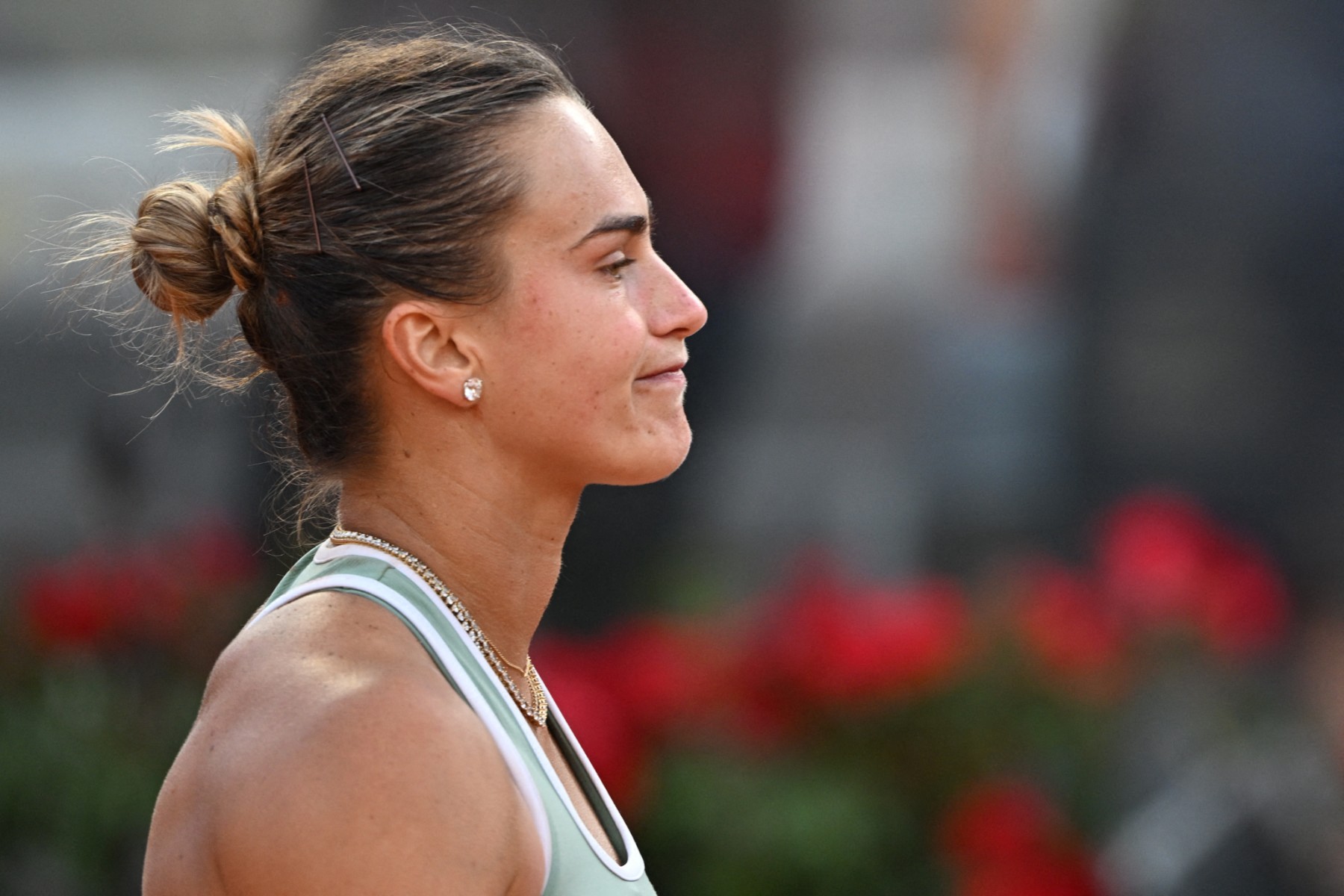
Instead, Baptiste provided the first shock, ending Sabalenka’s title defence in the Spanish capital before Cirstea completed the double blow in Rome, where the top seed admitted afterwards: “I felt like my body was limiting me from performing at the highest level.”
It marked the first time since February 2025 that Sabalenka had exited a 1000-level tournament at the round of 32 stage, a damning statistic for a player who holds more than 1,000 ranking points over her closest challengers.
“I guess we never lose; we only learn, so it’s OK,” Sabalenka mused after the Rome debacle.
Rybakina lurks with intent
If Sabalenka’s struggles have created opportunity, Elena Rybakina stands ready to capitalise. The Kazakh world number two has arguably enjoyed the season’s second-best campaign behind Sabalenka herself, highlighted by that Australian Open triumph in January and victory over the Belarusian in last season’s WTA Finals decider.
Rybakina claimed the Stuttgart title on indoor clay last month, demonstrating her versatility on the surface, though she too endured disappointing runs in Madrid and Rome that will temper expectations slightly.
Her Roland Garros record remains a curious anomaly, never beyond the quarter-finals despite her obvious quality, but with Sabalenka wobbling and Swiatek still searching for her best form, this could be Rybakina’s moment to finally breakthrough on the Parisian dirt.
The Swiatek question
For three glorious years, Iga Swiatek was untouchable on clay. Four Roland Garros titles in the early 2020s established the Pole as the undisputed “queen of clay,” a player who made Court Philippe-Chatrier her personal fiefdom.
But since her last Paris triumph two years ago, the 24-year-old has struggled to rediscover that consistency. The question heading into this fortnight is whether her new collaboration with Francisco Roig, Rafael Nadal’s former coach, can reignite the magic that once made her so dominant on this surface.
If Roig can unlock even a portion of Swiatek’s former brilliance, she remains the most dangerous floater in the draw. Clay doesn’t forget champions easily, and Swiatek’s muscle memory on the red dirt runs deep.
Gauff won’t surrender lightly
Defending champion Coco Gauff arrives in Paris on the back of a strong Rome run that culminated in a final defeat to the resurgent Elina Svitolina. The world number four has shown enough form to suggest she won’t relinquish her crown without a battle.
At just 21, Gauff combines the fearlessness of youth with the experience of a Grand Slam champion. Her movement on clay remains exceptional, and her ability to problem-solve during matches has matured considerably over the past 12 months.
Don’t expect Gauff to be overawed by the occasion or the opposition. She’s been here before and knows exactly what it takes to lift the Coupe Suzanne Lenglen.
Svitolina’s renaissance
Perhaps no player arrives in Paris with greater momentum than Elina Svitolina. The 31-year-old Ukrainian has captured two titles already in 2025, including her first WTA 1000 crown in eight years at the Italian Open, where she dismantled Gauff in the final.
Svitolina reached the Roland Garros quarter-finals for the fifth time in her career last year, and her current form suggests a deep run is more than feasible. The question is whether she can maintain this level across two weeks of best-of-three-set tennis at Grand Slam intensity.
“(Winning Rome) gives me a lot of confidence. Gives me a good look at Roland Garros,” Svitolina said. “But there are really tough players. You cannot underestimate them. You need to be ready for the first-round matches, big battles. Everybody’s there to beat you.”
It’s the perspective of a veteran who understands that reputations count for little once battle commences on the red dirt.
The dark horses gather
Beyond the established contenders, a fascinating collection of emerging talents and resurgent stars threatens to disrupt the established order.
Marta Kostyuk claimed the Madrid Open title and possesses the all-court game to trouble anyone on her day. Rising starlets Mirra Andreeva, Iva Jovic and Victoria Mboko represent the future of women’s tennis, whilst Amanda Anisimova’s return to form has been one of the season’s most uplifting narratives.
In a draw this open, with the top seed vulnerable and the former dominant force still searching for consistency, maiden Grand Slam champions could emerge from unexpected quarters.
Two weeks of uncertainty
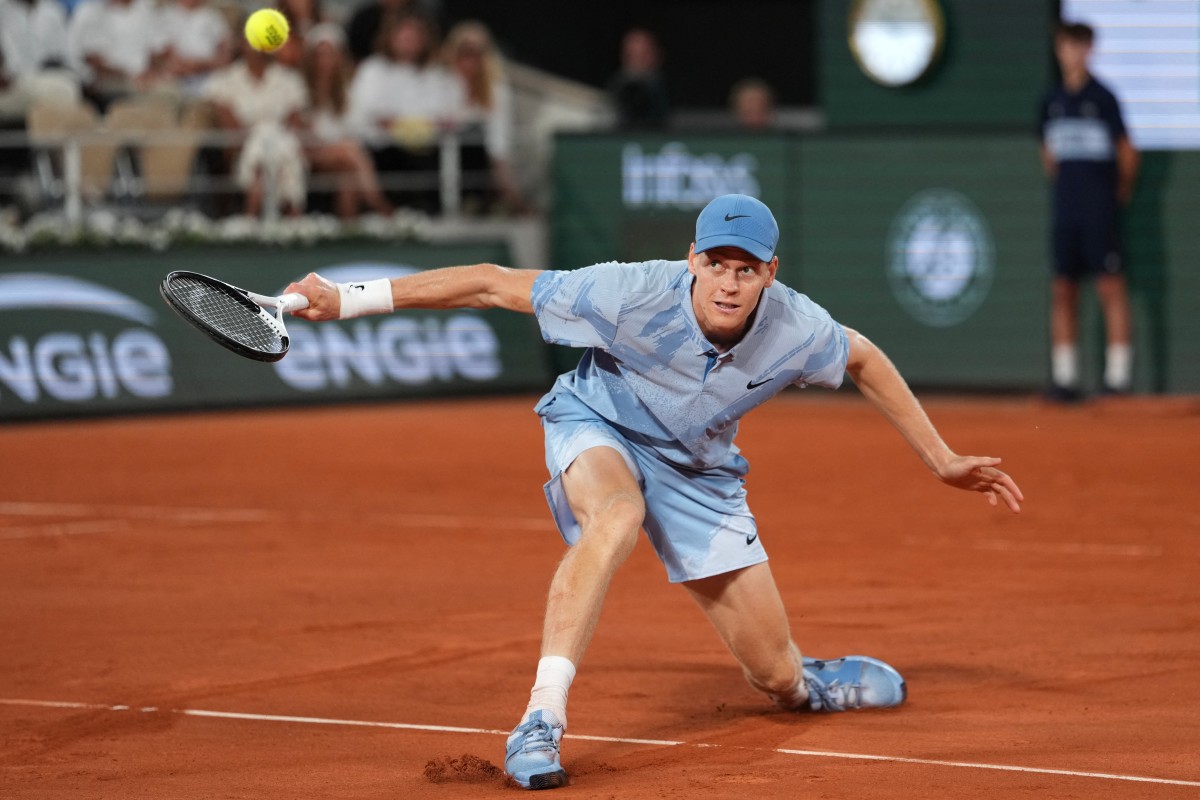
The men’s draw features Jannik Sinner hunting a first Roland Garros title with the kind of dominance that makes him the overwhelming favourite. The women’s competition offers no such certainty.
Sabalenka remains the top seed and holds a commanding rankings advantage, but her body language in Madrid and Rome betrayed a player suddenly uncertain on a surface she’d hoped to conquer.
Rybakina has the game but not the Roland Garros pedigree. Swiatek has the pedigree but questions remain about her current form. Gauff has youth and momentum but faces the pressure of defending a major title for the first time. Svitolina is peaking at the perfect moment but must sustain it for a fortnight.
The stage is set for one of the most unpredictable French Opens in years. When the first ball is struck on Sunday, the certainties that seemed so solid when Sabalenka jetted into Madrid last month will feel like distant memories.