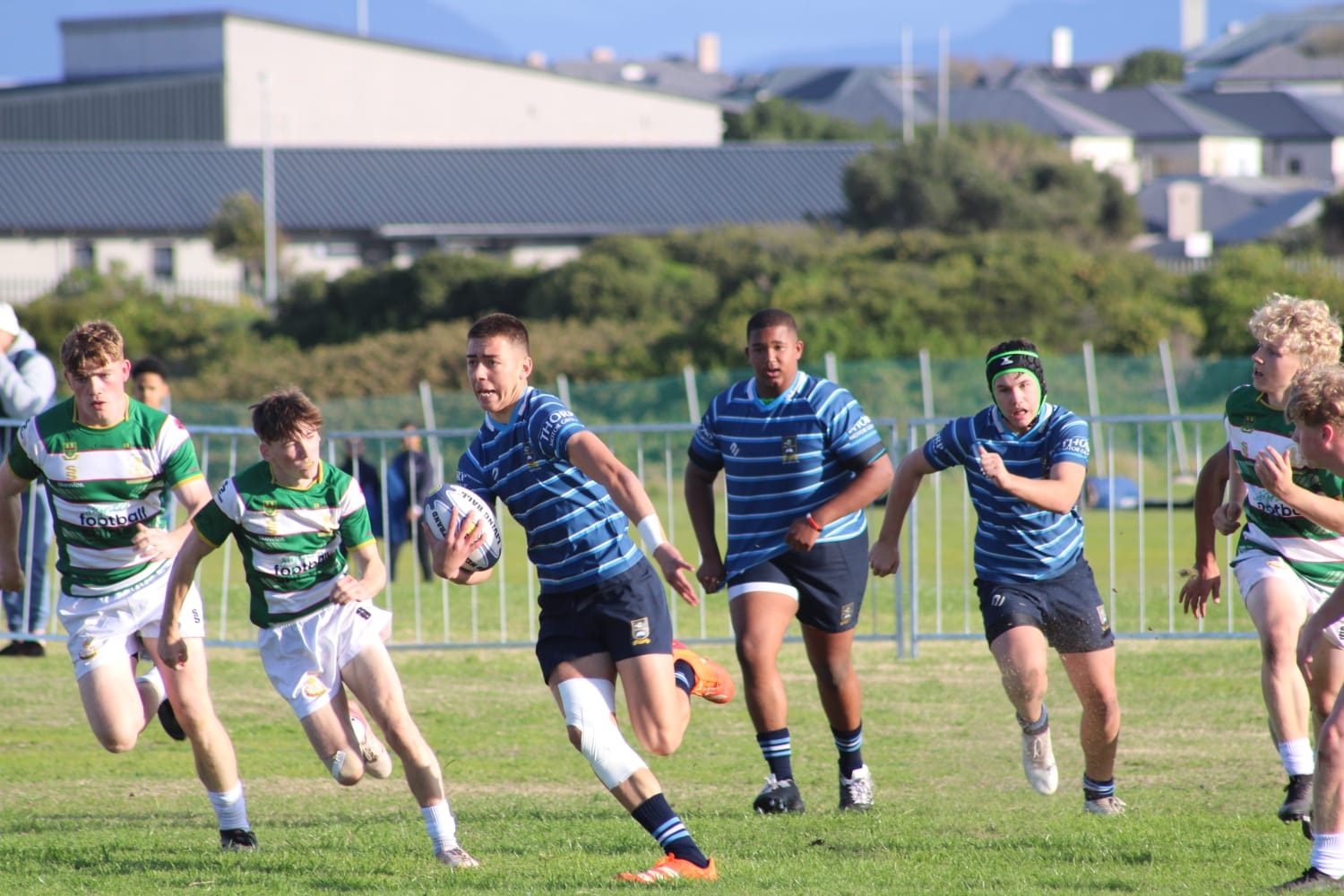
SA Rugby has standardised the age at which young players may begin tackling, meaning children in the under-5 to under-8 age groups will participate exclusively in non-contact forms of the game, such as TAG and Touch Rugby.
Full contact and tackle rugby will commence only in the U9 age group, following a structured and standardised “Confidence and Safety in Contact” programme.
This programme will be introduced during the second half of the U8 season to build foundational skills such as falling, rolling, wrestling, and absorbing contact, forming part of a six-week pre-season readiness block before the U9 rugby programme begins.
“South Africa currently stands as the only major rugby nation without a clearly defined age at which children may begin tackling,” said Clint Readhead, General Manager of SA Rugby’s Medical Department.
“With more than 400,000 primary school players – one of the largest youth rugby bases in the world, this gap has created inconsistency, safety risks, and confusion across provinces, schools, clubs, and academies.
“Exco’s support for the proposal marks a decisive step towards ensuring player safety, protecting development pathways, and establishing a uniform national framework.”
This framework aligns with international best practice and mirrors unions such as the Blue Bulls, who have already implemented this strategy. This approach has demonstrated that delaying tackling whilst prioritising fun and fundamental skill development enhances both safety and long-term player performance, encouraging young players to remain in the game.
A special SA Rugby task team, established in 2024, developed the proposal with a mandate to determine the safest, developmentally appropriate point at which South African children should begin tackling.
Also read: SA Rugby stel nuwe ouderdomsreëls vir kontakrugby voor
“We feel excited to finally have a tackle age aligned across the rugby ecosystem in South Africa,” said Ian Schwartz, General Manager of SA Rugby’s Participation & Development Department.
“SA Rugby will enforce it system-wide, across schools, clubs, associate members, and non-affiliated rugby organisations working with youth. Ultimately, it concerns Long-Term Player Development (LTPD) and player safety: preparing young players for contact to prevent injuries, retain passion, and build a sustainable rugby pathway.”
Noël Ingle, whose term as chairperson of the SA Schools Rugby Association (SASRA) recently concluded, welcomed the introduction of a standardised tackle age and structured introductory programme focusing on confidence and safety in contact.
“The Task Team drew upon medical and scientific expertise, comparative research, international benchmarks, and broad stakeholder consultation, including extensive surveys amongst primary school coaches,” said Ingle.
“Survey results demonstrated overwhelming support for a standardised national approach, with 91% of respondents calling for clear guidelines on introducing contact and 65% endorsing the establishment of a minimum tackle age.”
The proposal also mandates enhanced coach education, requiring all primary school and youth coaches to complete a suite of World Rugby and BokSmart online certifications, including Tackle Ready, Breakdown Ready, and Tackle Height Change Education. SA Rugby will make all supporting materials available on the SA Rugby website in 2026.
SA Rugby will commence compulsory implementation of the standard tackle age across all youth rugby and amateur rugby structures in 2026.