
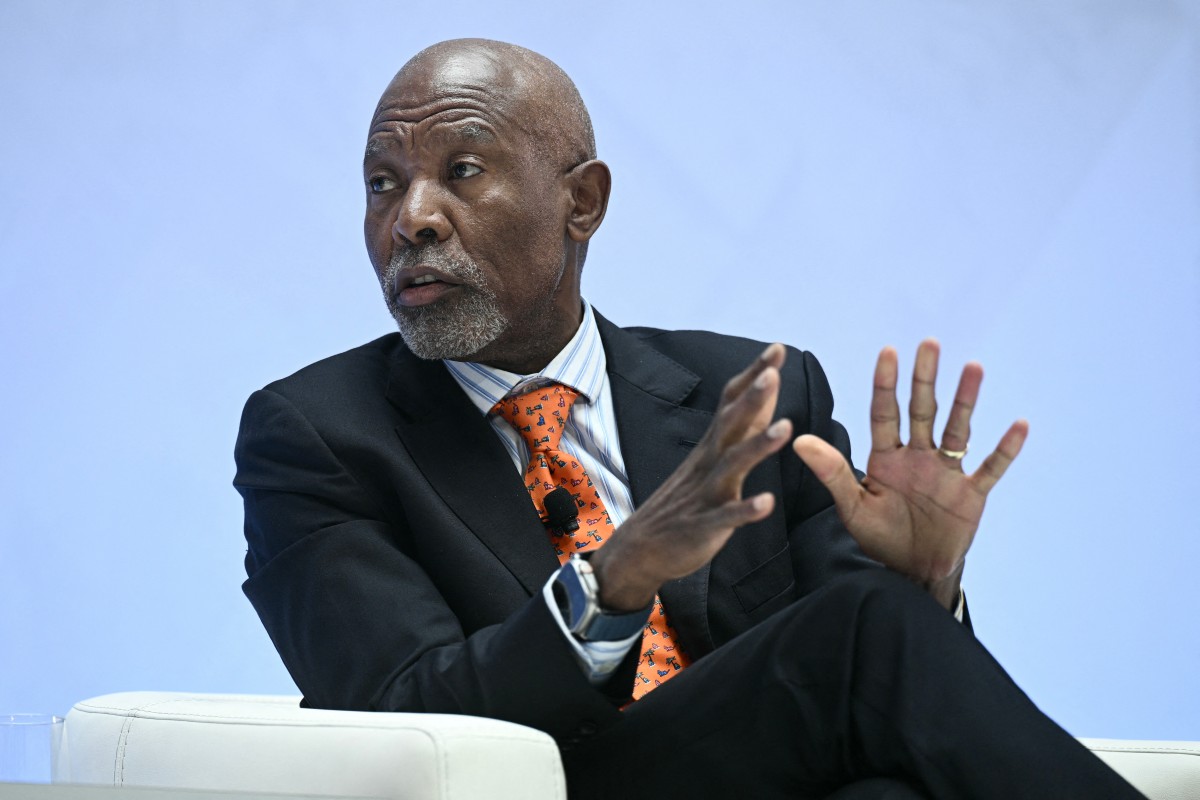
The South African Reserve Bank’s Monetary Policy Committee (MPC) has left the interest rate at 7,25%. The prime lending rate stays at 10,75%.
Governor Lesetja Kganyago announced the decision on Thursday afternoon. The committee was split. Four members wanted no change, while three voted for a 25 basis point increase.
“After two policy adjustments this year, and with a moderately restrictive policy stance, we decided to pause for now. We are mindful of risks, and will not hesitate to raise rates if needed, to return inflation to target over the policy horizon,” Kganyago said.
Fuel pushes inflation higher
The decision follows data from Statistics South Africa showing that consumer price inflation rose to 5,2% in October. Kganyago said fuel costs were the main reason.
He said inflation above 5% is likely to last into early next year. The forecast then shows a dip, because the bank will no longer be measuring against pre-war fuel prices.
Food and other goods have kept inflation low so far, but Kganyago said that is set to change next year. “Food inflation is bottoming out from current lows. The Rand is also less appreciated, which affects import prices,” he said.
He also pointed to a rise in core inflation. The MPC wants to see it turn around as proof that price setters are working towards the 3% target. “We assess inflation risks to the upside,” he said.
El Niño adds to food price worries
The MPC is also watching the El Niño weather pattern. Kganyago said the Western Cape has already announced water restrictions because dam levels are low.
Rainfall has been better in other parts of the country. Dry conditions early next year could still damage harvests and push up food prices, he said.
Global and local economy
Kganyago said the global economy is “still in a difficult position”. Oil prices are high, and refinery margins and shipping rates are adding pressure on fuel costs. Food inflation is also speeding up.
He said major central banks still lean towards tightening. The Bank of England recently raised rates for the first time since 2023, and markets expect more increases in big economies.
Global growth and trade held up this year, helped in some countries by the Artificial Intelligence boom. Kganyago said technology company valuations have dropped recently. He added that government finances are stretched, with unsustainable debt in several large economies.
The local growth outlook is “broadly unchanged”. The economy shrank in the second quarter, when the war began, but a slow recovery now appears to be under way. Kganyago expects growth to rise from just over 1% to about 2% a year over the forecast period.
Stronger wholesale and retail sales are driving the short-term recovery. He said this points to some resilience in household demand.
Longer-term growth will need more investment, he said, not just more spending. Fixed investment is about 13% of output, well below historical peaks and one of the lowest rates in the world.
ALSO READ: Inflation hits 5,2% in October, highest since May 2024