South Africa has been given until 22 November 2027 to file its response to Israel’s written arguments in the landmark genocide case at the International Court of Justice (ICJ), with Israel then granted until 22 May 2029 to submit a final rejoinder.
The ICJ issued the order on 21 May, setting out the timeline for the next phase of the case concerning the Application of the Convention on the Prevention and Punishment of the Crime of Genocide in the Gaza Strip. The order follows a meeting between representatives of both parties and the court president in The Hague in the Netherlands on 29 April.
South Africa filed the case on 29 December 2023, alleging that Israel’s military operations in Gaza constitute genocidal acts against the Palestinian people. The application came after South Africa sent a note to the Israeli embassy on 21 December 2023, expressing concern over credible reports of acts meeting the genocide threshold.
The case has already resulted in three provisional measures orders from the ICJ since January 2024, requiring Israel to prevent genocidal acts, ensure humanitarian assistance reaches Gaza, and preserve evidence related to the allegations. The court found that Palestinian rights in Gaza were under “real and imminent risk of irreparable prejudice”.
Presidential spokesperson Vincent Magwenya confirmed that South Africa will now have to address Israel’s objections to the court’s jurisdiction in its reply. Israel raised these objections in its counter-memorial submitted in March this year, well beyond the three-month deadline contemplated in the Rules of Court.
In a statement, the Presidency emphasised that Israel’s counsel had publicly declared its counter-memorial proves “its legitimate objectives in the war have always been to eliminate the military and governing capabilities of Hamas and other terrorist organisations”.
However, South Africa’s position remains firm. “Whether or not Israel’s war on Gaza is authorised by, or has complied with, the international law regarding self-defence, as claimed by Israel’s counsel, South Africa’s response is a simple one: self-defence is not a defence to genocide, there is none,” the Presidency stated.
The second round of written pleadings is common in ICJ cases. In all previous cases brought under the Genocide Convention, parties have submitted a reply and a rejoinder. The written pleadings remain confidential under the Rules of Court until the court determines otherwise.
The case stems from Israel’s military campaign in Gaza following the Hamas-led attack on Israel on 7 October 2023. South Africa argued that its application was driven by its treaty obligation to prevent genocide under the 1948 Genocide Convention, to which both countries are parties.
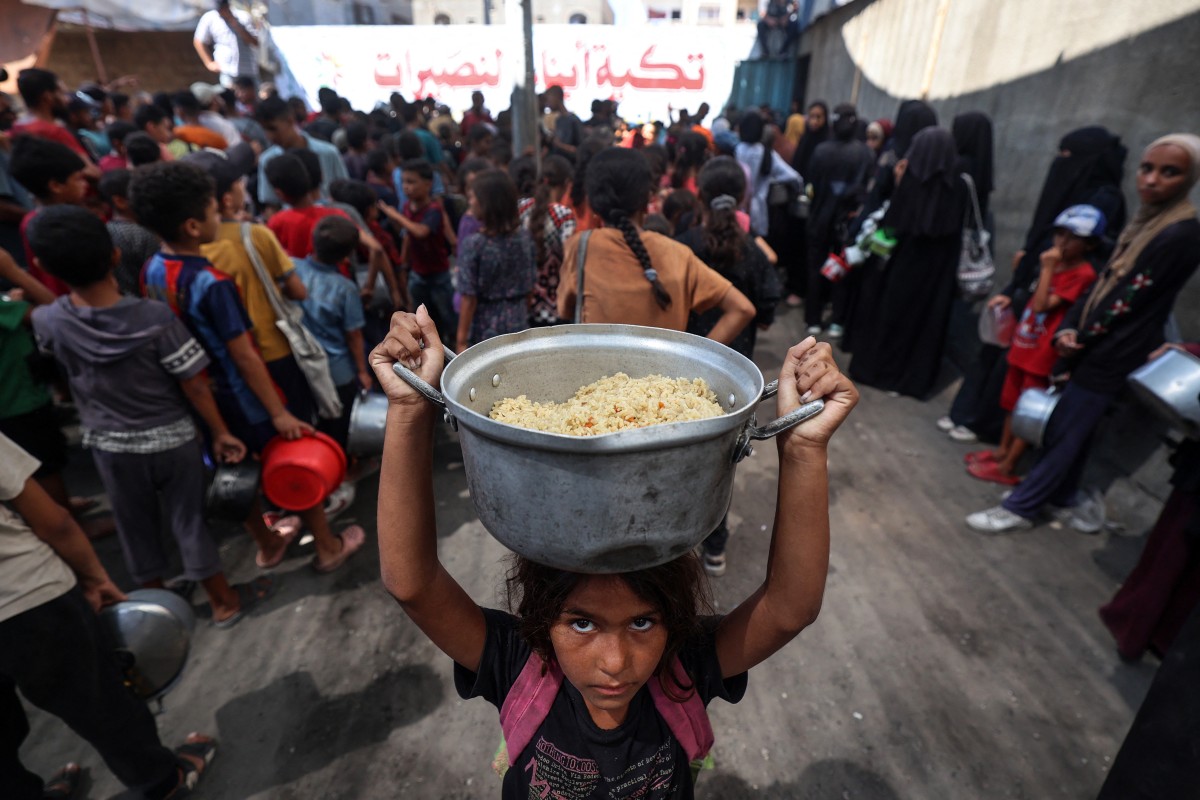
The ICJ’s three provisional measures orders oblige Israel to ensure its military does not commit genocidal acts in Gaza, to ensure “without delay, in full co-operation with the United Nations, the unhindered provision…of urgently needed basic services and humanitarian assistance”, and to ensure “unimpeded access” for UN commissions of inquiry and investigative bodies to the Gaza Strip.
Israel has rejected the accusations as baseless, asserting that its military actions were an exercise of its right to self-defence and were intended to dismantle threats and rescue hostages held by Hamas.
The case continues to draw international attention as one of the most significant genocide proceedings in the ICJ’s history, with far-reaching implications for international humanitarian law and the application of the Genocide Convention.
ALSO READ: Israel opens ‘temporary’ route for residents to flee Gaza City