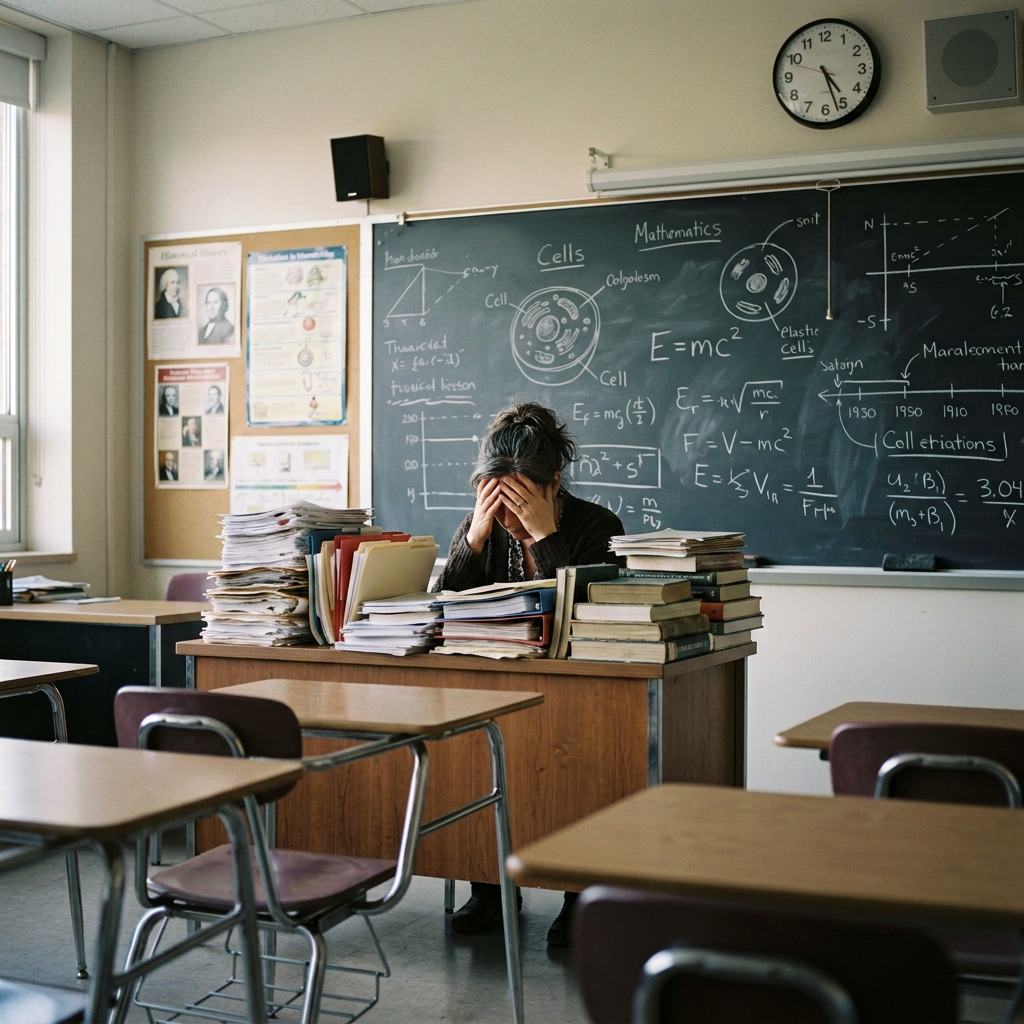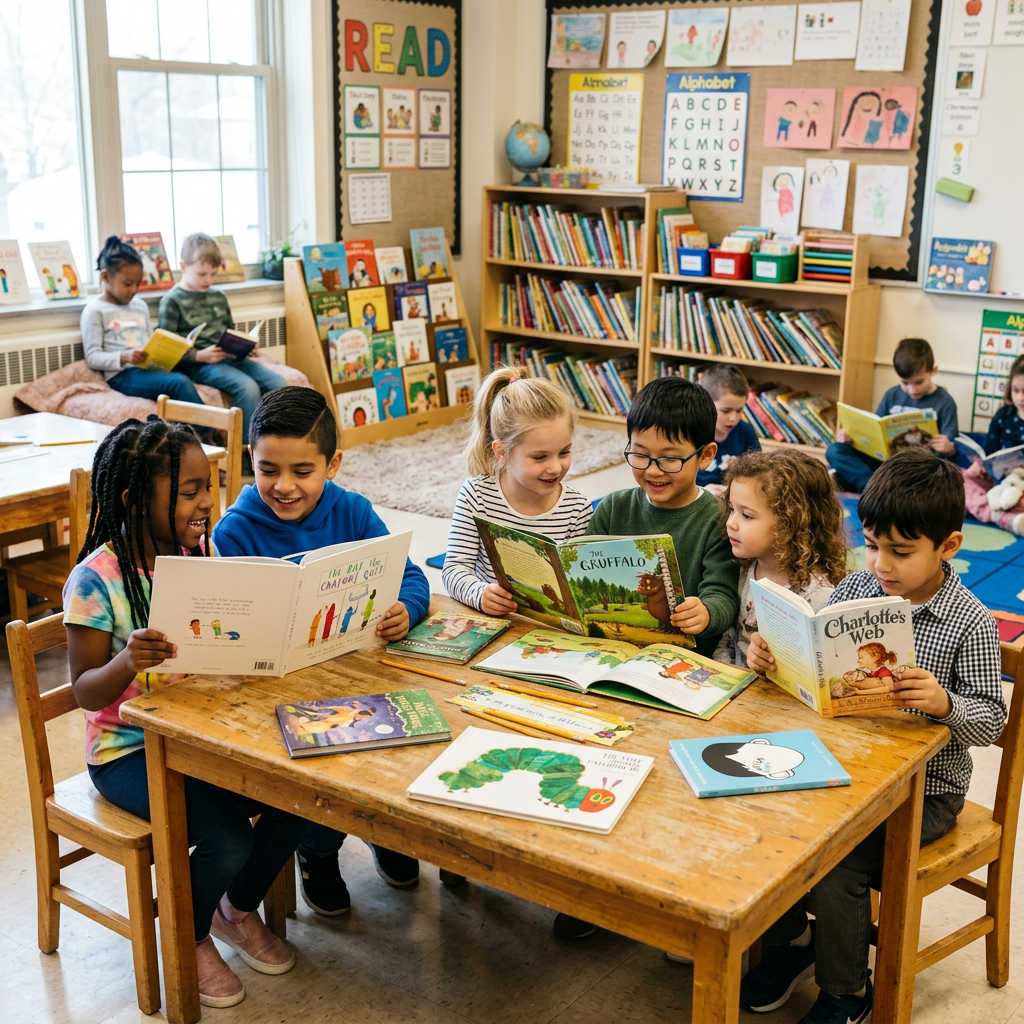
A senior academic has warned that South Africa’s education system, whilst still functioning, risks normalising mediocrity as the country’s 81% of Grade 4 learners cannot read for meaning.
Prof. Linda du Plessis, senior deputy vice-chancellor of the North-West University (NWU), said the greatest danger facing South African education may not be collapse, but rather the slow corrosion of standards and the quiet acceptance that “at least it still functions” is good enough.
“A child who cannot read for meaning by Grade 4 is not merely behind at school; that child faces a narrowed future,” Du Plessis said.
The academic’s comments follow the recent True South Africa evidence series report on education, which argues for “realism without despair” whilst acknowledging expanded access, improved matric outcomes and persistent inequality simultaneously.
Reading crisis threatens future generations
The 2023 Progress in International Reading Literacy Study found that 81% of Grade 4 learners could not read for meaning, with South Africa ranking last among 57 participating countries. Poor literacy undermines numeracy, which weakens the science, technology, engineering and mathematics pipeline needed for future economic participation.
Du Plessis said reading is not simply a subject but the gateway to mathematics, science, history, digital literacy, citizenship and dignity.
Mathematics pipeline leaking at schools
In 2025, 464 public schools did not offer Mathematics at all, whilst only a small proportion of the matric cohort achieved a strong Mathematics result. National Senior Certificate pass rates conceal a “leaking pipeline”, particularly when learners are moved away from gateway subjects such as Mathematics, Accounting and Physical Sciences.
“A country cannot build an innovation economy when hundreds of its schools do not even offer Mathematics,” Du Plessis said.
Teacher exodus adds to education strain
More than 32 000 teachers left the profession over five years, including 30 992 who resigned. These departures have been linked to factors such as retirement eligibility, career changes, migration and overwhelming workloads.
More than 50% of primary school learners are taught in classes of more than 40 children, with approximately 15% in classes exceeding 50.
Youth unemployment crisis linked to education quality
Statistics South Africa reported that in the first quarter of 2026, the national unemployment rate stood at 32.7%, whilst unemployment among young people aged 15 to 24 was 60.9%, and among those aged 25 to 34 it was 40.6%.
“Education cannot solve unemployment alone, but weak education almost guarantees that unemployment becomes hereditary,” Du Plessis said.
The academic said the often-repeated claim that learners “only need 30% to pass” is misleading because the National Senior Certificate is a tiered qualification with Higher Certificate, Diploma and Bachelor-level outcomes, each signalling a different level of achievement.
Bachelor-level passes have increased significantly as a proportion of all National Senior Certificate passes, according to the True South Africa report.
Du Plessis said the wake-up call is not only for government but for every parent, school governing body, university, business, community and citizen who understands that the future of a country is first written in the mind of a child.
“We must reject lazy pessimism, but we must also reject polite complacency,” she said.
ALSO READ: OPINION | Government must stop confusing paperwork with performance