
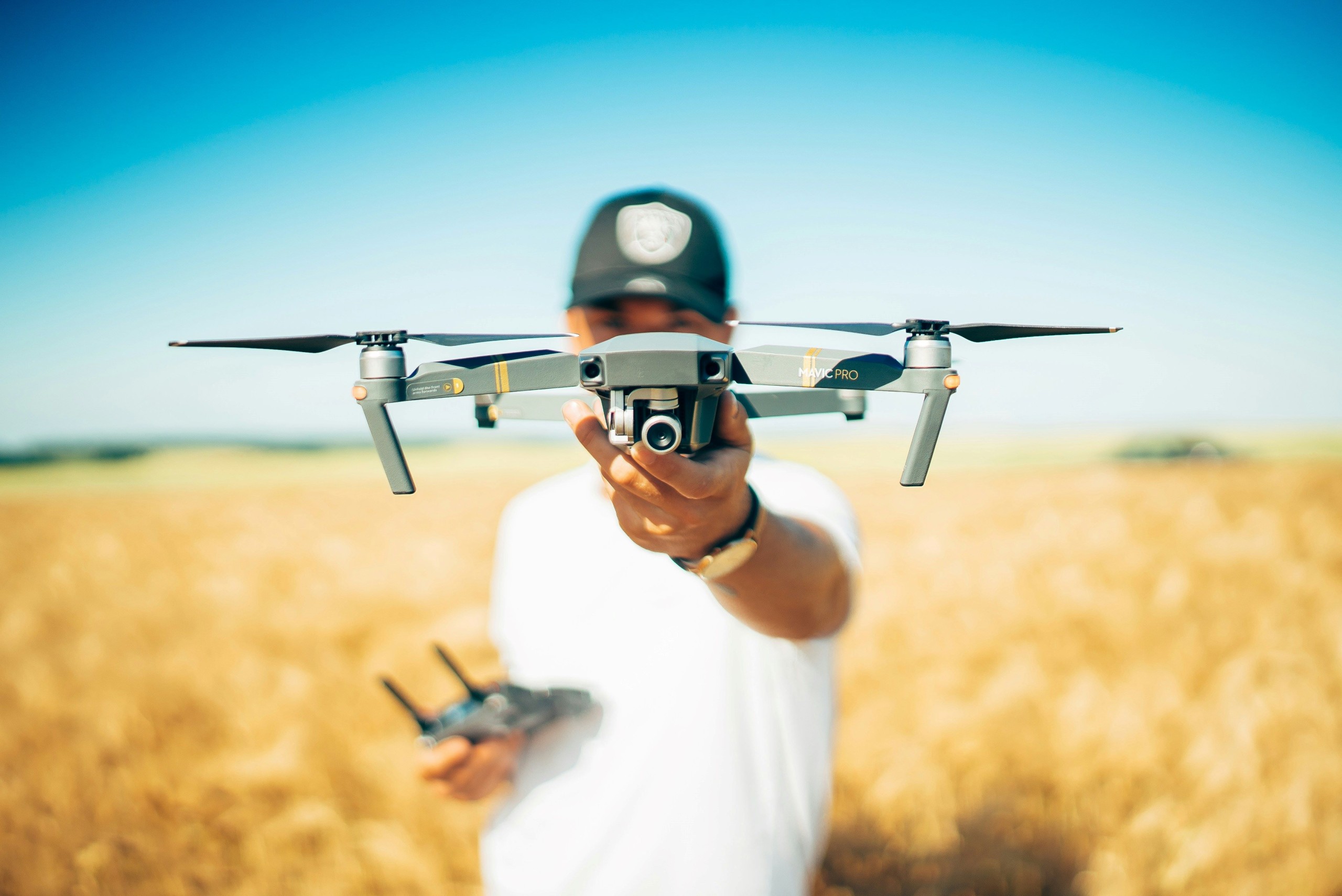
Drones are here to stay. These remotely piloted aircraft systems (RPAS) or unmanned aircraft (UA) are not only used by hobbyists, but also across industries, from agriculture, construction, mining, and logistics to film and photography, and can play a crucial role in obtaining information during disasters.
However, anyone can buy a drone without knowing the regulations. In some cases, the use of drones can endanger people and property.
The South African Civil Aviation Authority (Sacaa) strongly advises all drone operators to acquaint themselves with the class of airspace they are permitted to operate in, as well as the applicable Civil Aviation Regulations related to their type of equipment. There are strict and compulsory Sacaa rules and laws governing the flying of any RPAS, commonly known as drones.
Civil Aviation Regulations distinguish between two primary categories of drone operations: private and commercial.
Private drone operation refers to the personal, non-commercial use of drones for recreational flying or hobbyist activities. Private operators do not need to register their drones or obtain a Remote Pilot Licence. However, private operators must adhere to basic safety guidelines and regulations to ensure safe and responsible flying.

Commercial drone operation refers to the use of drones of varying specifications for economic gain, such as aerial photography, surveying, or providing inspection services in industries. Commercial operators are required to register their drones under Part 101 of the Civil Aviation Regulations and obtain a Remote Pilot Licence.
“Your fun cannot compromise public safety or aviation laws,” Sacaa stated. No matter how small the drone, these general rules must be followed:
General drone flying rules
- You may not fly a drone within 10 kilometres of an airport.
- You may not fly closer than 50 metres from any person or group of persons, on sports fields, during road races, at schools or any social events, near people, buildings or roads without prior approval. Nor can you fly drones adjacent to or above a nuclear power plant, prison, police station, crime scene, court of law, or national key points.
- You may not fly a drone higher than 120 metres.
- Drones should not be flown over populated areas, national parks or sensitive infrastructure.
- Drones may not be flown at night.
- Always fly your drone within your line of sight and below the highest obstacle in your vicinity.
- You cannot use a public road for the take-off or landing of a drone.
- Stay clear of obstacles such as buildings, trees and power lines.
- You cannot use a drone in adverse weather conditions where your view of the drone is obstructed, since visual contact must be maintained with the RPA by the operator – unless in approved beyond visual line of sight or night operations.
- Drones need to give way to all manned aircraft and should avoid passing over, under or in front of manned aircraft, unless it passes well clear and takes into account the effect of aircraft wake turbulence.
- Drones cannot be used to transport cargo or make deliveries.
- Drones cannot tow another aircraft, perform aerial or aerobatic displays, or be flown in formation or swarm.
- Do not, through act or omission, endanger the safety of any aircraft or person therein, or any person or property, through the negligent operation of any drone, remotely piloted aircraft, or model aircraft.
SOURCES:
South African Civil Aviation Authority – SACAA
ALSO READ: Western Cape father and son duo shatter their own drone world speed record – again!




You must be logged in to post a comment.