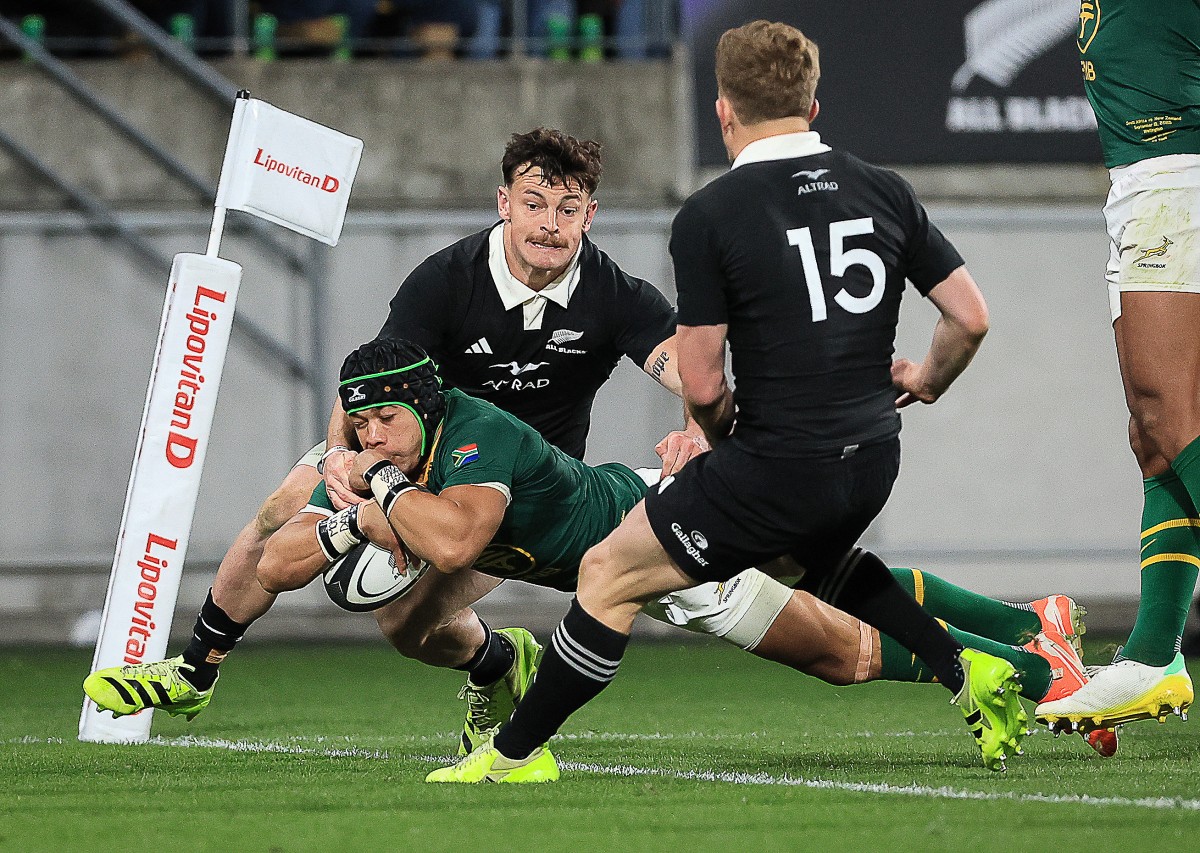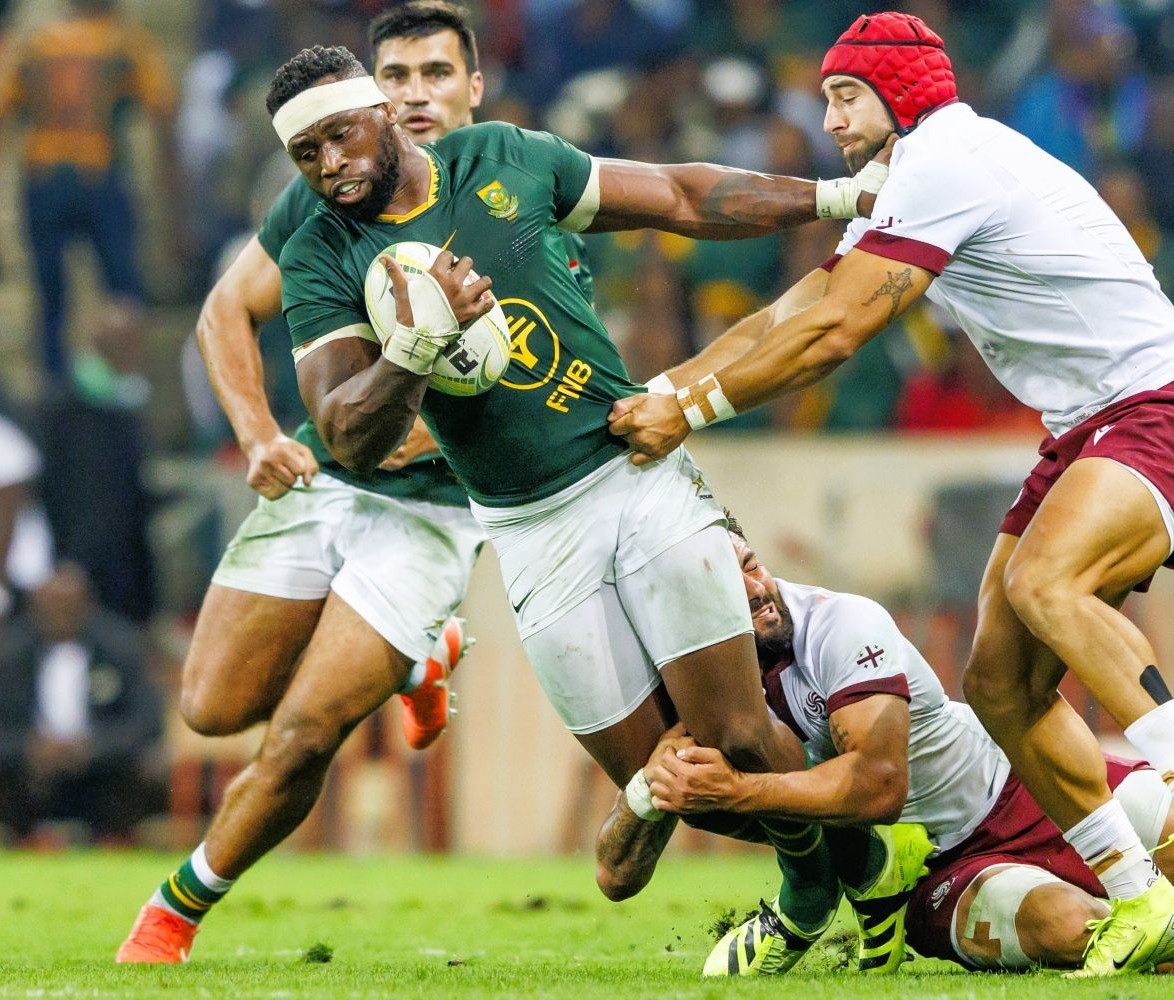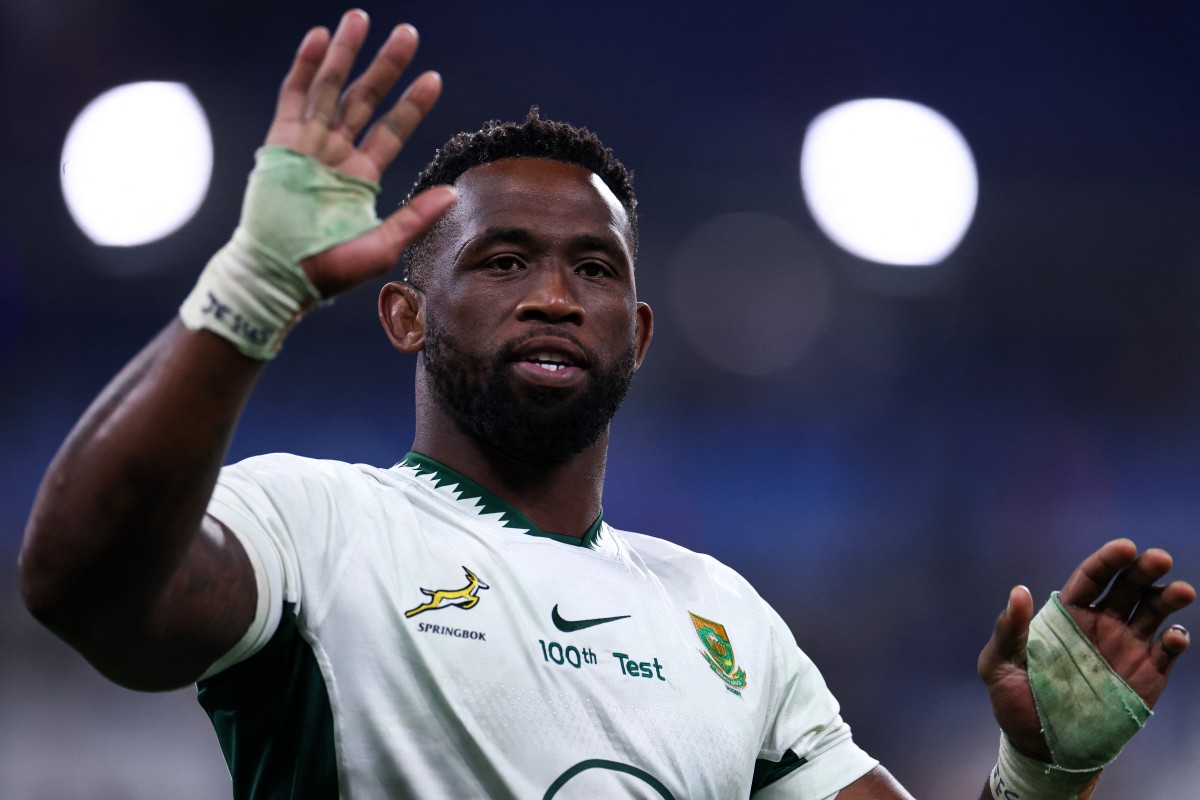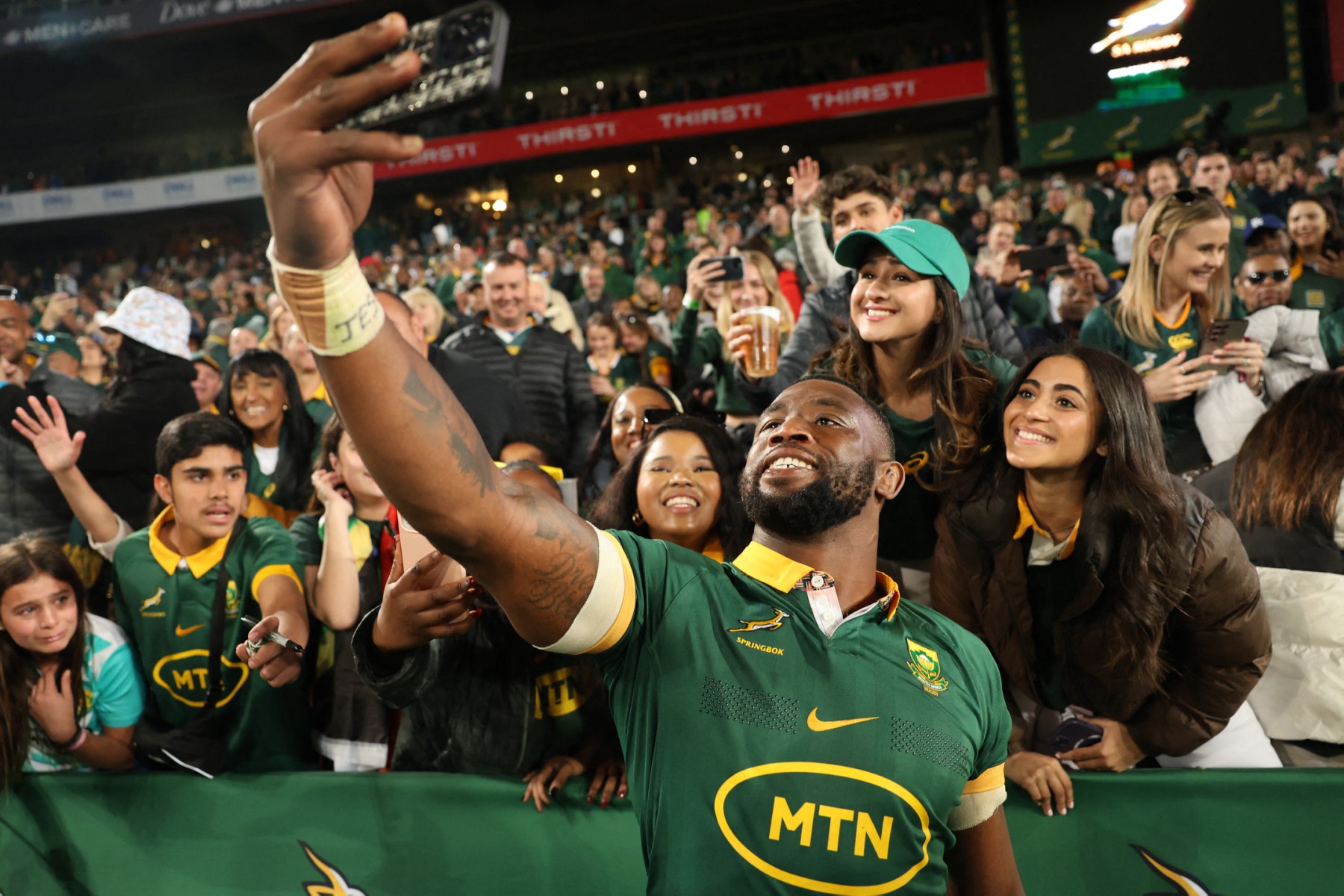
The debate is settled, rugby has officially crowned itself as South Africa’s favourite spectator sport, and the numbers tell a story of transformation, unity, and a nation utterly obsessed with the oval ball.
Fresh research from BrandMapp has confirmed what many have suspected for years, rugby has eclipsed all other codes to become the most-watched sport among South Africa’s consumer class. The study reveals that 44% of adults in households earning R10,000 or more per month actively watch rugby, narrowly edging out soccer at 42% and leaving cricket trailing at 29%.
For a nation where sport is practically a religion, this shift represents more than just changing viewing habits, it signals a fundamental transformation in how South Africans connect with their sporting identity.
The numbers don’t lie
“Over the years, we have watched rugby become the most popular spectator sport for South Africa’s consumer class,” says Brandon de Kock, BrandMapp’s director of storytelling, in an interview with The Media Online.
The research, which surveyed South Africa’s consumer class of approximately 6 million people, paints a clear picture. Rugby has successfully broadened its appeal beyond traditional boundaries whilst maintaining its passionate core following.
The power of Siya
A significant catalyst for rugby’s ascendancy? The “Siya Kolisi effect.”
De Kock credits the Springbok captain’s influence with fundamentally reshaping the sport’s demographic landscape.
“First, there’s what I call the ‘Siya Kolisi-effect’, where we have seen teams, from the national to the youth level, become genuinely democratised, bringing South Africans from all walks of life together around rugby,” said De Kock.
Kolisi’s journey from the townships to lifting the Webb Ellis Cup in 2019, and again in 2023, has become more than just a sporting fairytale. It’s transformed rugby from a game once associated with exclusivity into a genuinely inclusive national passion that transcends race, class, and background.
Breaking the gender barrier
Perhaps even more remarkable than rugby’s overall popularity is its evolution in gender representation amongst viewers.
“Rugby viewership used to be particularly male dominated, but over the years it has actually become the most gender agnostic of sports that South Africans love to watch,” De Kock highlights.
This shift represents a seismic change in South African sports culture. Where rugby viewing was once dominated by male audiences, the sport has successfully attracted a more balanced viewership, making it a genuinely shared experience across gender lines.
More than just a game
For millions of South Africans, rugby has transcended sport to become a cultural phenomenon that binds communities together.
Big matches transform into communal events, watched in packed stadiums, bustling pubs, neighbourhood taverns, and living rooms across the country. When the Springboks take the field, the nation collectively holds its breath.
De Kock emphasises this communal aspect: “So the answer to the question about ‘Who cares about the All Blacks rugby tour?’ is simple: many millions of South Africans!”
The economic ripple effects are substantial. When major rugby events occur, particularly when the Springboks triumph, the positive economic impact reverberates throughout communities.
“There’s a massive interest in live sports, and it is very much a social occasion. So when large events happen, there’s a broad positive economic impact. Even more so when the home team wins!” notes De Kock.
The viewing revolution
South African sports fans are evolving into hybrid consumers, and rugby viewership is no exception.
Whilst traditional television broadcasting remains dominant, younger viewers, particularly Gen Z, are increasingly turning to streaming platforms, YouTube, TikTok, and social media for highlights, analysis, and discussion.
This shift is fundamentally changing how people experience sport. The match itself remains central, but the conversation now extends across multiple platforms, creating a more interactive and prolonged engagement with the game.
For broadcasters and sponsors, this presents both challenges and opportunities. Reaching audiences now requires a multi-platform strategy that caters to both traditional TV viewers and digitally native fans who consume content on-demand.
Looking ahead
With the Springboks’ participation in the 2026 Nations Championship and the highly anticipated All Blacks tour scheduled for later this year, rugby’s position atop South Africa’s sporting hierarchy appears secure.
The sport has successfully navigated a remarkable transformation, from a game once criticised for its exclusivity to becoming South Africa’s most inclusive and watched spectator sport.
KickOff.com has all the Springbok fiztures for 2026.