

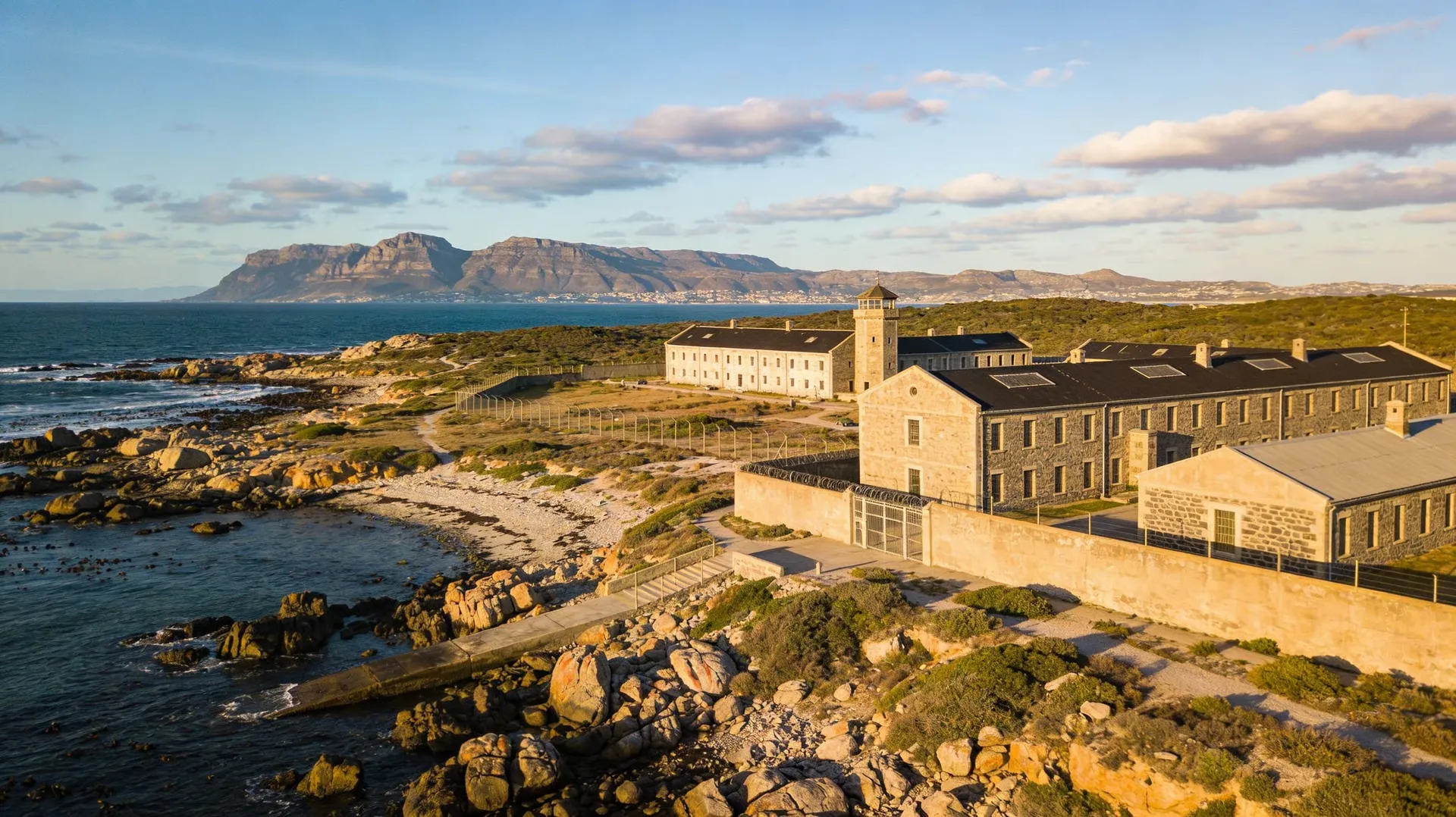
The Robben Island Museum remains a major concern for auditors, with the entity receiving a qualified audit opinion and facing serious governance problems, the Auditor-General told a parliamentary committee this week.
The Portfolio Committee on Education, Sciences and the Creative Industries heard that the museum’s audit committee hardly ever sits and that management has failed to address material misstatements in financial records.
However, the committee’s oversight work was cut short when Minister of Sport, Arts and Culture Gayton McKenzie failed to attend the scheduled meeting. Deputy Minister Peace Mabe and Director-General also did not show up, forcing the committee to adjourn without interrogating the Auditor-General’s findings.
Years of audit troubles
Audit Executive Uviwe Plaatjie Ruxwana told the committee that while 41% of entities in the department’s portfolio had the potential to achieve clean audits in the next period, Robben Island Museum still required urgent attention.
“There are instances where some of the entities relied on the audit to identify material misstatements and for corrections to be made,” Ruxwana said. She added that about 69% of entities were able to submit financial statements and performance reports free from material misstatements.
Material findings on performance reports mainly related to the National Heritage Council, the Performing Arts Council of the Free State, Boxing SA, the National Film and Video Foundation and Robben Island Museum.
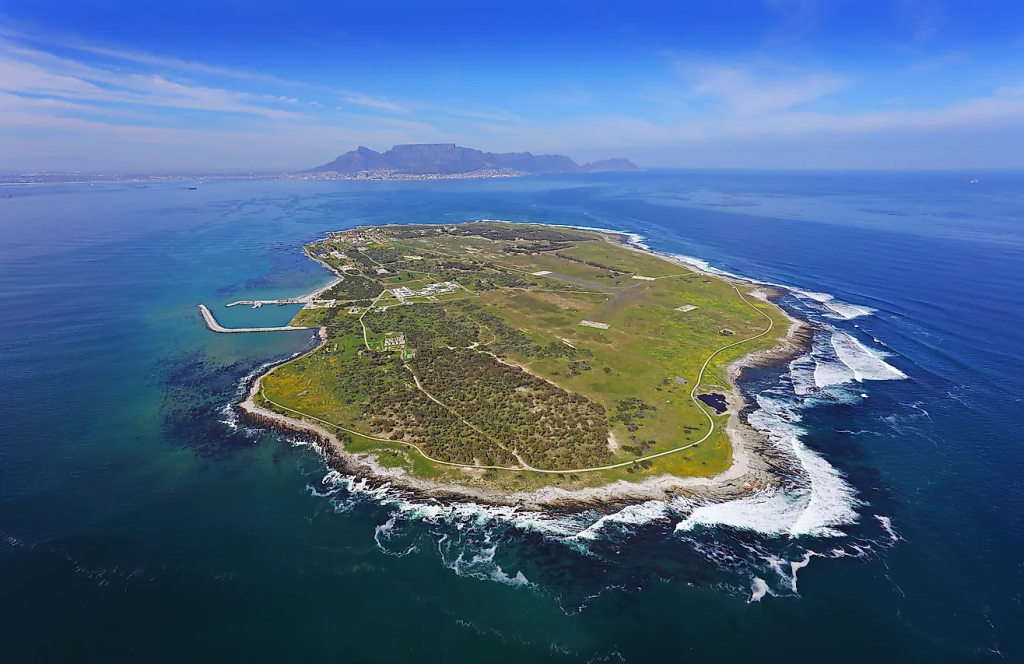
The museum has struggled with audit compliance for years. In 2019/20, it received its first qualified audit opinion in a decade after failing to disclose R90.4 million in irregular expenditure related to the purchase of the ferry MV Krotoa. The 2020/21 financial year saw the museum report a deficit of R54.5 million as the Covid-19 pandemic halted operations.
While the museum achieved a clean audit in 2023/24 and reported a surplus of R32.1 million, it has since fallen back into trouble. For 2024/25, the Auditor-General issued an adverse audit opinion, citing inability to obtain evidence for key revenue streams, inaccurate cash records, misclassification of government grants, and omission of irregular expenditure.
Infrastructure delays and compliance failures
Ruxwana also highlighted prolonged delays in implementing infrastructure projects across the department’s entities, exposing them to cost escalations and inflation-related increases.
“The delays can also lead to infrastructure budgets being reprioritised to fund operational expenditure, thereby reducing the department’s ability to achieve its planned infrastructure objectives,” she explained.
Material findings on procurement and contract management related to non-compliance with supply chain management prescripts. This improved slightly, decreasing from ten entities in the prior year to seven entities in the current year.
The Auditor-General recommended that the department strengthens monitoring and collaboration with the Department of Public Works and Infrastructure.
Committee chair’s frustration
Committee chairperson Makhi Feni said he was unhappy about the minister’s absence, particularly because the committee’s programme was available for the department to consult three months before the meeting was scheduled.
“We cannot proceed if there is no political or administrative leadership. This on its own shows some serious lack of taking accountability seriously. We can’t proceed as some of the issues highlighted in the presentation are political issues,” Feni said.
Members unanimously resolved to adjourn the meeting without interrogating the Auditor-General’s briefing report due to the absence of departmental leadership to answer questions.



You must be logged in to post a comment.