

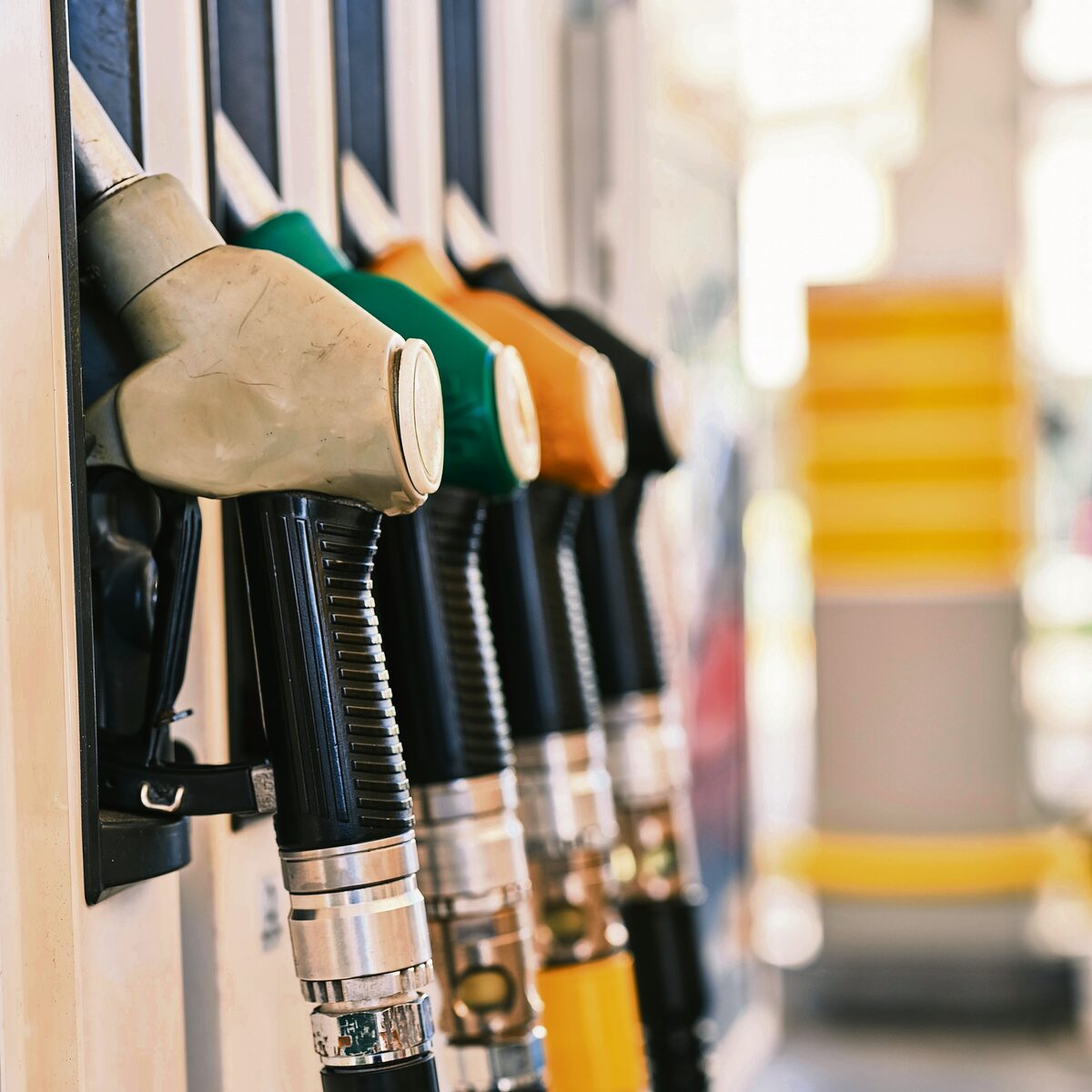
South Africa’s rising fuel prices, particularly the sustained increase in diesel, are placing growing strain on independent automotive workshops, many of which are small businesses already operating in a challenging economic environment.
The latest adjustment, confirmed by the Department of Mineral and Petroleum Resources (DMPR), follows an erratum correcting a calculation error in the diesel fuel levy, which initially overstated the increase.
Corrected fuel price adjustments (effective Wednesday, 6 May)
- Petrol 93 & 95 (ULP & LRP): increase of R3.27 per litre
- Diesel (0.05% sulphur): increase of R5.27 per litre
- Diesel (0.005% sulphur): increase of R5.27 per litre
- Illuminating paraffin (wholesale): increase of R4.22 per litre
- Illuminating paraffin (SMNRP): increase of R5.63 per litre
- LPG (Gauteng): increase of R5.07 per kg (with Western Cape at R5.78 per kg)
The DMPR said the earlier published diesel increase of R6.19 per litre was incorrect due to a fuel levy input error.
“The error is highly regrettable, and the department apologises for any inconvenience caused,” the department said, adding that it remains committed to “timely, accurate and transparent information.”
Workshops feel the pinch as diesel costs bite
The impact of the diesel-driven increase is being strongly felt in the automotive aftermarket sector, particularly among independent workshops already under financial strain.
Dewald Ranft, Chairperson of the Motor Industry Workshop Association (MIWA), said rising fuel costs are directly affecting workshop activity nationwide.
“Independent workshops are often the first to feel the impact when consumers are under financial pressure,” Ranft said. “As fuel prices rise, motorists prioritise essential spending, and vehicle maintenance is often delayed.”
He warned that this trend is already visible in declining bookings, especially for non-urgent repairs and preventative maintenance.
“We are seeing fewer vehicles coming through workshop doors. While this may seem like a short-term saving for consumers, delayed maintenance can lead to more serious and costly issues down the line,” he said.
Ranft added that many small workshops operate on tight margins, and prolonged declines in customer activity could threaten business sustainability and employment.
“These are predominantly small and medium-sized enterprises that play a critical role in local economies. If the current trend continues, we could see increased business closures, which inevitably leads to job losses.”
He also highlighted a knock-on effect on parts replacement and insurance-related repairs, with motorists increasingly unable to afford excess payments.
“This has a ripple effect across the value chain, workshops, suppliers and road safety are all impacted when repairs are postponed.”
Wider economic pressure
The South African Petroleum Retailers Association, through the Retail Motor Industry Organisation (RMI), also warned that the increases will ripple across transport, logistics and food pricing.
South African Petroleum Retailers Association (SAPRA) chair Henry van der Merwe said a diesel increase of over R5 per litre is “not just a shock at the pump” but a driver of broader inflationary pressure.
“Transport costs, food prices and the overall cost of living will all be affected,” he said, adding that global oil price volatility and geopolitical tensions remain key drivers behind the surge.
MIWA warned that expectations of further fuel adjustments in coming months could deepen strain on both consumers and small businesses.
“Any form of government intervention would provide much-needed relief,” Ranft said. “Without some stabilisation in costs, pressure on independent workshops will continue to mount.”
Despite the challenges, he said the sector remains resilient but warned that prolonged cost escalation is not sustainable for small operators.

